
The Story
Why it exists.
The beginning
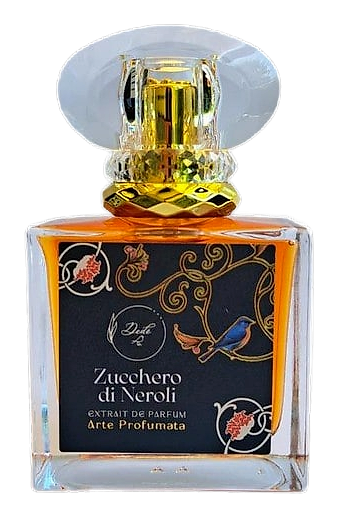
Zucchero di Neroli was born from a happy trip to Sicily. Denise Meles found herself in the citrus-growing places around the island, surrounded by the most generous orange blossoms she had ever encountered. The hospitality of the people, the art of Sicilian pastry, all of it lodged itself somewhere between memory and desire. She wanted to bottle it. Not a literal translation, but something that carried the same warmth: the sunlight, the sweetness, the feeling of being somewhere that smells exactly as beautiful as it looks. The name says it plainly, Zucchero di Neroli, sugar of neroli, the Italian way of naming something you can't stop thinking about.
What makes this composition interesting is the way it pairs Italian citrus traditions with something more modern. Orange blossom and lemon open bright and sparkling, almost astringent in their generosity. Then neroli arrives, not just any neroli, but the kind that reads almost green, slightly bitter, holding the memory of the flower it came from. The cotton candy in the heart is the curveball: sweet, yes, but working alongside the neroli rather than overwhelming it. The result is a gourmand-floral that doesn't lose its composure. Chamomile in the base is a quiet sophistication, herbal, clean, slightly honeyed, that keeps the drydown from becoming merely sweet.
The evolution
The opening is exactly what the name promises: sparkling, sunny, the smell of standing in an avenue of orange trees. Orange blossom and lemon arrive together, the lemon sharpening the blossom's sweetness. This phase lasts a solid thirty minutes before the cotton candy begins to expand, not replacing the citrus, but softening it, making it rounder. The neroli threads through the spun sugar, keeping things from getting cloying. By the second hour, the heart has settled into something warm and joyful. The drydown is where the chamomile becomes the surprise: a clean, herbal quality that cuts through the sweetness one last time before everything resolves into benzoin's honeyed warmth and a musk that stays close and intimate. Lasts four to six hours depending on skin, with moderate sillage that announces you to the room you're entering, not the one you left.
Cultural impact
Zucchero di Neroli occupies a comfortable space in the growing overlap between artistic perfumery and approachable wearability. Independent Italian houses like this one have found an audience that's curious without being exclusive, people who want something considered, something with a point of view, but who also want to smell good on a Tuesday.
The House
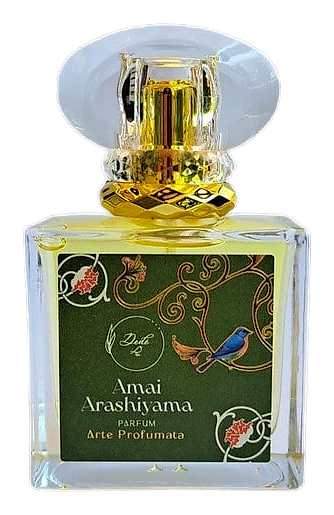
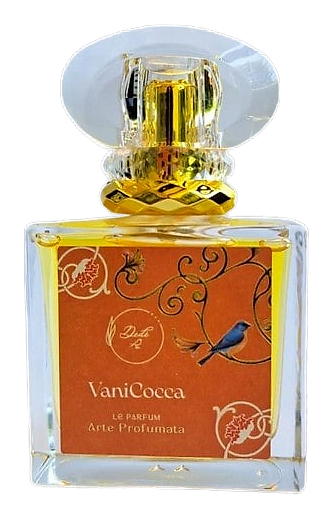
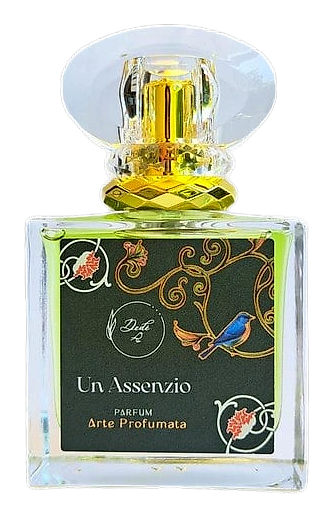
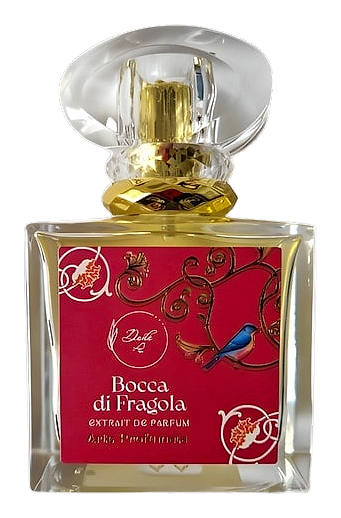
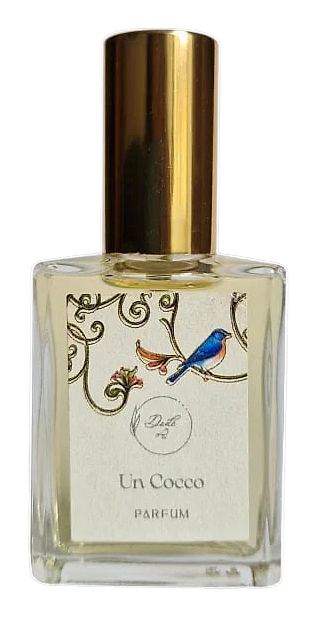
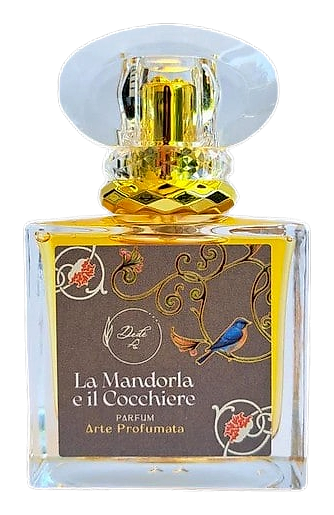
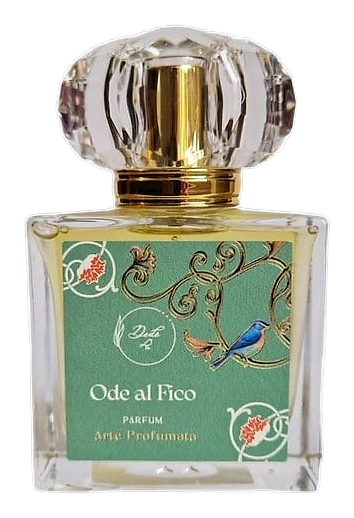
Dedé Arte ProfumataDedé Arte Profumata is an independent Italian perfume house that translates visual art into olfactory experiences. Founded by perfumer‑entrepreneur Denise Meles, the label releases a handful of niche scents each year, each one built around a single concept such as a fig tree, a Japanese garden or a sweet vanilla reverie. The brand positions itself as a laboratory of scent where a small studio, a handful of collaborators and a clear artistic brief converge to create fragrances that feel both intimate and cinematic. Its catalogue, which includes Ode al Fico (2025) and Amai Arashiyama (2022), has attracted collectors who value the personal touch of a formula written by a single nose.
The Creator
Denise MelesDenise favors a methodical layering technique, building each perfume from a clear base upward. She often starts with a mineral or woody foundation, then adds a heart of aromatic herbs or florals, and finishes with a bright, fleeting top.