    Brand Profile

    Dedé Arte Profumata is an independent Italian perfume house that translates visual art into olfactory experiences. Founded by perfumer‑entre…More

    Italy·Site

    4.3

    Rating

    16
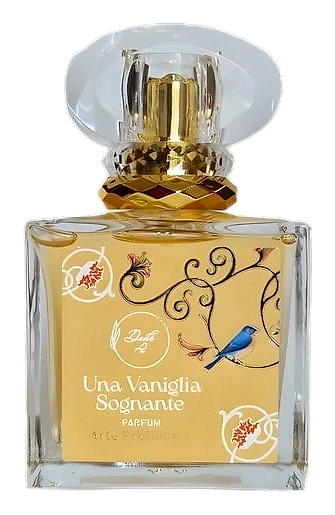
    Una Vaniglia Sognante by Dedé Arte Profumata
    New
    4.3

    Una Vaniglia Sognante

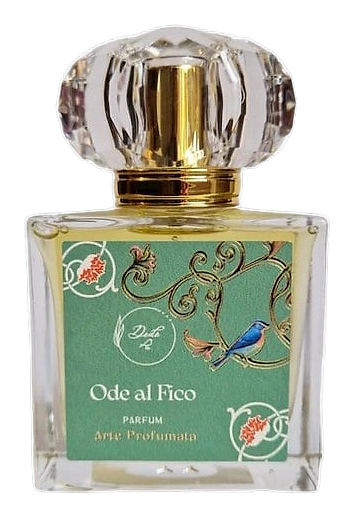
    Ode al Fico by Dedé Arte Profumata
    NewBest Seller
    5.0

    Ode al Fico

    Amai Arashiyama by Dedé Arte Profumata
    Best Seller
    4.5

    Amai Arashiyama

    Un Assenzio by Dedé Arte Profumata
    Best Seller
    4.4

    Un Assenzio

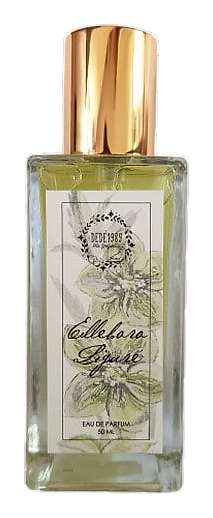
    Elleboro Ligure by Dedé Arte Profumata
    4.2

    Elleboro Ligure

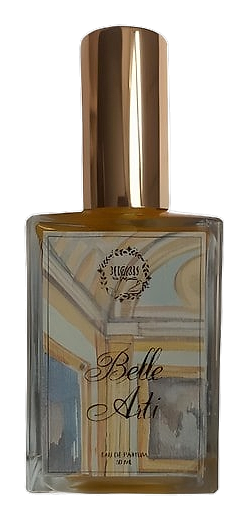
    Belle Arti by Dedé Arte Profumata
    4.2

    Belle Arti

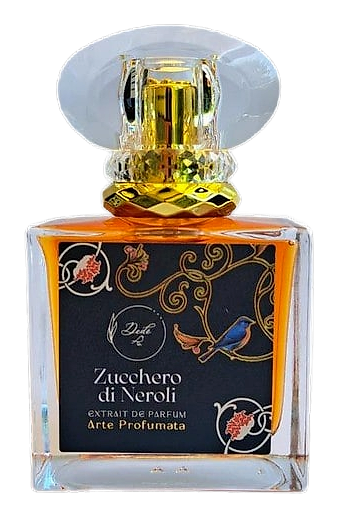
    Zucchero di Neroli by Dedé Arte Profumata
    4.2

    Zucchero di Neroli

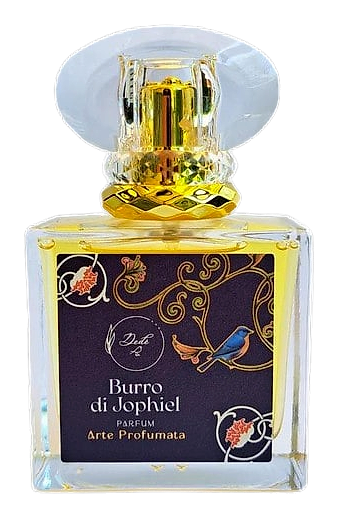
    Burro di Jophiel by Dedé Arte Profumata
    4.1

    Burro di Jophiel

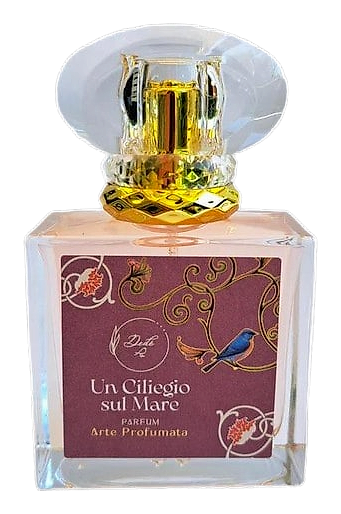
    Un Ciliegio sul Mare by Dedé Arte Profumata
    4.0

    Un Ciliegio sul Mare

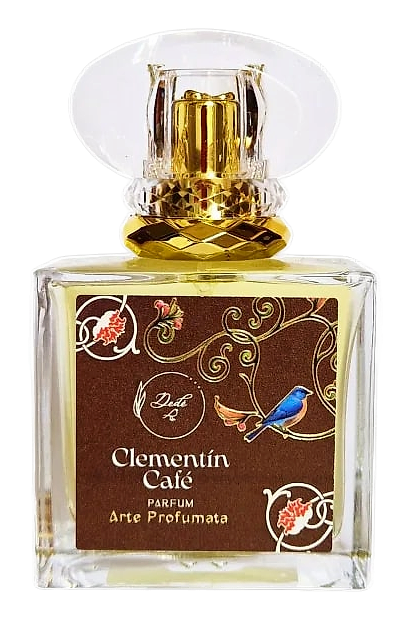
    Clementín Café by Dedé Arte Profumata
    4.0

    Clementín Café

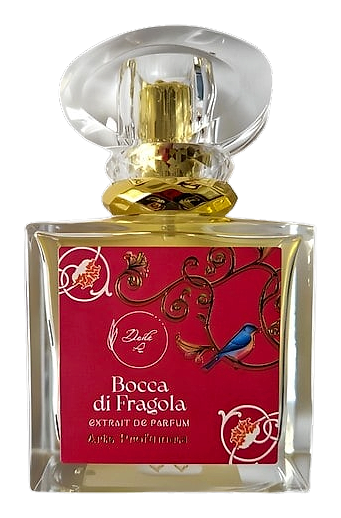
    Bocca di Fragola by Dedé Arte Profumata
    New
    3.8

    Bocca di Fragola

    Gelsomino d'Estate by Dedé Arte Profumata
    3.8

    Gelsomino d'Estate

    1 of 2

    The Heritage

    The Story of Dedé Arte Profumata

    Dedé Arte Profumata is an independent Italian perfume house that translates visual art into olfactory experiences. Founded by perfumer‑entrepreneur Denise Meles, the label releases a handful of niche scents each year, each one built around a single concept such as a fig tree, a Japanese garden or a sweet vanilla reverie. The brand positions itself as a laboratory of scent where a small studio, a handful of collaborators and a clear artistic brief converge to create fragrances that feel both intimate and cinematic. Its catalogue, which includes Ode al Fico (2025) and Amai Arashiyama (2022), has attracted collectors who value the personal touch of a formula written by a single nose.

    Heritage

    The story of Dedé Arte Profumata begins in a modest studio in Milan, where Denise Meles, a former cosmetics chemist, began drafting perfume formulas on paper in 2020. According to Fragrantica, Meles writes each composition herself before handing the manuscript to a partner laboratory for technical development. The first public launch arrived in 2022 with Un Assenzio, a bitter‑herbal scent that announced the brand’s willingness to explore unconventional ingredients. Later that year the line expanded with Zucchero di Neroli and Burro di Jophiel, both of which reinforced a pattern of pairing familiar Italian culinary references with sophisticated aromatic structures. 2023 saw the introduction of Elleboro Ligure and Belle Arti, two fragrances that referenced regional flora and the visual arts, respectively, and signaled a growing confidence in narrative‑driven perfumery. In 2024 the brand released Clementín Café, a coffee‑infused composition that earned praise in niche fragrance blogs for its balance of roasted notes and bright citrus. The most recent additions, Ode al Fico and Una Vaniglia Sognante (both 2025), demonstrate a continued focus on seasonal storytelling and a willingness to revisit earlier motifs with refined techniques. Throughout its brief history, Dedé Arte Profumata has remained a micro‑brand, producing limited batches that sell out quickly and encouraging a collector’s mindset among its audience. The house has not pursued mainstream retail channels, preferring direct‑to‑consumer sales through its website and select boutique partners in Europe.

    Craftsmanship

    Every Dedé Arte Profumata fragrance begins as a handwritten score in Meles’s studio, a practice that the brand describes as a “paper‑first” approach. Once a formula is finalized on paper, it is sent to a partner laboratory in the Lombardy region, where experienced technicians translate the notes into precise percentages of essential oils, absolutes and aroma chemicals. The house favors natural extracts whenever possible, selecting ingredients such as Sicilian blood orange, Tuscan fig leaf absolute and Japanese green tea from growers that meet strict quality standards. For synthetics, the brand opts for high‑purity isolates that complement the natural base without overwhelming it. Production runs are limited to a few thousand units per scent, a decision that allows for close monitoring of batch consistency and reduces the risk of over‑stock. Quality control includes a two‑stage stability test: a short‑term assessment at 40 °C for three weeks, followed by a long‑term evaluation at room temperature for twelve months. Bottles are filled by hand in a climate‑controlled environment, and each batch receives a signed certificate of authenticity from Meles herself. The final product is packaged in recyclable glass and a minimalist paper sleeve that bears a hand‑drawn illustration related to the fragrance’s theme, reinforcing the brand’s commitment to artisanal detail.

    Design Language

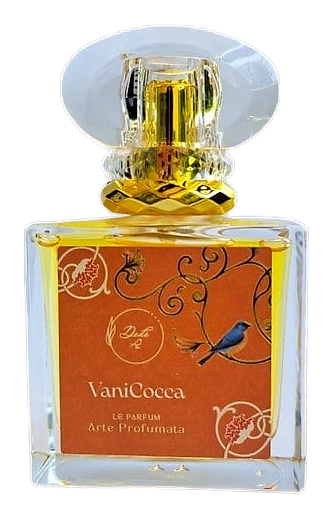
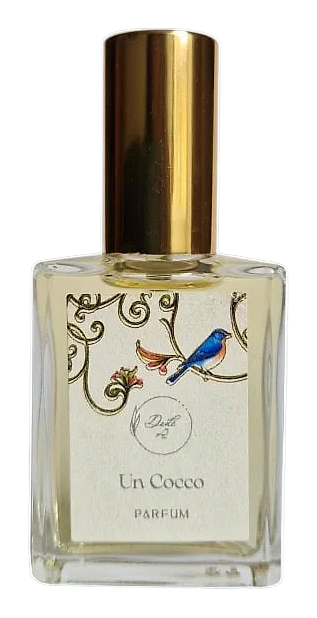
    The visual language of Dedé Arte Profumata mirrors its olfactory focus on singular narratives. Bottles are clear, slender cylinders with a subtle curvature that catches the light, echoing the fluidity of a brushstroke. Caps are matte black or brushed metal, chosen to contrast with the transparent glass and to convey a sense of understated elegance. Labels feature hand‑drawn sketches—often a fig leaf, a coffee cup, or a stylized wave—rendered in charcoal or ink, accompanied by a minimalist sans‑serif typeface that lists the fragrance name and year. The overall palette leans toward muted earth tones, allowing the scent’s story to take center stage rather than flashy branding. Marketing imagery frequently shows the perfume placed beside the very object that inspired it: a ripe fig on a marble slab, a steaming cup of espresso, or a misty Japanese garden. This visual strategy reinforces the brand’s narrative‑driven philosophy and positions each fragrance as a collectible piece of art rather than a mass‑produced commodity.

    Philosophy

    Dedé Arte Profumata treats perfume as a visual medium, a belief that stems from Meles’s background in graphic design and her fascination with the way colour, texture and composition translate into scent. The brand’s creative brief for each launch starts with a concrete image—a fig tree in the Tuscan sun, the mist of an Arashiyama bamboo grove, a vanilla bean left to dream—then distills that image into a single aromatic narrative. This approach rejects the notion of multi‑layered “flankers” in favor of a focused, almost monochrome expression of a mood. Sustainability appears in the philosophy as well; the house sources natural ingredients from small farms that practice organic cultivation, and it limits waste by producing only the quantities needed for each release. Transparency is another pillar: ingredient lists are published on the website, and Meles occasionally shares sketches of the original formula sheets, inviting collectors to see the perfume as both art and science. The brand also values the relationship between scent and memory, aiming to create olfactory triggers that transport the wearer to a specific place or feeling without relying on overt marketing slogans.

    Key Milestones

    2020

    Denise Meles establishes a private studio in Milan and begins drafting perfume formulas on paper.

    2022

    First public launch with Un Assenzio, followed by Zucchero di Neroli and Burro di Jophiel.

    2023

    Release of Elleboro Ligure and Belle Arti, expanding the brand’s narrative focus on regional flora and visual art.

    2024

    Clementín Café debuts, earning praise in niche fragrance blogs for its balanced coffee note.

    2025

    Two new scents, Ode al Fico and Una Vaniglia Sognante, arrive, showcasing refined interpretations of earlier motifs.

    At a Glance

    Brand profile snapshot

    Origin

    Italy

    Collection

    1

    Fragrances released

    Avg Rating

    4.3

    Community sentiment

    Release Rhythm

    2026
    1
    2025
    4
    2024
    1
    2023
    4
    2022
    6
    dedearteprofumata.com

    Did You Know?

    Interesting Facts

    Distinctive details and defining moments that shape the house personality.

    01

    Each formula is initially handwritten on paper before any laboratory work begins.

    02

    The brand limits production to a few thousand bottles per release, creating natural scarcity.

    03

    Bottle caps are made from brushed metal sourced from a family‑owned foundry in northern Italy.

    04

    Meles personally signs a certificate of authenticity that accompanies every bottle.

    The Artisans

    The Perfumers