The Story
Why it exists.
The beginning
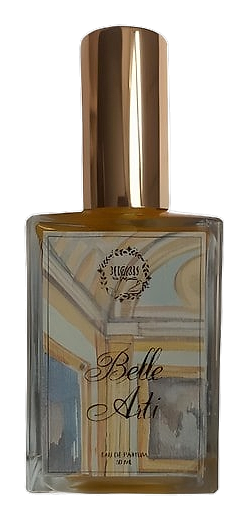
Belle Arti arrived in 2023 from Denise Meles's studio, and the name points squarely at the fine arts. The fragrance itself behaves like a gallery walk through a citrus grove opening into a rose garden, then into a vaulted hall of old wood and oakmoss. From the first breath, mandarin varieties lead the way: yellow mandarin, green mandarin, blood mandarin, and bergamot layered together to give the opening a depth and warmth that no single citrus could carry on its own. The blood mandarin especially contributes a slightly red, almost jam-like sweetness that sets up the rose heart beautifully. This is a chypre structure committed to fully, with a floral heart at its center and an earthy base of sandalwood, oakmoss, patchouli, and labdanum anchoring the whole composition.
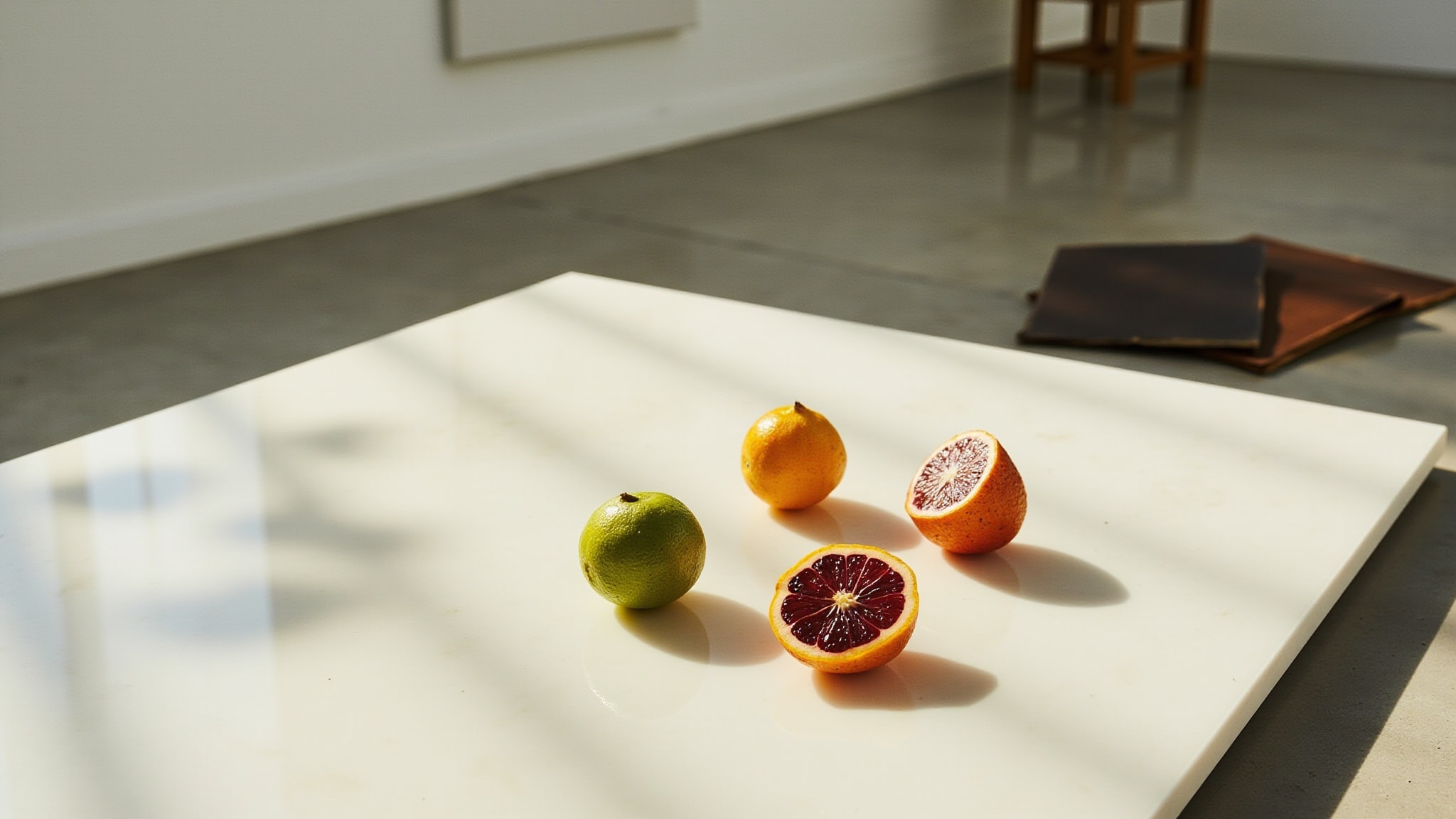
What makes Belle Arti distinctive is the mandarin opening. Meles stacked four citrus notes, yellow mandarin, green mandarin, blood mandarin, and bergamot, which gives the opening a density and warmth that immediately sets it apart. The blood mandarin in particular contributes that slightly red, almost jam-like sweetness that sets up the rose heart beautifully. The green mandarin keeps things crisp while the bergamot lends its familiar bitter brightness, and the yellow mandarin rounds everything out with a sun-warmed softness.
The evolution
The opening minutes are dominated by citrus, and these mandarins have real weight. The blood mandarin especially lends a warm, rounded quality, almost like biting into the fruit with the pip still slightly tart underneath. There's a physicality to the citrus here, a juiciness that doesn't dissipate into thin sharpness. As the citrus recedes, the florals arrive in a soft wave, rose and violet leading, with lily of the valley and linden blossom adding a green-honeyed sweetness that lifts the composition rather than weighing it down. Jasmine threads through quietly, never shouting, lending a soapy creaminess at the edges. Once the composition settles into its base, sandalwood and oakmoss take over, with patchouli adding earth and labdanum a faint resinous warmth that glows rather than glowers.
Cultural impact
Belle Arti offers something that's become harder to find: a chypre built on real oakmoss, with four mandarin varieties in the opening and a rose-violet heart grounded by sandalwood, patchouli, and labdanum. Its use of vero muschio di quercia signals a commitment to traditional Italian perfumery at a time when many houses pull back from such materials. The mandarin layering gives the opening a depth you don't often encounter, and the way the composition evolves through its three phases rewards attention. The fragrance rewards wearing rather than admiring from a distance, revealing new facets as the hours pass.