The Story
Why it exists.
The beginning
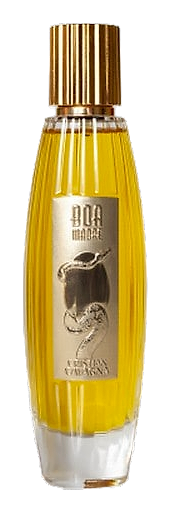
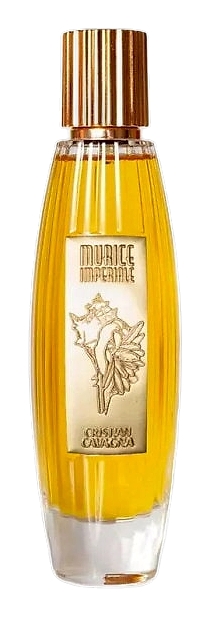
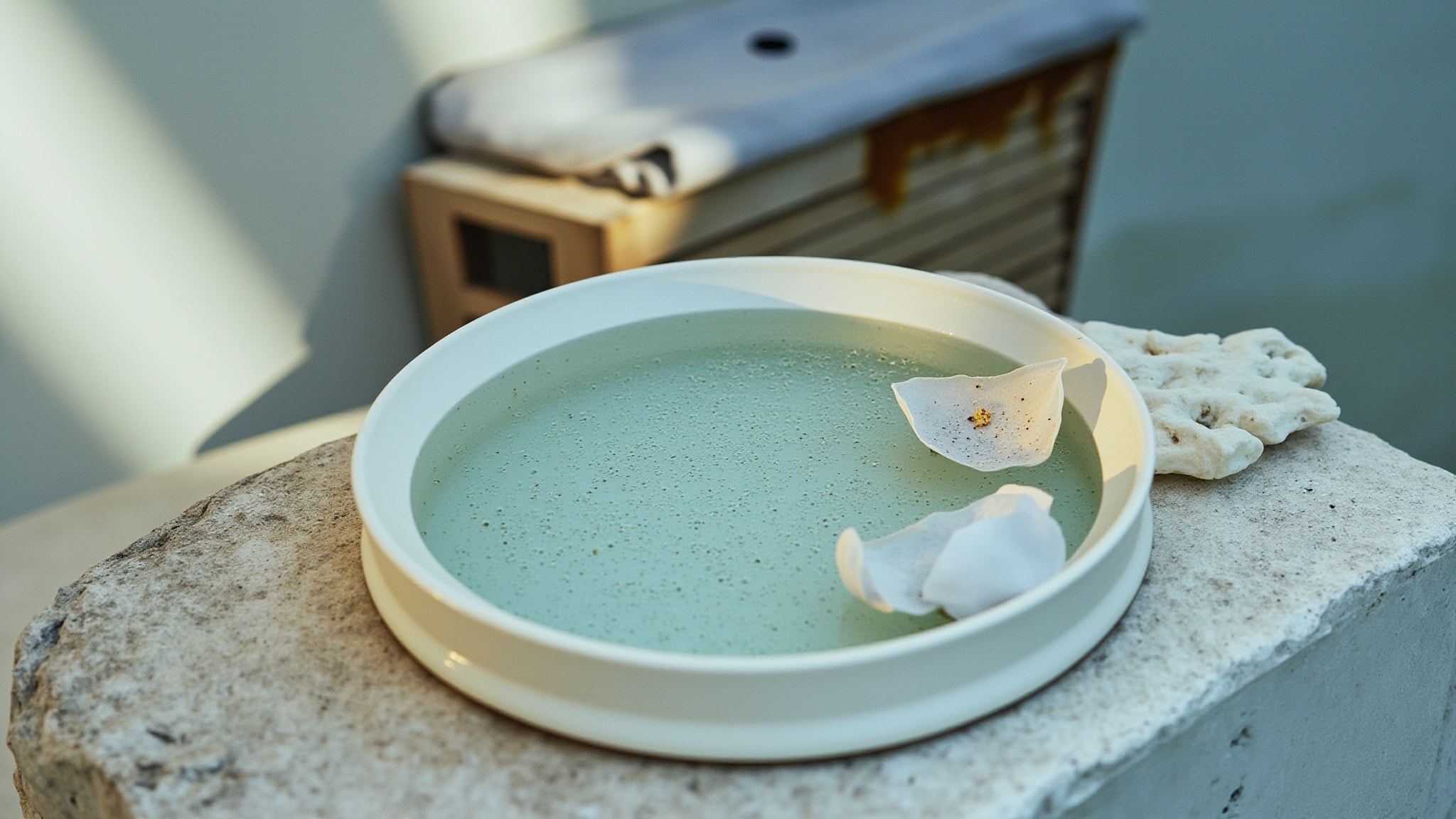
Murice Imperiale began as a question: what does a tuberose sound like when it's submerged? Arturetto Landi, the perfumer behind several Cristian Cavagna compositions, translated that idea into a 2022 composition that treats the flower less like a bloom and more like a reef specimen. The framing sets up a composition built on the tension between something cultivated and something oceanic, and the final product earns that premise from the first spray. The tuberose arrives already wet, already heavy, already salt-touched, as though it had been dragged up from somewhere deeper than a garden. There's no bright opening to distract you, no citrus lift or green-leaf snap to signal a traditional floral.
The wetness here doesn't arrive through synthetic marine shortcuts. Landi built it from actual petrichor, that earthy, mineral tang of rain hitting dry ground, and grounded the base in red algae absolute, a material with genuine oceanic character. The tuberose appears twice in the pyramid, once in the heart as a living flower and once in the drydown as an absolute, which lets the bloom deepen rather than simply fade.
The evolution
The opening is green and sharp: banana leaf and rhubarb cut through with saffron's dry threads, almost vegetal for the first ten minutes. Then the shift begins. Petrichor arrives like weather changing, and the tuberose opens not as a heady white floral but as something cooler, almost waxy, pressed against wet stone. Coral lends a mineral sweetness that reads more like salt than sugar. By the third hour, the composition settles into its truest self. The algae absolute surfaces, bringing a cool, iodine-laced depth that makes the tuberose feel grown rather than applied. Musk rounds the base into skin-warm territory, but the marine note never fully retreats. It clings to fabric through the next morning, still faintly tidal, still faintly floral, still refusing to choose between land and sea.
Cultural impact
Murice Imperiale has earned attention for its refusal to behave like a typical aquatic floral, and that refusal is exactly what gives it its grip. It's the kind of composition that gets noticed for its structure rather than its sweetness, and the structure here is genuinely unusual: a tuberose that never tips into the indolic, a marine accord that never reads as synthetic, a base that arrives warm without ever resorting to vanilla or tonka.