The Story
Why it exists.
The beginning
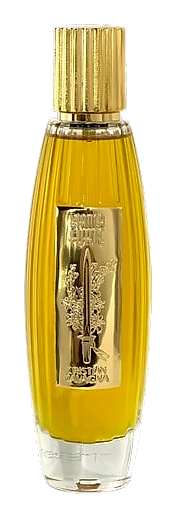
The bee is a creature of perfect structure and instinct, building something that looks effortless from raw instinct and discipline. That critical distance shows in every composition: nothing accidental, nothing indulgent without reason. An analytical mind has turned to one of perfumery's most lush materials. The banana leaf and ginger aren't there to complicate things. They're there to give the flower something to push against. The result is a fragrance that opens with a striking green intensity, the banana leaf lending an almost vegetable freshness that cuts through the air. Ginger adds a spicy warmth that prevents the opening from feeling too austere, creating a bridge between the green and the floral heart.
The note structure is unusual, with banana leaf anchoring the opening with a green, almost vegetable intensity that makes the bergamot and ginger feel intentional rather than decorative. What follows is a heart of beeswax and hyacinth, both waxy, both with a honeyed undertone, that creates an almost biological warmth around the tuberose. It's not the sanitized, shampoo-advert tuberose. It's the one that knows it came from a bulb in the ground. The guaiac wood in the base keeps the sweetness honest: smoky, slightly medicinal, with the kind of depth that doesn't disappear after an hour.
The evolution
The opening hits with green immediacy, banana leaf and ginger cutting through like something freshly torn. Bergamot arrives within seconds, bright and citrusy, tempering the green. The first twenty minutes feel like standing in a garden on a hot afternoon. Very realistic. Then the hand-off begins. The green retreats. Tuberose moves in, not gracefully. Heavily. The way a large white flower would if it were given weight and dimension. Underneath, beeswax adds a waxy, almost animalic warmth that keeps the floral from becoming precious. Hyacinth adds a slight powdery lift, but it's subtle. The drydown is where this earns its hours. Benzoin and vanilla create a warm amber cushion. Guaiac wood introduces smoke and structure. The beeswax doesn't disappear, it deepens, settling into the composition like a secret kept for hours.
Cultural impact
Regina Vergine's beeswax-tuberose combination offers something distinctive. The waxy warmth underneath the tuberose creates an unexpected tension with the lush floral notes. The banana leaf makes it work, providing a green anchor that prevents the composition from becoming merely sweet. For a wearer who evaluates before embracing, that's the appeal. The fragrance rewards attention, revealing new dimensions with each wearing.
The House
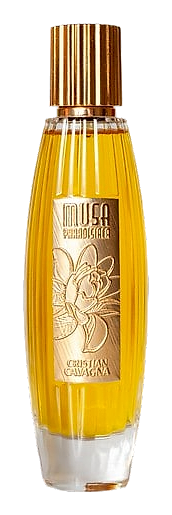
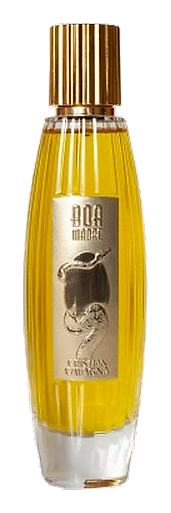
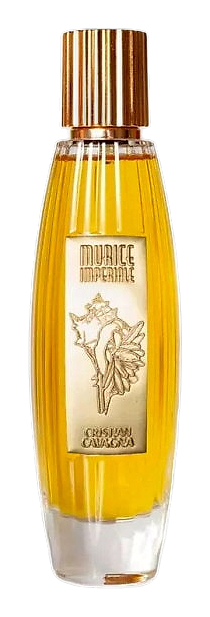
Cristian CavagnaCristian Cavagna is an Italian niche fragrance house built on the sensibility of someone who spent years judging fragrance before creating it. His background as a fragrance critic, educator, and consultant informs every composition, giving the collection a distinct point of view rooted in analytical appreciation rather than purely instinctive creation. The brand is recognized for its bold pairings of delicate florals with assertive, unconventional notes, producing fragrances that challenge expectations while remaining wearable. The house operates from Italy, drawing on the founder's extensive network within the Italian fragrance community and his ongoing affiliation with the Perfume Academy. Since launching its first editions in 2021, the brand has released a focused collection spanning tuberose-dominant compositions, tropical interpretations, and richly layered olfactory statements, each designed as a distinct creative exercise rather than a commercial exercise.
The Creator
Arturetto LandiLandi favors a clean, linear construction that highlights a single theme before introducing supporting layers. He often begins with a bright top—Italian bergamot, Sicilian lemon, or Calabrian orange—then anchors the heart with aromatic herbs or soft florals.