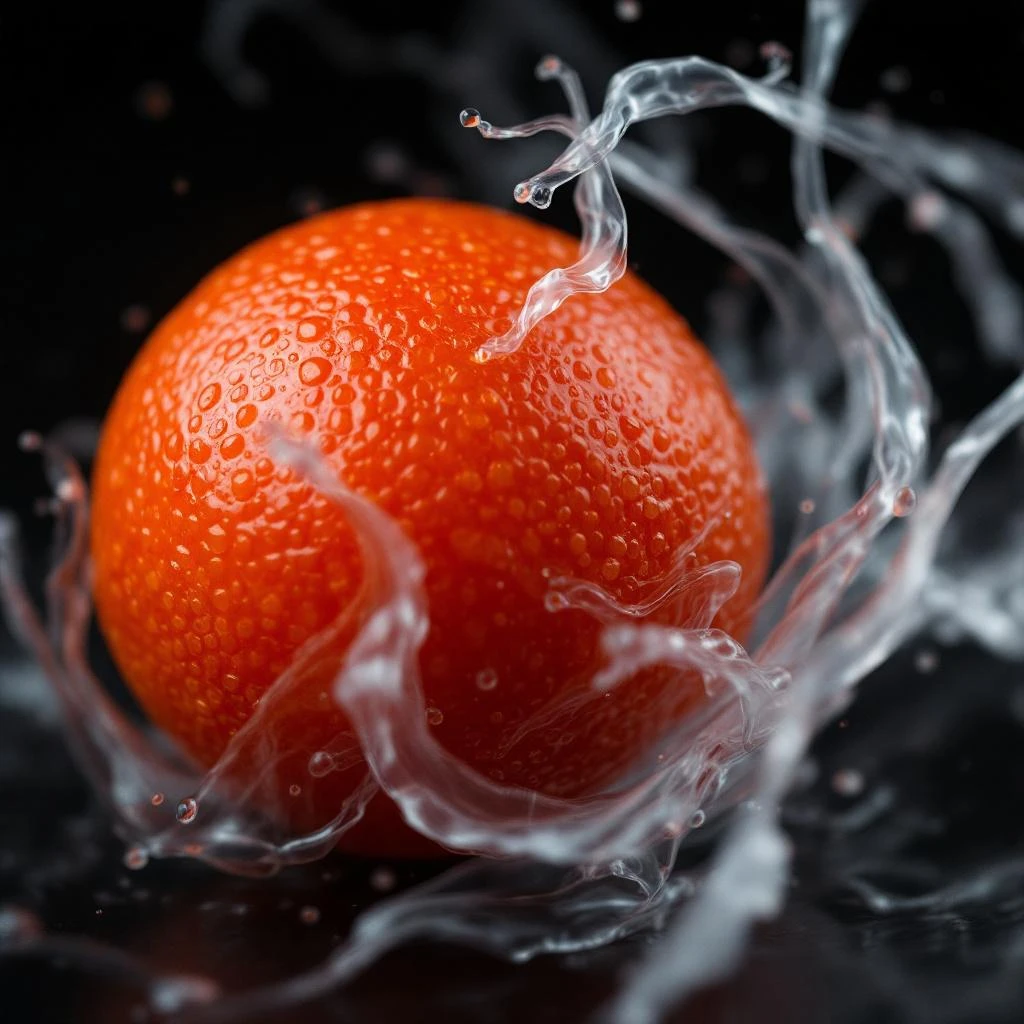
Blood Mandarin
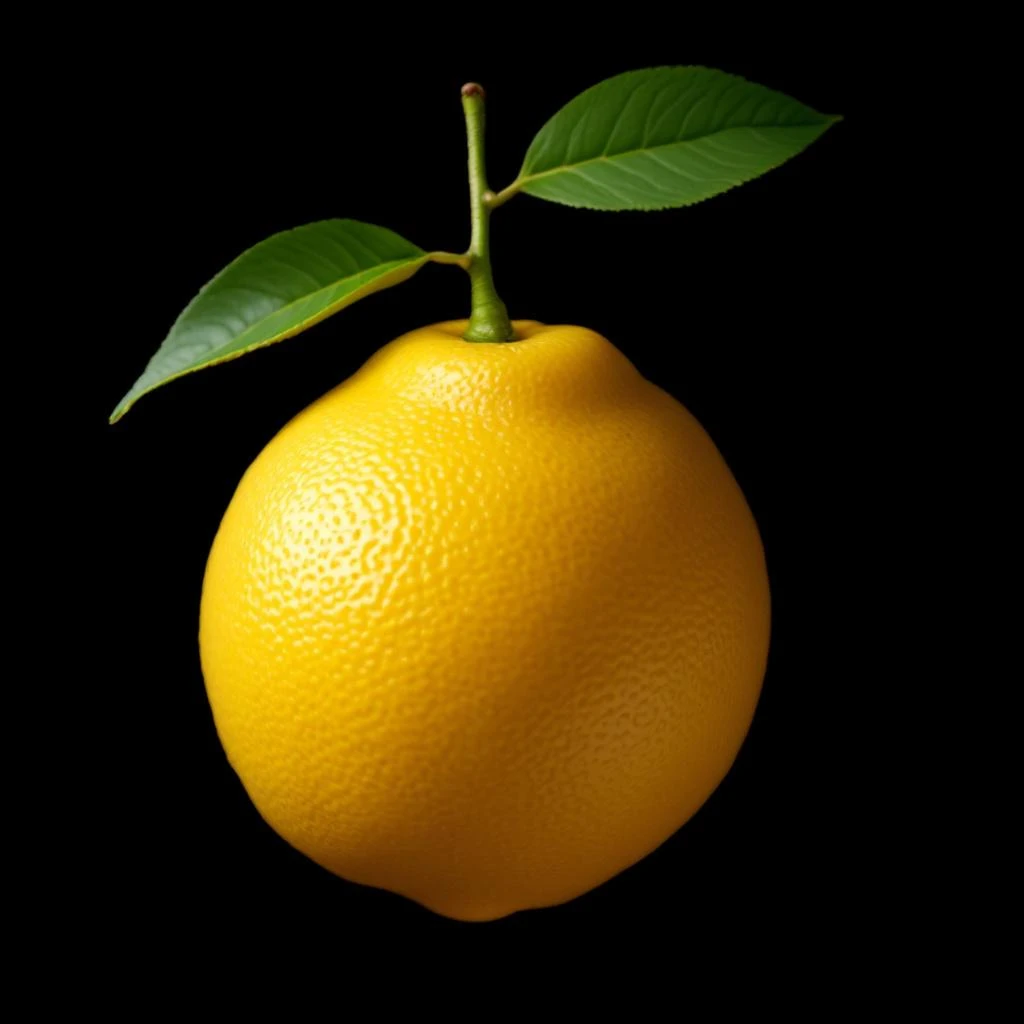
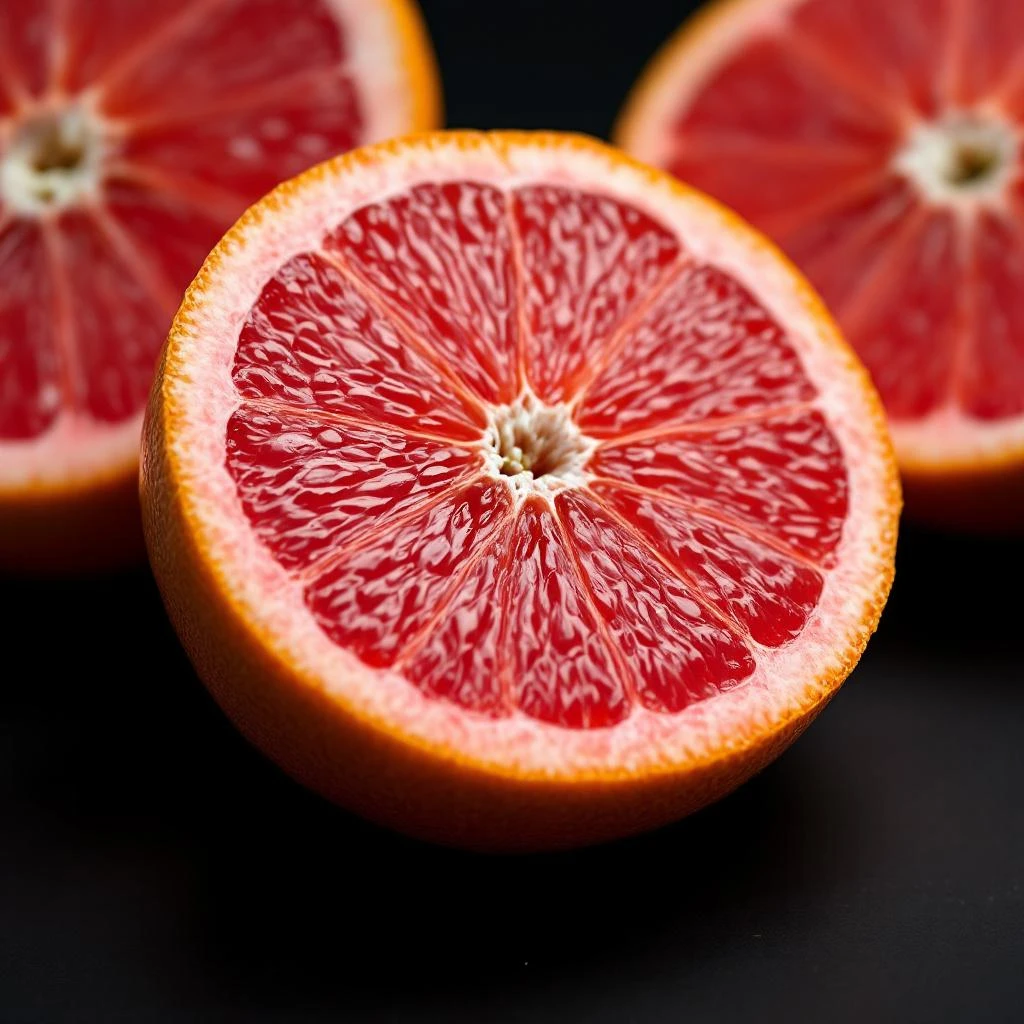
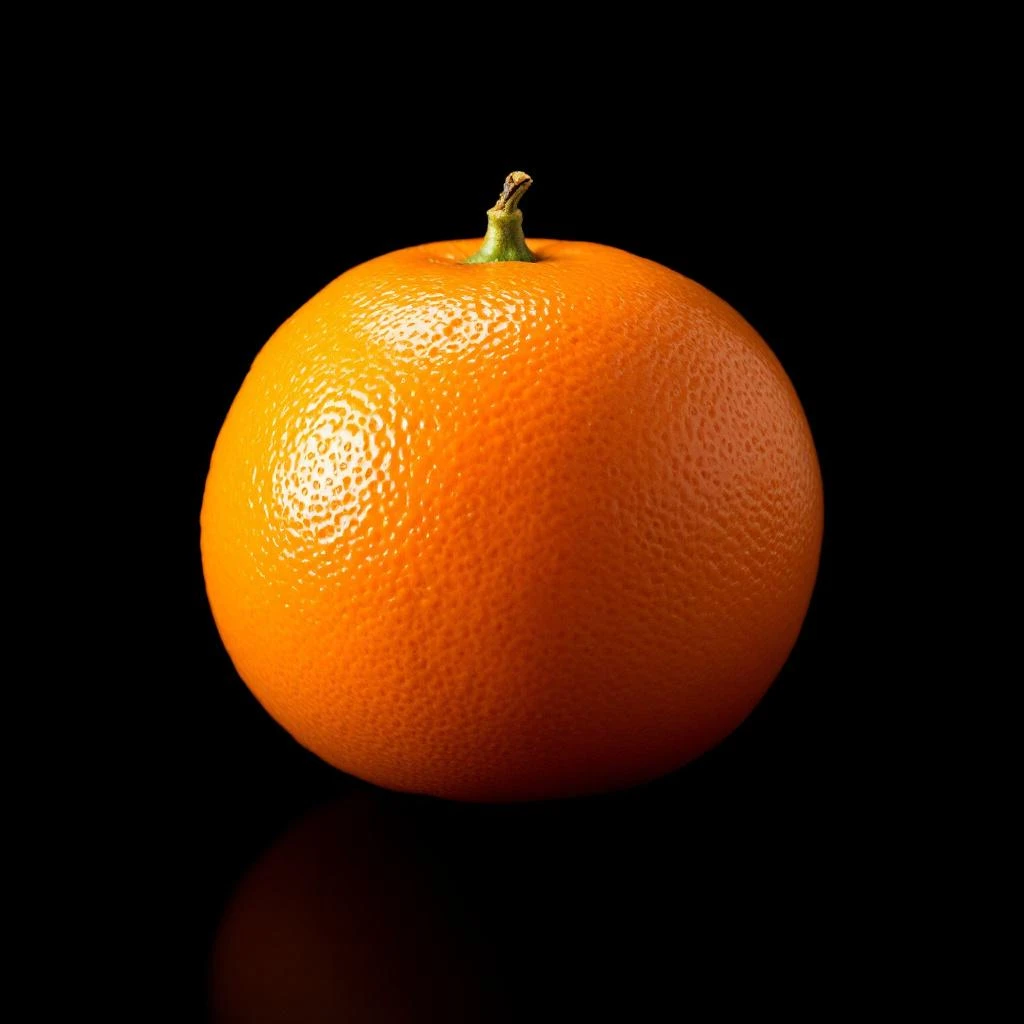
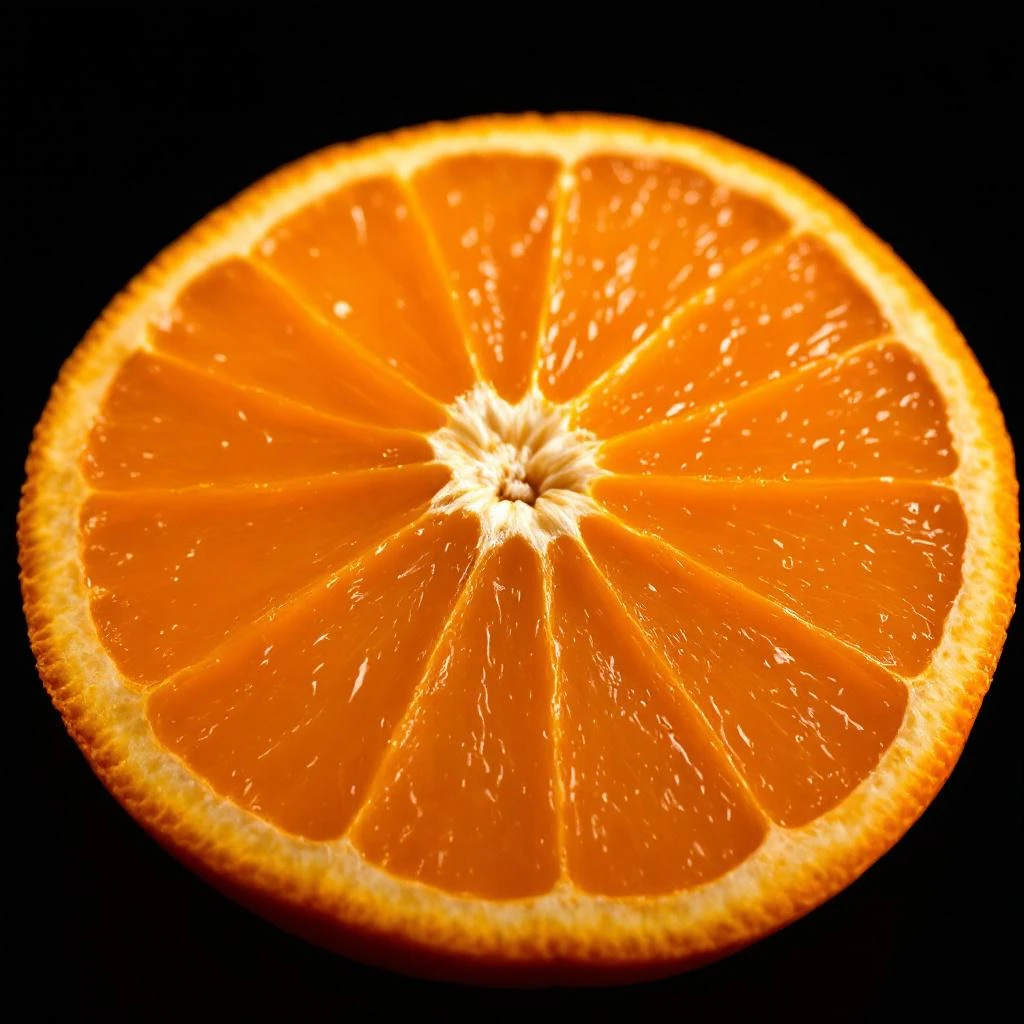
Blood Mandarin is a pigmented citrus variety prized in fine perfumery for its vivid red-peel fruit and complex aromatic profile that surpasses standard mandarin in depth and warmth.
Character
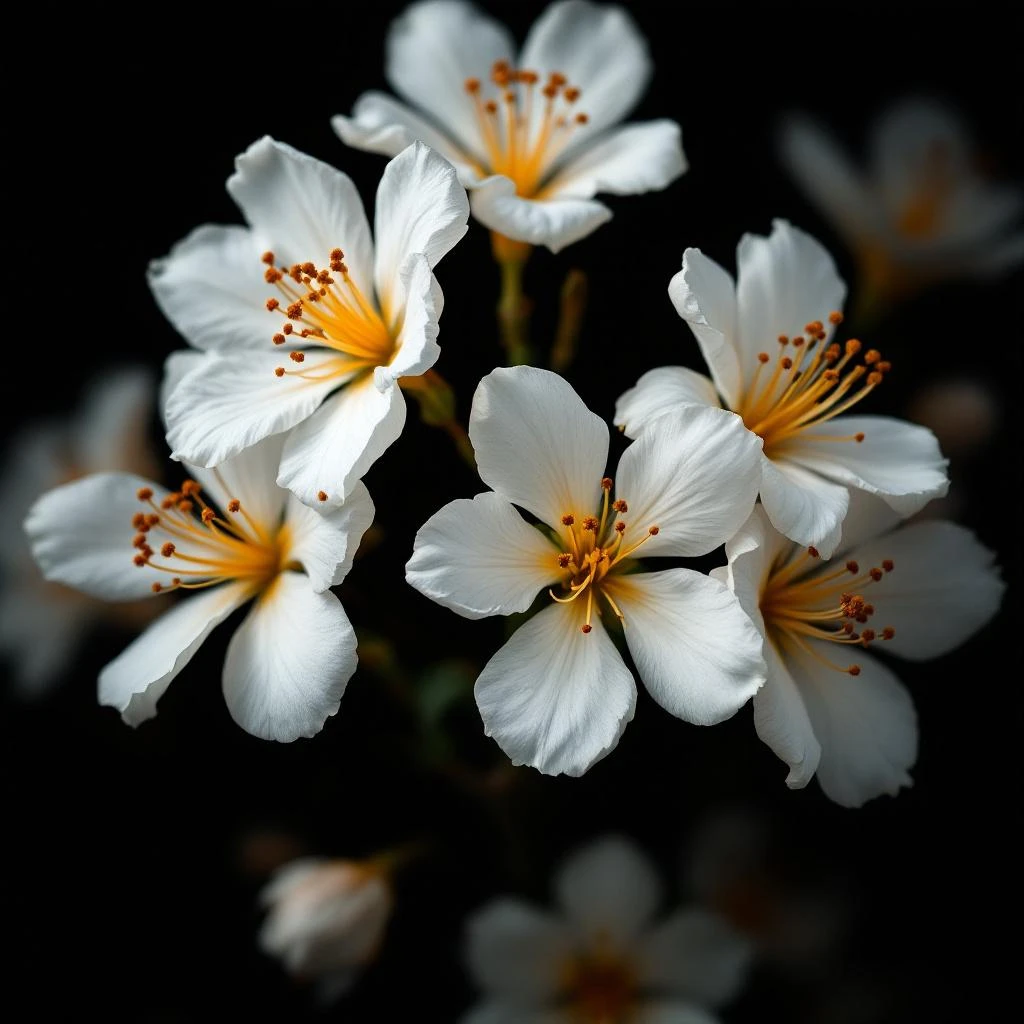
How it smells
Crimson-kissed citrus with a gourmand soul
The blood-red pigment develops only when temperatures drop below 15°C during ripening, making each harvest season a gamble with weather.









Origin
Italy
Blood Mandarin traces its roots to Sicily in the 19th century, where a natural mutation in the region of Catania produced the first deep-red fleshed fruit. Local growers noticed the striking pigmentation appeared only when autumn nights turned cold, creating what became known as the Moro variety. By the early 20th century, these crimson fruits had spread across Mediterranean groves.
Unlike regular mandarins, which reached Europe from China via trade routes in the early 1800s, blood mandarins remained a localized Italian specialty for decades. The fruit's name reflects both its dark flesh and the slightly tart, wine-like quality that distinguishes it from sweeter relatives. Traditional Chinese medicine had long valued mandarin peel for digestive properties, yet blood mandarin specifically emerged as a perfumery material only after Italian chemists began cold-pressing the pigmented variety in the 1970s, discovering its richer aromatic profile compared to yellow and green mandarin oils.
Today, Sicily remains the spiritual home of blood mandarin, with small estates in the province of Catania producing limited quantities that command premium prices in fragrance formulations.
Wears it best
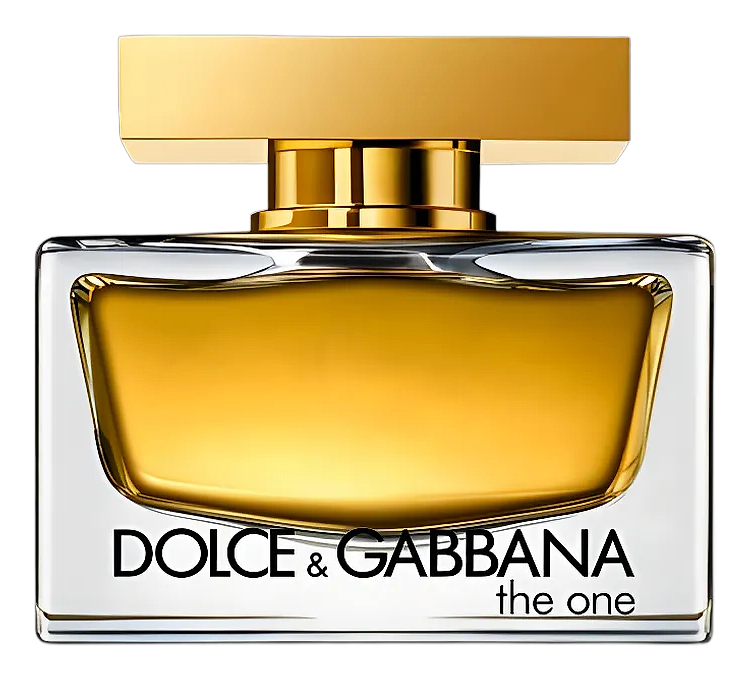
Fragrances featuring Blood Mandarin



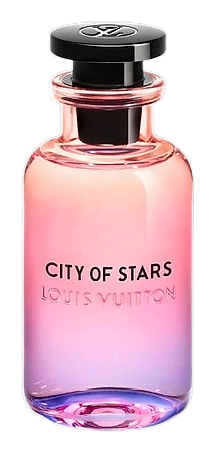
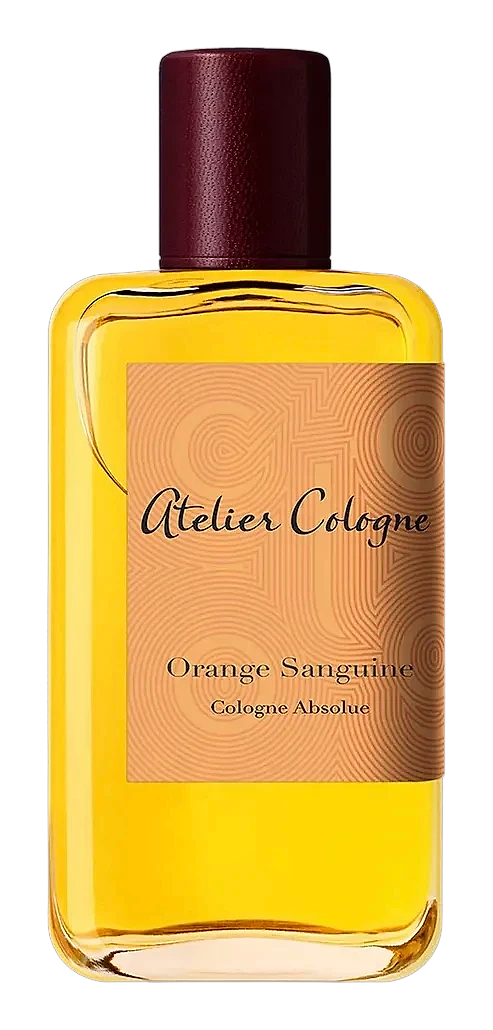
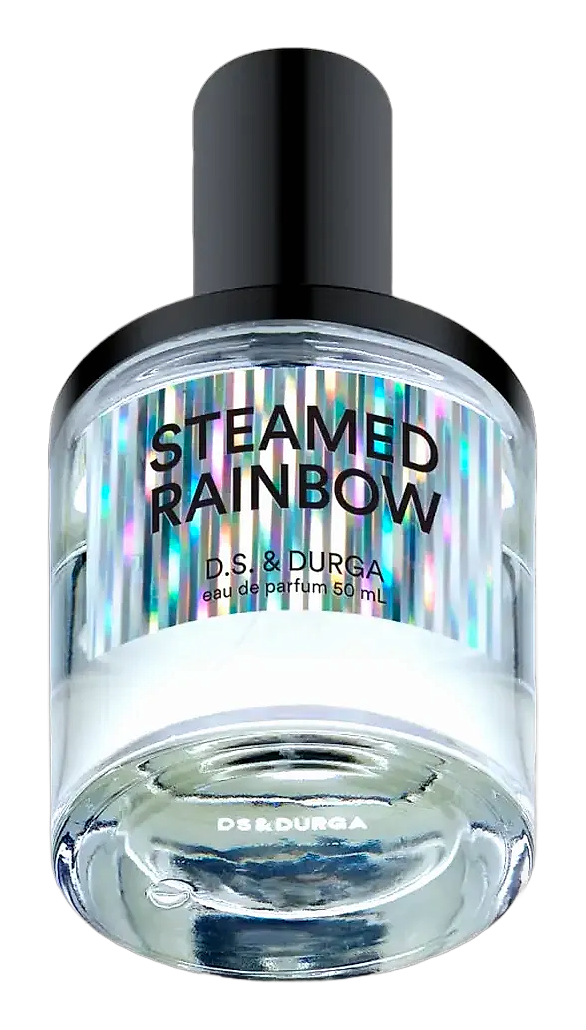

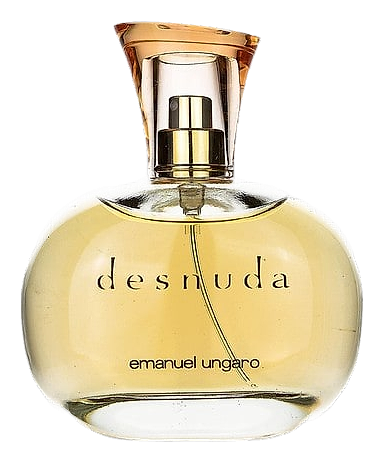
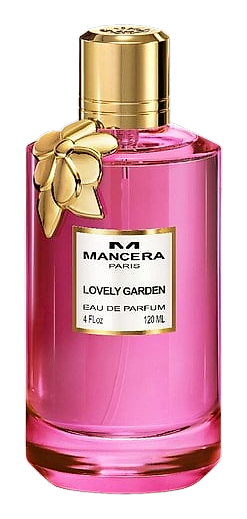
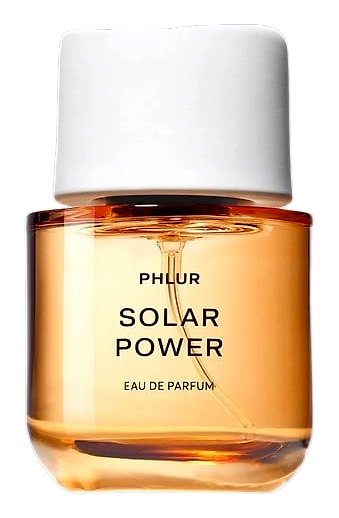
Brands
Brands known for Blood Mandarin
Good to know
Questions, answered
The essentials on Blood Mandarin in perfumery: how it smells, where it comes from, and how it behaves on skin.
What makes Blood Mandarin different from regular mandarin oil?
Blood Mandarin oil carries a deeper, more complex aroma with undertones of raspberry and a wine-like quality. Standard mandarin oil is sweeter and simpler. The pigment difference also indicates higher anthocyanin content, which contributes to its richer scent profile.
Why does Blood Mandarin have its characteristic red color?
The deep red pigmentation comes from anthocyanins, pigments that develop when temperatures drop below 15°C during the final weeks of ripening. This temperature-dependent coloring makes blood mandarin a seasonal and climate-sensitive crop.
Is Blood Mandarin oil expensive?
Yes, it commands a significant premium over standard mandarin oil. Roughly 700 to 800 kilograms of whole fruit yields only one kilogram of essential oil, and Italian production remains limited to specific groves in Sicily.
What fragrances typically use Blood Mandarin?
Perfumers use Blood Mandarin in sophisticated citrus accords for both men's and women's fragrances. It appears in modern colognes, fruity-floral compositions, and niche fragrances seeking depth beyond basic citrus. It pairs well with neroli, white musk, and spicy woods.
Can Blood Mandarin oil be synthesized?
Synthetics exist for certain mandarin aromatics, but no synthetic fully replicates Blood Mandarin's complex profile. Its unique combination of sweet citrus, berry undertones, and warm depth comes from the natural interaction of dozens of compounds in the peel.
Is Blood Mandarin used in food flavoring?
Blood Mandarin essence does appear in premium food flavorings, particularly for beverages, confectionery, and gourmet ice cream. However, perfumery accounts for the majority of high-quality oil usage due to its distinctive character.
Does Blood Mandarin come from a different tree than regular mandarin?
Blood Mandarin grows on the same species as regular mandarin (Citrus reticulata), but specific varieties like Moro and Tarocco have the genetic trait for anthocyanin production in their flesh and often their peel.
Why is Sicily famous for Blood Mandarin cultivation?
Sicily's combination of volcanic soil, coastal humidity, and autumn temperature swings creates ideal conditions for anthocyanin development. The region around Catania produces the world's finest blood mandarins, with a harvest season running from December through February.