The Story
Why it exists.
The beginning
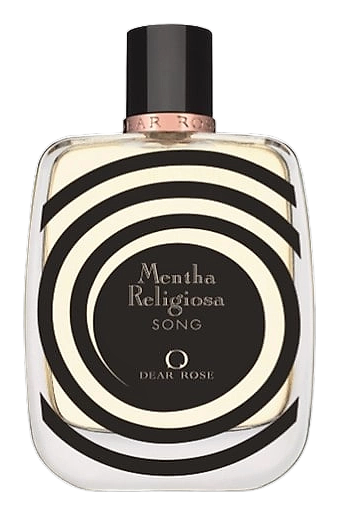
Mentha Religiosa takes its name from sacred mint, a reference to peppermint's use in religious ceremonies, where its cooling properties were thought to purify. In 2016, Fabrice Pellegrin designed this fragrance to capture that tension: mint's bright, almost clinical freshness against the ancient warmth of frankincense. The name isn't metaphorical. The contrast is the point.
What makes this composition distinctive is how the iris bridges two opposing forces. It takes the sharp mint opening and transforms it, not by competing, but by preparing the way for smoke. The heliotrope adds a subtle floral sweetness that keeps the whole thing from becoming austere. When the incense arrives, it doesn't feel like a contradiction. It feels inevitable. That's the trick: Pellegrin builds the transition into the heart notes themselves, so the smoke doesn't crash the party, it was always expected.
The evolution
The peppermint hits first. Bright, cold, a little bracing. Then petitgrain and bergamot arrive, citrus-lit, green, like light through leaves. For the first few minutes, it's sharp. Almost medicinal. Then the incense rises. Slowly, deliberately, smoke curling upward through the iris and heliotrope, finding them. The powdery floral notes soften the edges without fighting. By the time patchouli and cedarwood arrive, the skin is warmer than it started. The drydown lingers, not loud, but present. On fabric, it lasts well into the next day, faint and intimate.
Cultural impact
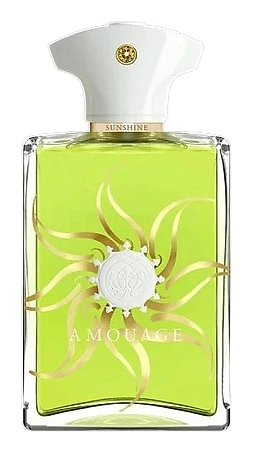
Mentha Religiosa is widely regarded as one of the finest bright mint fragrances in the niche market. It stands apart from conventional mint compositions by adding weight and complexity rather than relying on freshness alone. Compared to similar niche releases like Amouage Sunshine Man and Enclave, Mentha Religiosa carves its own space through the iris-heliotrope heart and powdery drydown that distinguish it from other mint-incense pairings.