
The Story
Why it exists.
The beginning
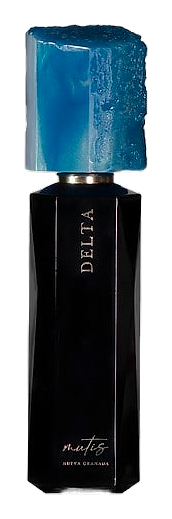
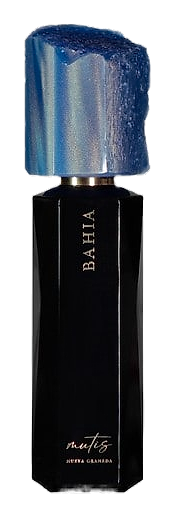
Bahia translates to 'bay,' and within Mutis Nueva Granada's world it signals an equatorial lushness that runs hotter and greener than what most people associate with coastal fragrance. The brand named this release as part of a Latin-rooted creative project where atmospheres of the equatorial belt become raw material for composition. Dominique Moellhausen composed it, bringing a perfumer's hand to the brand's botanical sensibility. Bahia belongs to Mutis's first wave of fragrances, a body of work later shown at Pitti Fragranze, where the line drew attention for treating New World flora with the seriousness usually reserved for European naturals. Bahia reads as the project at its most confident, pulling a wide cast of materials into something that feels both cultivated and wild.
The interesting tension in Bahia lives in the pairing: saffron and pink grapefruit at the top, cashmere wood and orchid in the heart, leather and myrrh at the base. That's a floral-spicy-leather architecture, not a beach scent. Mutis's reference point here reads less like sunscreen and more like something denser, the smell of leaves after rain and the mineral hum of warm air. The cashmeran gives it a soft, fabric-like warmth without leaning soapy, the kind of texture that makes a fragrance feel worn rather than applied.
The evolution
The opening hits with pink grapefruit's brightness cut by saffron's dry heat. Bergamot adds a clean edge underneath, lifting the citrus so it doesn't collapse into simple fruit. That citrus-spice phase reads quickly, and within minutes the florals take over. Damask rose arrives with a fruity sweetness, joined by peony's cool lift, and the saffron recedes but doesn't vanish. The heart deepens as cashmere wood and orchid settle in, with ylang-ylang adding a dense, almost tropical creaminess. Tonka bean sweetens the middle, pulling warmth from below and bridging the florals into what's coming next. The transition into the base is where Bahia commits: leather arrives with structure, myrrh brings smoke and resin, and amber wraps everything in warmth. Moss grounds the bottom with something damp and green, the kind of note that keeps the leather from feeling too urban.
Cultural impact
Bahia arrived as part of Mutis Nueva Granada's first wave of releases, a body of work later shown at Pitti Fragranze. The brand's positioning, rooted in Latin and equatorial references, placed Bahia within a wider conversation about niche perfumery drawing from territories outside the traditional European canon. Within that context, Bahia reads as a composition that refuses the obvious tropical cues. The leathery-woody profile places it closer to contemplative, material-driven compositions than to typical beach fragrances, which is exactly the kind of disruption that distinguishes a young perfumery willing to take risks with structure.