The Story
Why it exists.
The beginning
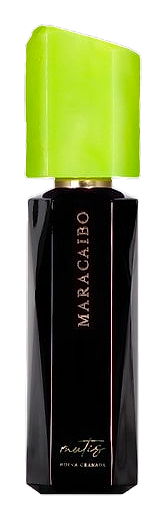
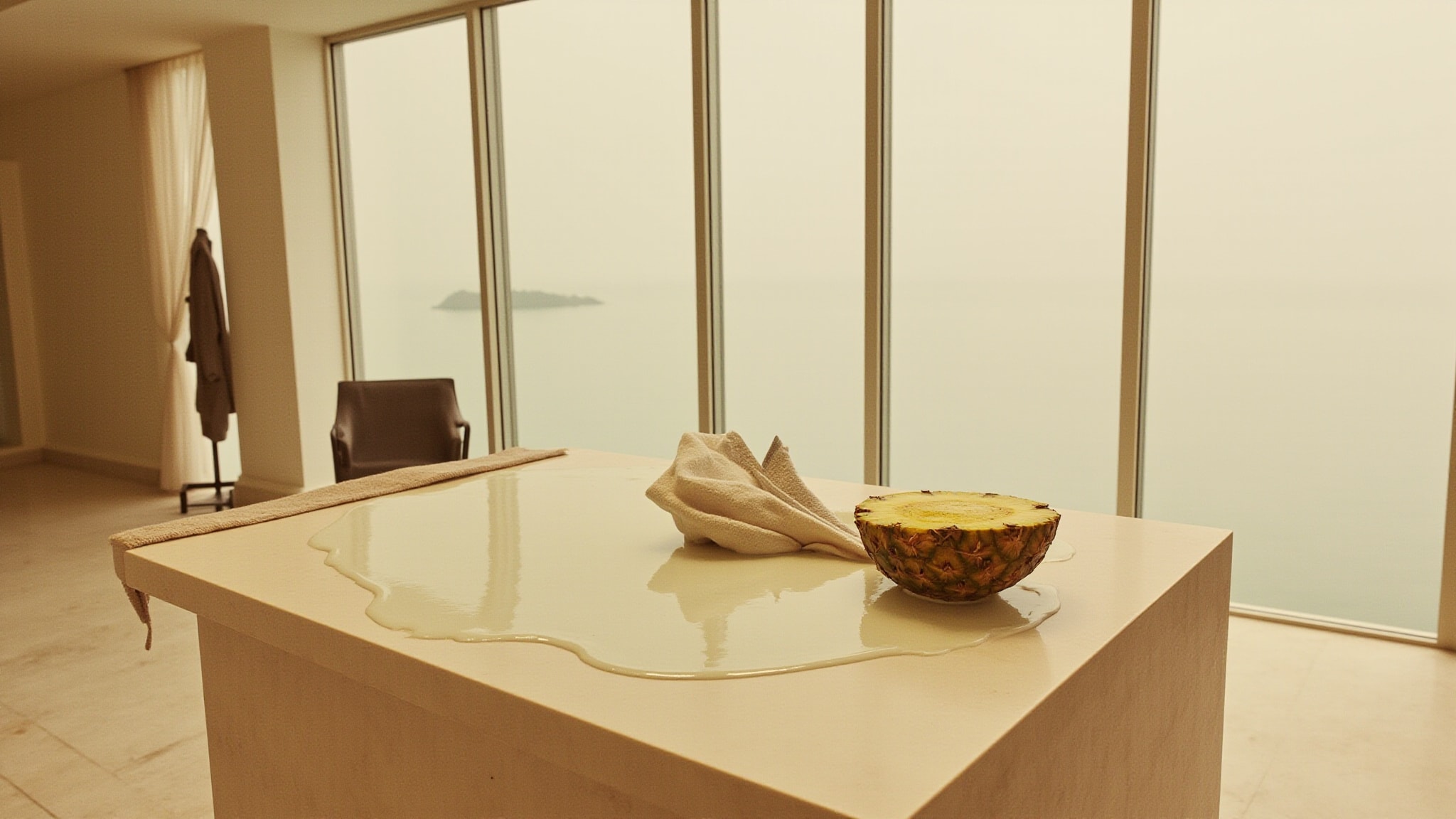
Maracaibo takes its name from the vast lake in northwestern Venezuela, where Caribbean air meets South American heat and something old settles over the water. The fragrance captures that particular weight of humidity itself: the moment when sweetness and stillness become indistinguishable. The opening delivers tropical brightness, pineapple and coconut creating an impression of fruit hanging heavy in wet heat. Beneath this, warm spice emerges, lending depth without sharpness. The overall effect is warm and almost edible, a sensory echo of proximity to water in intense climate. There is a stillness here too, a quality of air so thick it seems to hold scent suspended longer than expected, as if humidity itself has become a component of the blend.
What makes this work is the refusal to commit. The piña colada accord, pineapple and coconut, could easily tip into tanning-lotion territory, but the caramel warmth and earthy vetiver in the base pull it somewhere more complex. Cinnamon arrives not as a spice-bomb but as a slow heat that threads through the sweetness. Meanwhile, the watery notes at the base aren't aquatic in the marine-blue sense. They're mineral. They smell like lake water touching soil. The coconut milk doesn't read as beach, it reads as humidity, as the weight of moisture in the air. That's a harder trick to pull off, and the composition earns it.
The evolution
The opening hits immediately: pineapple bright and sweet, coconut milk pooling underneath. Warm. Almost edible. The warmth continues as the fragrance develops, and then the spice arrives, not as a sharp note but as a slow exhalation of heat. As the composition evolves, caramel begins to show through the coconut milk, thickening things slightly. The piña colada impression doesn't disappear. It deepens. An aquatic note keeps appearing and disappearing throughout the development, a mineral streak that reads as wet stone rather than ocean. The woods begin to assert themselves, cedar first, then sandalwood, dry and clean. The vetiver is the quiet anchor. It shows up late and stays longest. The drydown settles into vanilla and musk, warm and close to the skin, with a faint earthy quality that reminds you this came from somewhere humid and alive.
Cultural impact
Maracaibo is named after the vast lake in northwestern Venezuela. The fragrance captures a landscape where Caribbean humidity mingles with tropical sweetness. The use of piña colada and coconut milk evokes tropical warmth and abundance, while the vetiver and woody base notes ground the sweetness in something more grounded and authentic. This interplay between bright tropical notes and earthy undertones gives Maracaibo its distinctive character. It feels rooted in a specific geography rather than generic exoticism.