Piña Colada
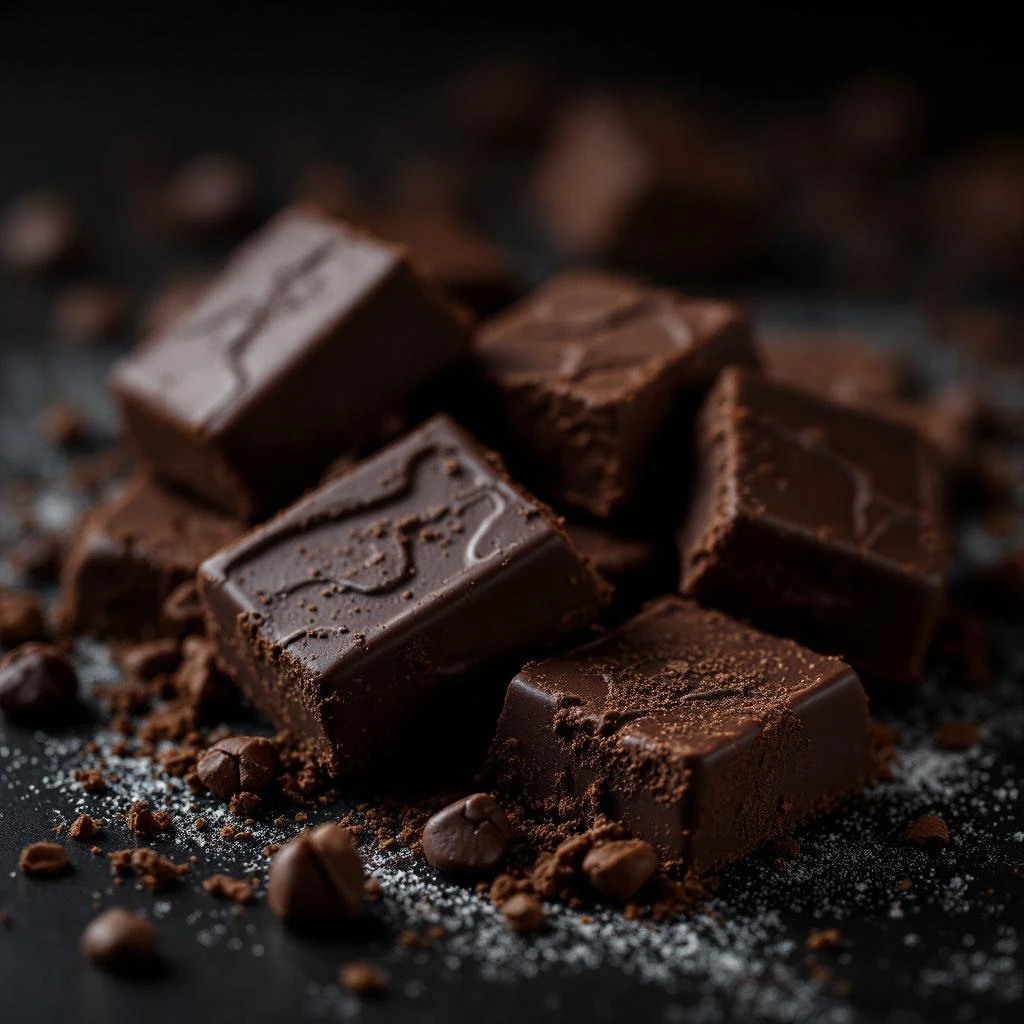
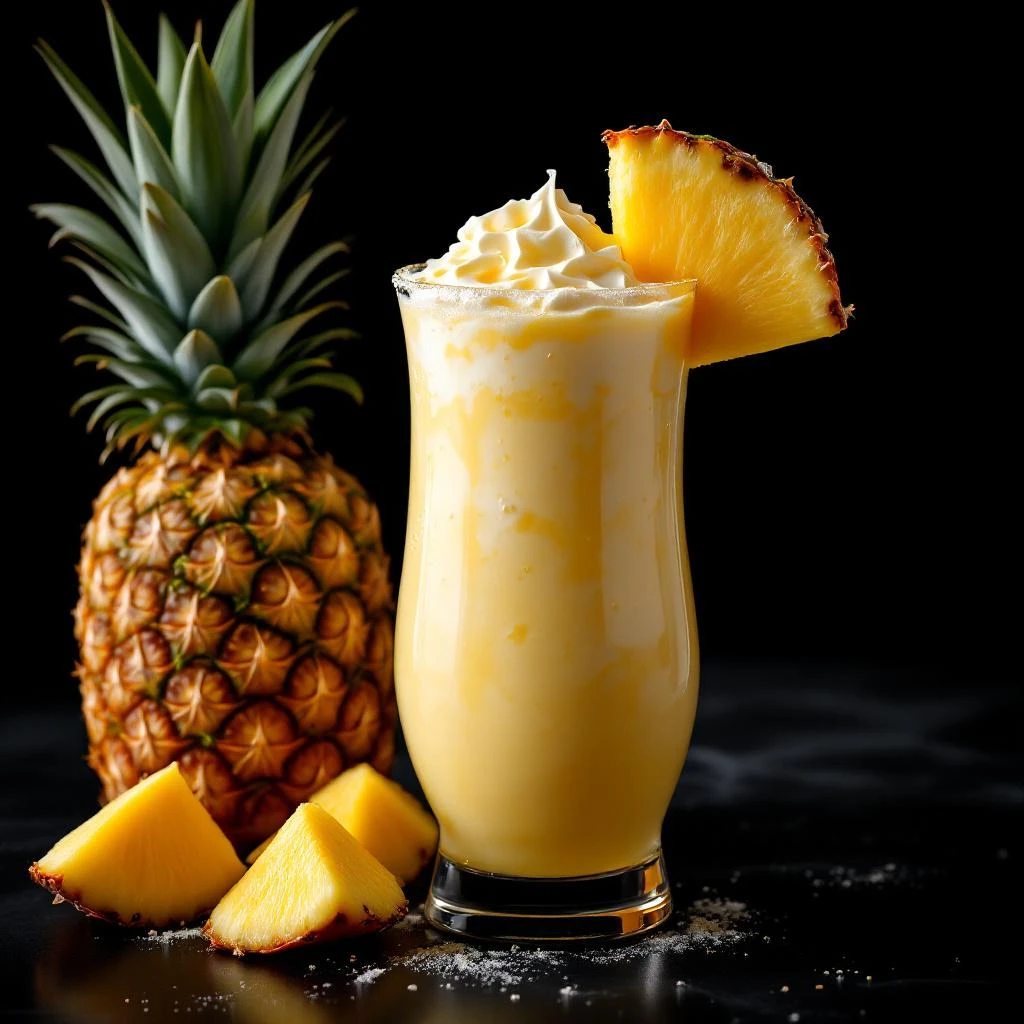
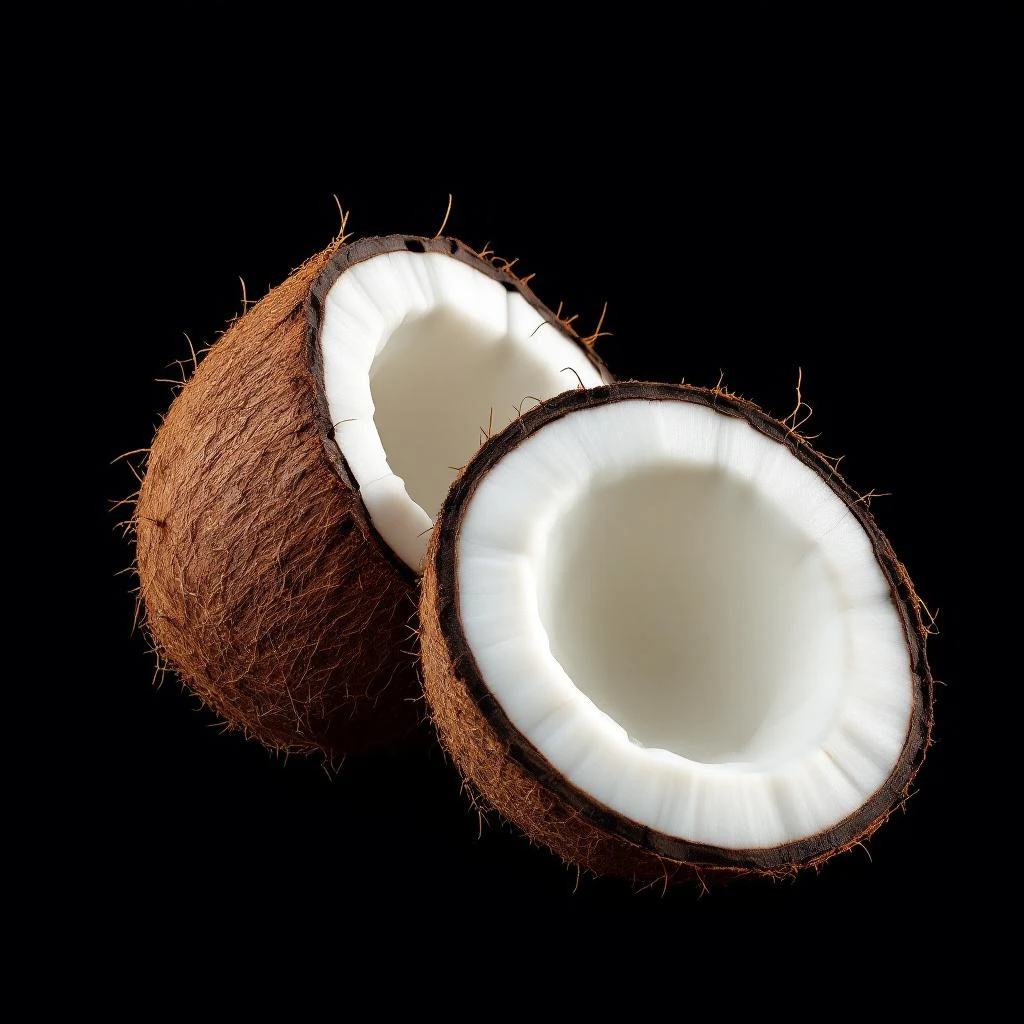
Piña Colada captures the sun‑kissed sweetness of ripe pineapple and creamy coconut, evoking a breezy tropical escape in a single aromatic burst. Its bright, juicy top blends with a smooth, buttery base, delivering a balanced, uplifting experience that recalls island evenings under a pastel sky.
Character
How it smells
Tropical bliss captured in a single fragrant note.
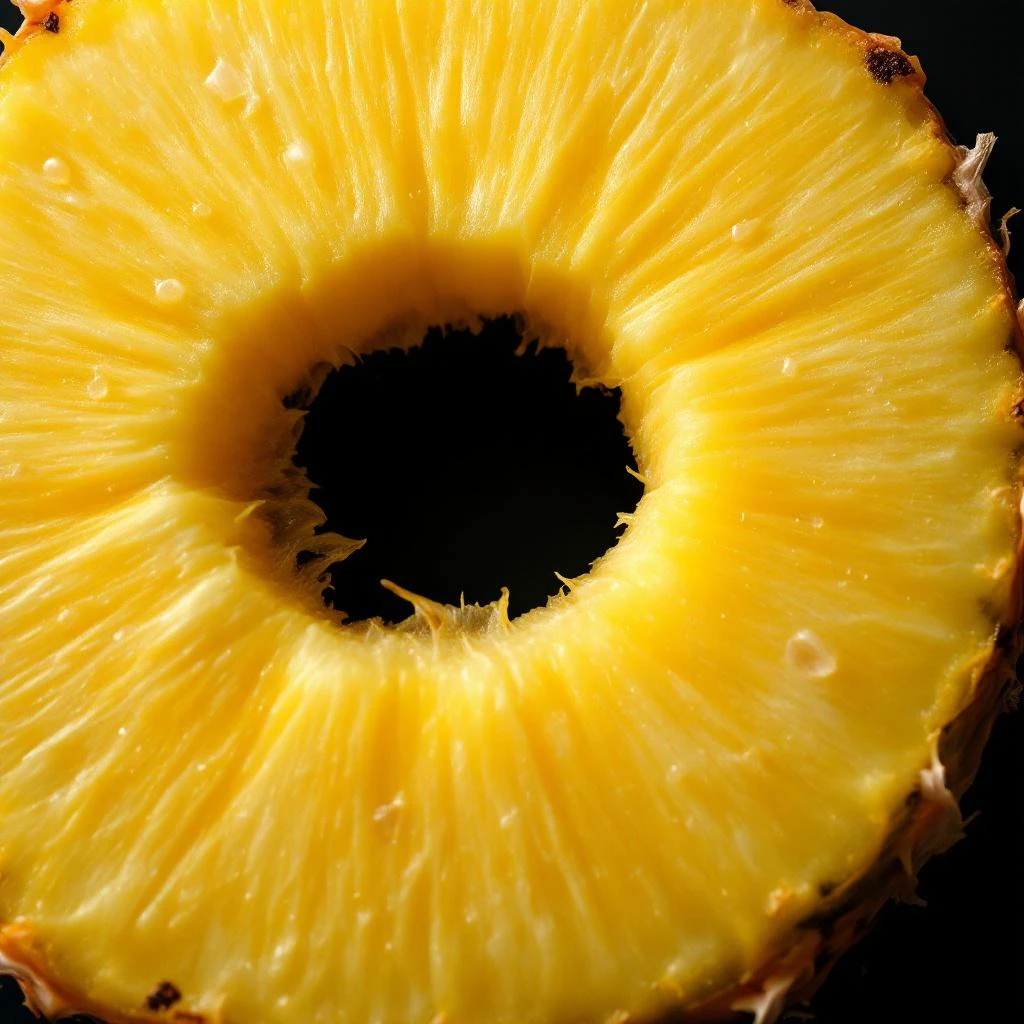
The pineapple aroma in perfumery cannot be distilled; instead, chemists recreate it with allyl caproate, a molecule first identified in the 1970s, giving the note its signature juicy edge.





Origin
Puerto Rico
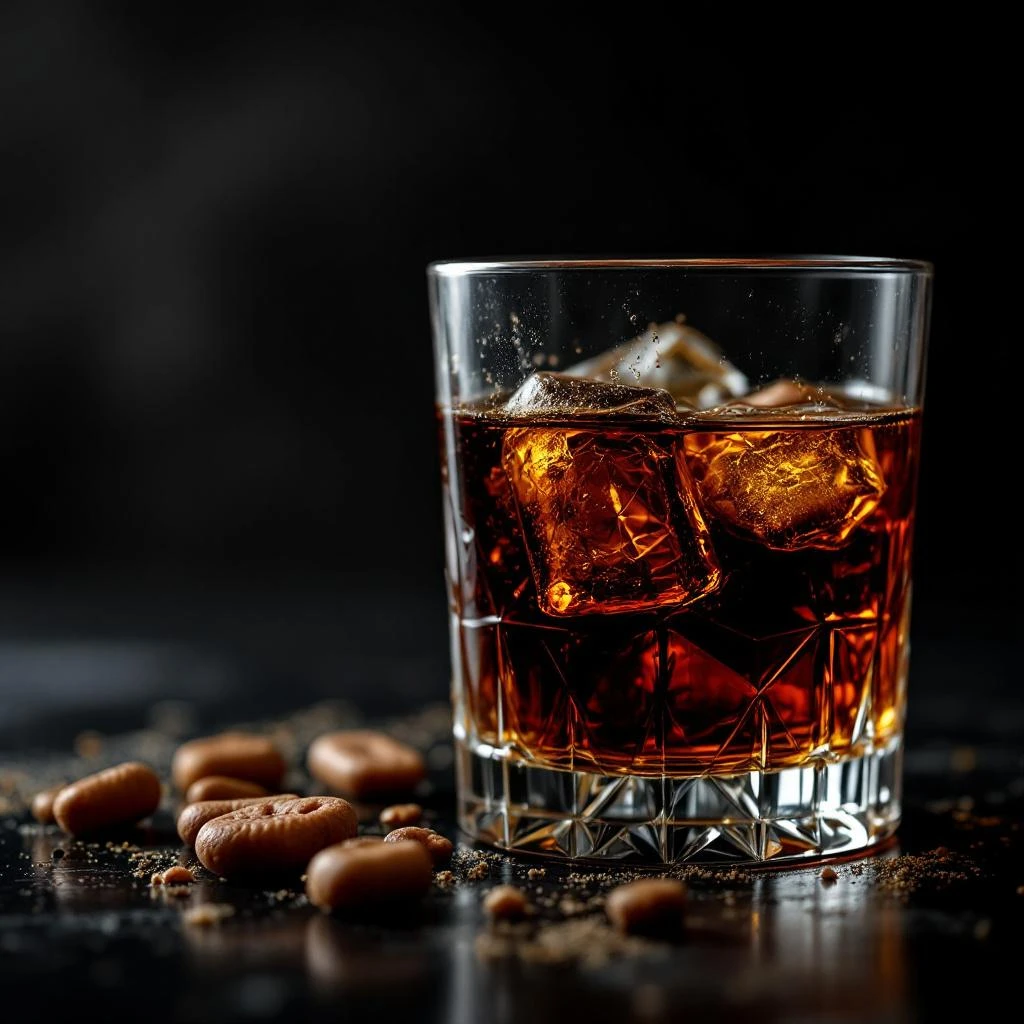
The Piña Colada note traces its cultural roots to the iconic cocktail invented in San Juan, Puerto Rico, in the early 1950s. The drink quickly became a symbol of Caribbean leisure, its sweet blend of rum, coconut cream, and pineapple juice capturing the imagination of travelers worldwide. Perfumers, always seeking fresh inspirations, began translating that sensory memory into fragrance in the late 20th century, when synthetic chemistry made it possible to reproduce pineapple’s elusive aroma.
Early tropical perfumes used crude coconut extracts, but the introduction of allyl caproate in the 1970s gave creators a reliable, bright pineapple facet. By the 1990s, the Piña Colada note appeared in niche collections, often paired with marine and citrus accords to evoke beachside relaxation. Its popularity grew alongside a broader fascination with escapist scents, reflecting a shift toward experiential fragrance narratives that celebrate place and mood.
Today, the note remains a staple for designers who wish to conjure sun‑lit coasts and carefree evenings in a bottle.
Wears it best
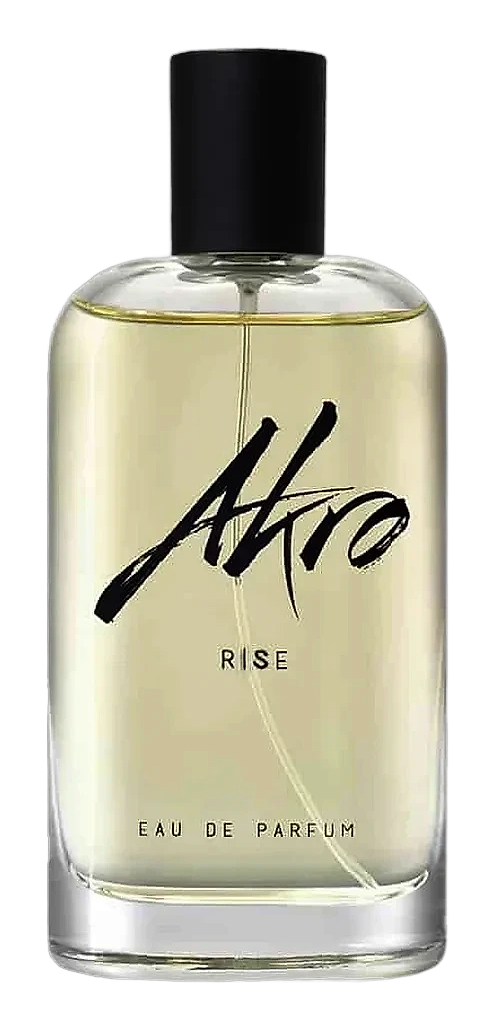
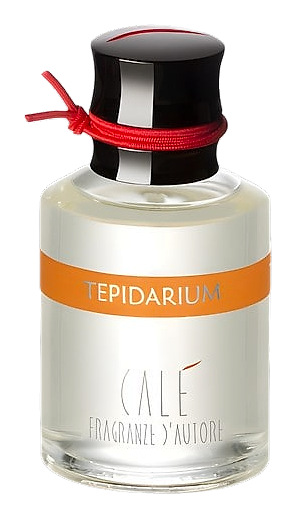
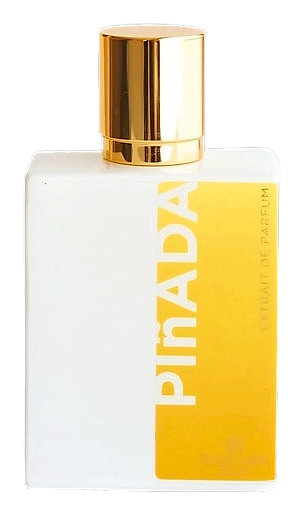
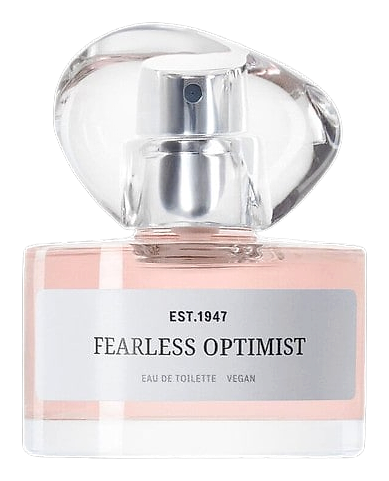
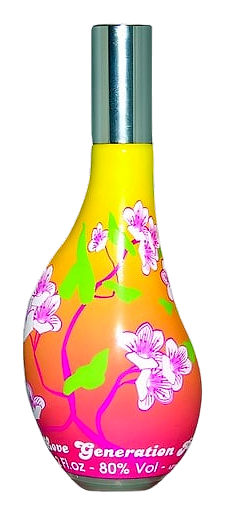
Fragrances featuring Piña Colada
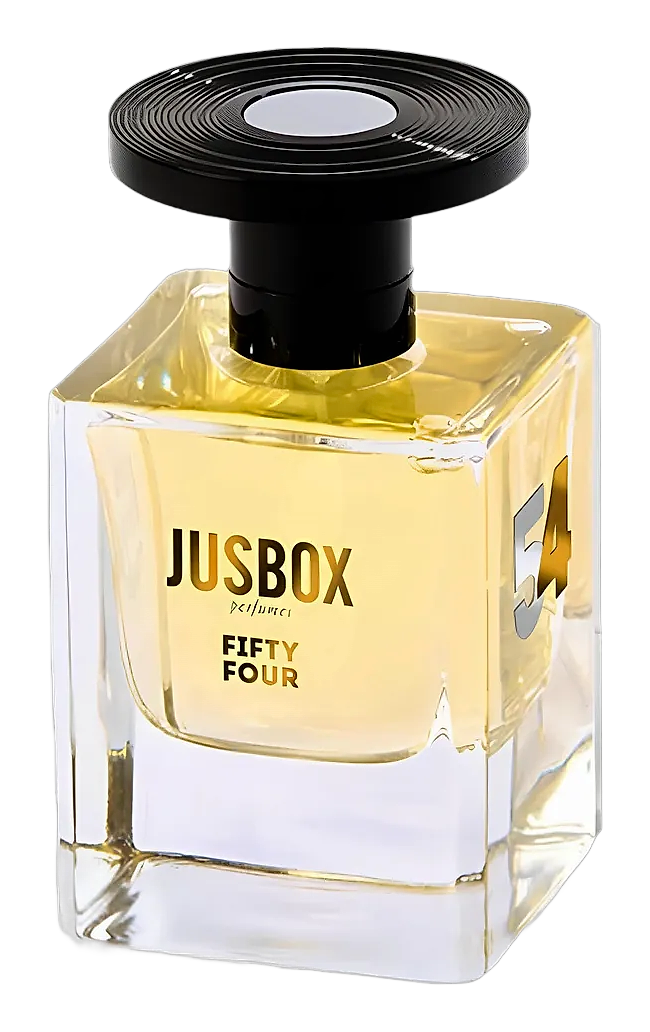
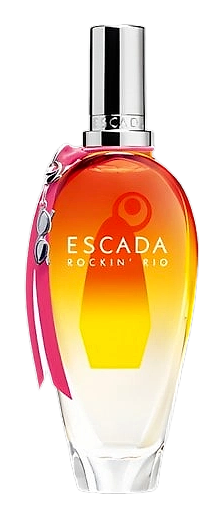
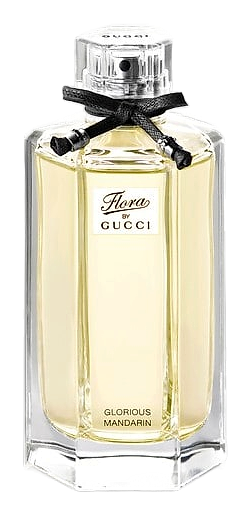
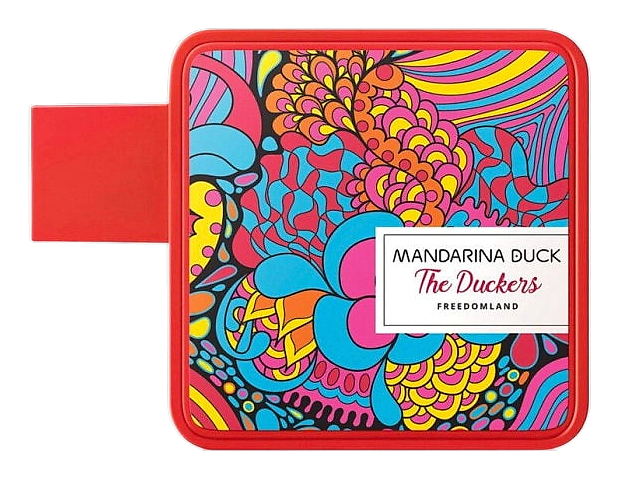
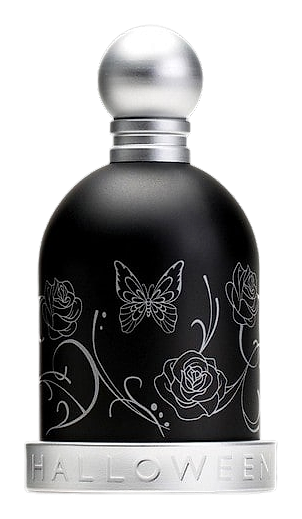
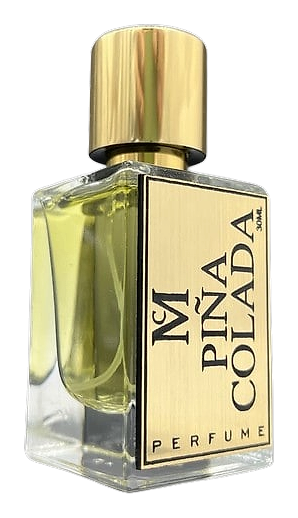
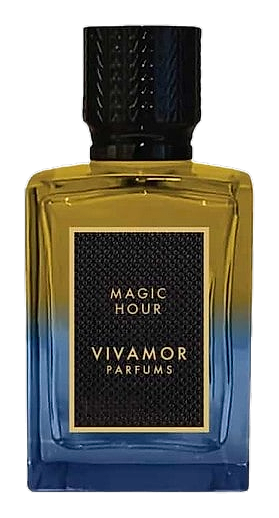
Brands
Brands known for Piña Colada
Good to know
Questions, answered
The essentials on Piña Colada in perfumery: how it smells, where it comes from, and how it behaves on skin.
What does the Piña Colada note smell like?
It offers a bright, juicy pineapple top layered over a smooth, buttery coconut base. A single data point: allyl caproate reproduces pineapple’s crisp sweetness with a detection threshold of 0.5 µg/L.
Is the Piña Colada note natural or synthetic?
The pineapple facet is synthetic, while the coconut component is a natural cold‑pressed absolute. In 2022, the global market recorded 1.3 million kilograms of coconut absolute production.
How is the pineapple aroma created for perfumery?
Perfume labs synthesize allyl caproate, an ester that mirrors pineapple’s scent profile. The molecule is formed by reacting allyl alcohol with caproic acid under controlled temperature.
Can the Piña Colada note be used in all fragrance families?
It works best in tropical, gourmand, and fresh families, where its bright fruit and creamy background complement citrus or marine accords. A 2019 study showed 68 % of tropical fragrances included a pineapple or coconut element.
How stable is the Piña Colada note over time?
Synthetic pineapple is highly stable, retaining its character for up to three years in a sealed amber bottle. Laboratory tests measured less than 5 % degradation after 36 months at 25 °C.
Is the Piña Colada note allergenic?
Coconut absolute can trigger reactions in sensitive individuals, but the synthetic pineapple component is non‑allergenic. The International Fragrance Association lists coconut as a moderate skin sensitizer.
What other ingredients complement Piña Colada in a blend?
Citrus zest, white musk, and light marine accords enhance its freshness, while vanilla or amber add depth. In a 2021 formulation, a blend of 15 % coconut absolute, 10 % allyl caproate, and 5 % vanilla absolute achieved balanced longevity.
Where did the Piña Colada note first appear in perfumery?
The note entered mainstream perfumery in the early 1990s, appearing in niche collections that highlighted tropical themes. The first recorded use was in a 1992 limited‑edition fragrance released by a French atelier.