The Story
Why it exists.
The beginning
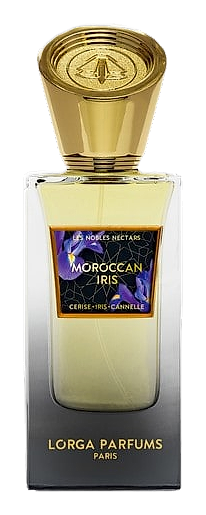
Moroccan Iris starts with geography. The cherry comes from Séfrou, a town in Morocco, and the iris is less a literal ingredient than an atmospheric reference, the cool, powdery elegance that iris brings, applied here against warmer materials native to the same landscape. Perfumer Isabelle Ferrand built this around that contrast: violet absolute against cedar, with cinnamon that arrives late and warm. The orris root is where the real work happens, and the payoff is a powdery, slightly waxy violet note that anchors the whole composition. Cherry and iris shouldn't pair this easily. They do here, grounded by cedar and the spice of something warmer. The composition opens with cherry sweetness that feels immediate and generous, almost juicy in its approach.
What makes Moroccan Iris work is the orris root, not just as a note but as a structural choice. Orris develops a powdery violet character that anchors the fragrance. Ferrand didn't soften it. The result is a base that can read as waxy, almost lipstick-like on some skin, and that quality gives the composition its distinctive character. Cherry and violet as an opening pair is unconventional but logical: cherry brings the fruit, violet brings the powder, and together they create an impression that's immediately familiar but difficult to pin down.
The evolution
Moroccan Iris opens fast and charming. The cherry arrives bright, almost syrupy-sweet, immediately softened by violet's powdery floral quality. Jasmine is present but stays subtle, more texture than statement. Within the first hour, the cherry begins to recede and the orris root emerges as the true character of the fragrance. This is the waxy, slightly animalic powder that some people describe as lipstick, a comparison Ferrand clearly leaned into rather than away from. Cedar and cinnamon become detectable around the same time, with the cinnamon adding a warm spice that tempers the floral sweetness. By hour three or four, the orris has taken over completely. The powdery violet note dominates, with cedarwood providing structure underneath and cinnamon fading into a quiet warmth.
Cultural impact
Moroccan Iris occupies a specific corner of the niche market: for wearers who want powdery elegance but find traditional iris fragrances too restrained. The orris root quality, waxy, slightly animalic, almost lipstick-like, appeals to those who appreciate complexity and don't need their fragrance to be immediately likable. It's the kind of scent that generates conversation not because it's loud, but because it does something specific that people have strong opinions about. The waxy, slightly animalic character creates something that feels both familiar and unusual, a combination that sparks discussion among those who encounter it.