The Story
Why it exists.
The beginning
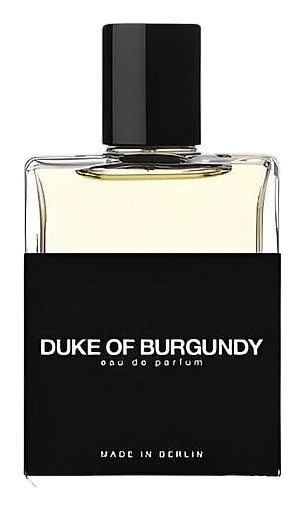
Duke of Burgundy takes its name from Peter Strickland's 2014 art house film, a slow, deliberate study in power, tenderness, and what remains unspoken between two women navigating a structured world. Visually, the film drew from 1970s European cinema, and its title came from the burgundy boxes that once held vintage lingerie. Moth and Rabbit translated that palette directly into scent. Davana and osmanthus captured the period's botanical richness. Grain brought the warmth of steam-pressed fabric. Leather and shoe polish echoed the visual precision, the polished formality that conceals everything underneath.
The shoe polish accord is the fragrance's most debated decision, and its most interesting one. It grounds the sweetness of peach and davana, adds a waxy, leather-working depth that most compositions skip entirely. It could read as off-note. Instead it reads as honest. Combined with heliotrope and musk, it keeps the drydown close and personal rather than performed. The kind of fragrance that tells you something about the person wearing it without them saying a word.
The evolution
The opening arrives fruity and slightly fermented, peach and davana leaning into each other, with green angelica keeping things grounded. Freesia adds a clean floral brightness that lifts the top without making it sweet. The heart is where Duke of Burgundy earns its name. Leather arrives not as a statement but as a presence, powdery, restrained, almost aldehydic. Osmanthus gives it a bruised floral quality. Grain adds warmth that feels like steam from freshly pressed fabric. The shoe polish accord reveals itself in the drydown, waxy and strange, grounding everything that came before. Heliotrope and musk settle close to the skin. Cedar and sandalwood provide a quiet, warm base that lasts well into the next few hours. Moderate sillage. This is a fragrance that asks to be discovered, not announced.
Cultural impact
Duke of Burgundy arrived in 2016 as a deliberate counterpoint to the polished, inoffensive fragrances dominating the niche market at the time. By placing a shoe polish accord at the center of its composition, Moth and Rabbit Perfumes forced a confrontation with an unexpected material that most fragrance houses avoid entirely. The choice signals a broader shift in niche perfumery toward materials that carry memory and narrative rather than universal appeal. This kind of uncompromising artistic decision invites strong reactions and sparks conversation, which aligns with the house's Berlin roots and its background under the Folie à Plusieurs label.