The Story
Why it exists.
The beginning
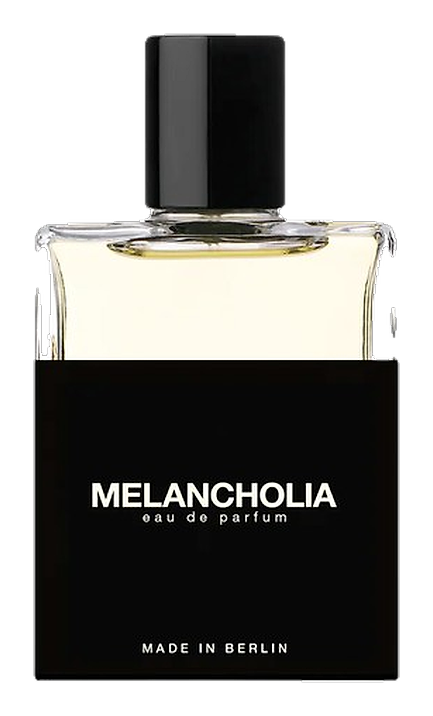
Mark Buxton created Love Exposure in 2014. The brief was simple and impossible: build a story that earns an unforeseeable ending. Buxton delivered one. Love. Innocence corrupted. The wordplay in the title isn't decoration, it's structure. The fragrance opens clean, innocent, almost naive. A bright citrus sparkle lifts the initial impression while soft white petals, tuberose and gardenia, unfold with an almost hypnotic purity. The wearer settles into this opening, comfortable with its beauty, trusting where it seems to be heading. Then it shifts. Something arrives that doesn't belong to the beginning. The costus emerges, warm and animalic, threading through the florals like a whisper that doesn't belong in polite company. Cumin adds a spicy edge, slightly dirty, unmistakably intentional.
What makes Love Exposure unusual is the costus. This material has largely disappeared from modern perfumery, it carries a slightly animalic, almost disagreeable quality that most houses find too risky. Buxton put it at the center. Not as a supporting note. As a statement. Costus, paired with indole and cumin, creates something that smells like skin, warm, intimate, faintly unsettling. The floral notes don't fight it. Magnolia and jasmine lean into that warmth, amplifying it rather than decorating over it. The result is a fragrance that feels clean and kinky at the same time. Innocence and experience occupying the same space.
The evolution
The opening is magnolia and neroli, bright, heady, a little too sweet. Ylang-ylang pushes it into opulent territory. Blackcurrant adds a dark fruit note that catches the light differently. This is the film's first act: beautiful, slightly arch, clearly performing innocence. Around forty minutes in, the jasmine arrives. Dense, indolic, pushing the sweetness toward something fleshy. The bay cuts through with a green sharpness. Then cumin, and that clean floral warmth begins to smell like skin instead of flowers. The narrative turns. You've trusted the fragrance so far, and now it's showing you something you didn't expect. The drydown takes another two hours to fully arrive. Sandalwood and vanilla create softness, ambergris adds mineral warmth, incense lingers as a whisper. By hour six, it's intimate and close. Close enough that you catch traces of it the next morning, not on skin, but in fabric. A memory of costus. The story you thought you were wearing, altered by the night. On fabric versus skin, the evolution reads differently. Skin keeps the animalic warmth.
Cultural impact
Love Exposure occupies a specific niche in the world of white florals. The costus and cumin create a polarizing tension, animalic without being aggressive, floral without being polite. The opening is deceptively gentle, clean white petals, a hint of green, the kind of brightness that suggests innocence. Then the narrative turns. The costus brings warmth that feels intimate, almost secretive. Cumin adds spice that borders on erotic, while indole deepens everything into a rich, complex territory. The combination challenges the notion of what a white floral can be.
The House
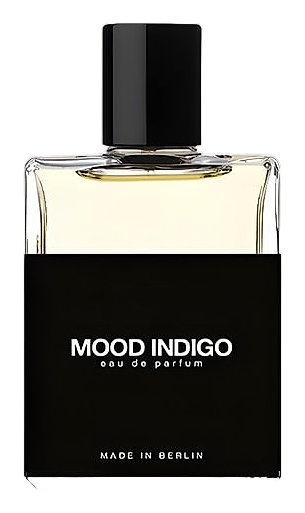
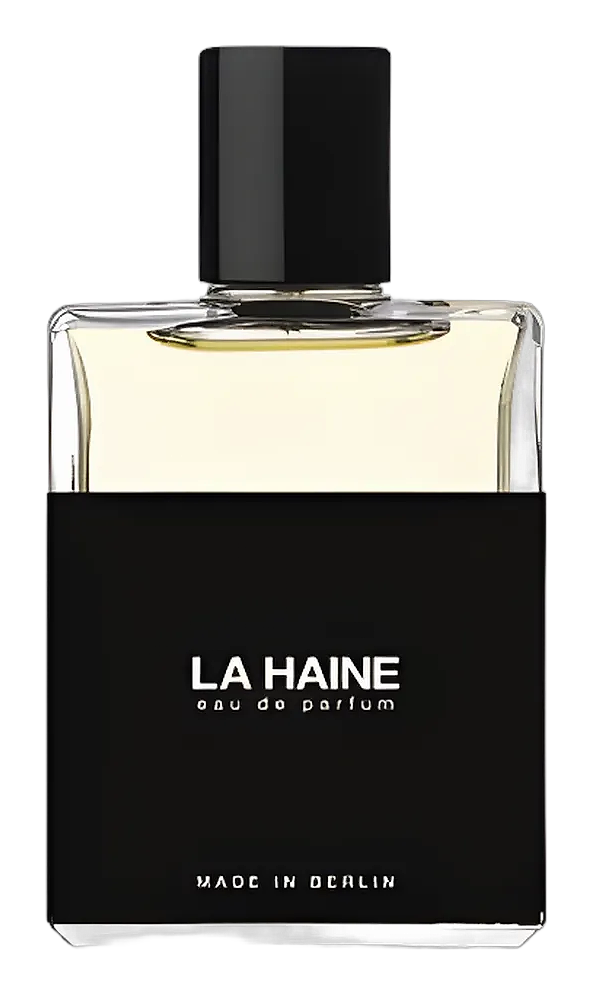
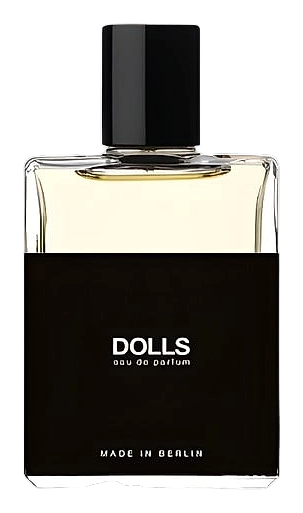
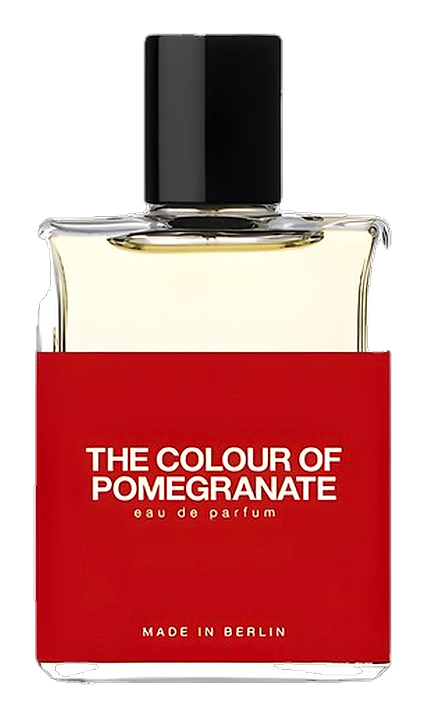
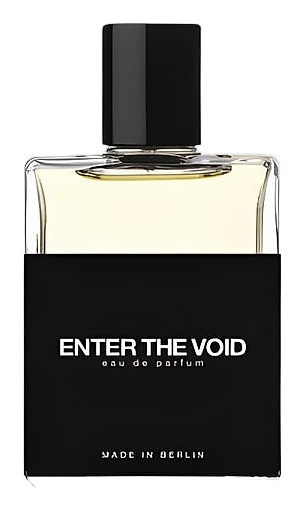
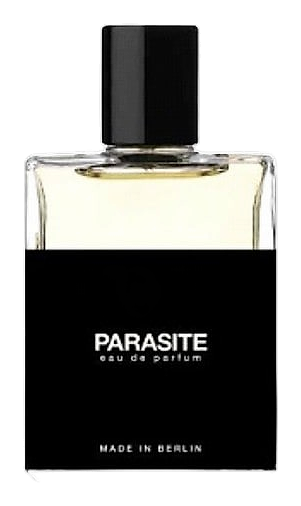
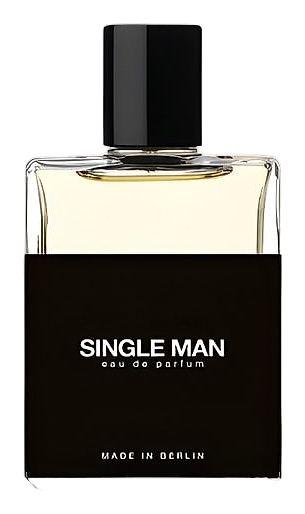
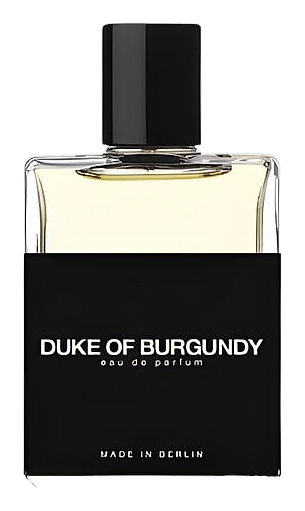
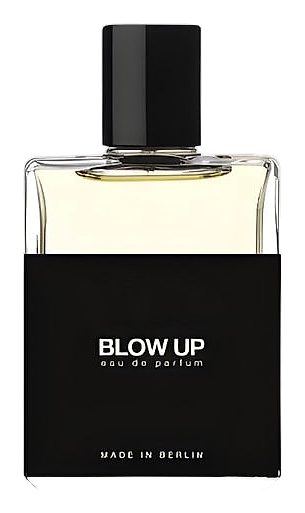
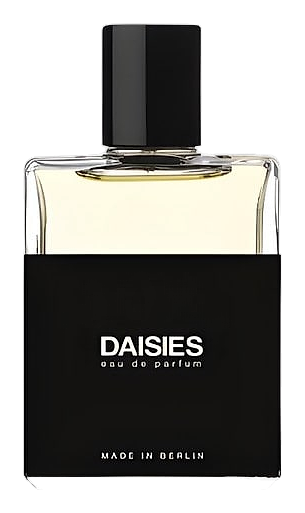
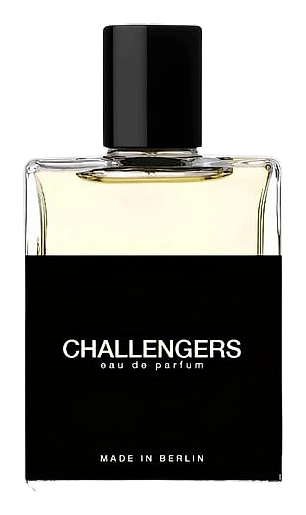
Moth and Rabbit PerfumesMoth and Rabbit creates contemporary niche fragrances that read like short films. Founded in Berlin in 2016 by Elke Filpes and Christian Choi, the house treats scent as a narrative medium, turning cinematic moments into olfactory stories. Each bottle invites the wearer to step into a scene, whether it is the restless energy of a teenage romance or the quiet tension of a midnight shoreline. The brand balances experimental composition with a clear, minimalist aesthetic, making every launch feel like a fresh script waiting to be performed on the skin.
The Creator
Mark BuxtonMark favors a structural approach that starts with a strong base, often built from rare woods, ambergris substitutes, or aged resins. He layers these foundations with carefully selected heart notes—spices, florals or herbs—that add depth without overwhelming the base.