The Story
Why it exists.
The beginning
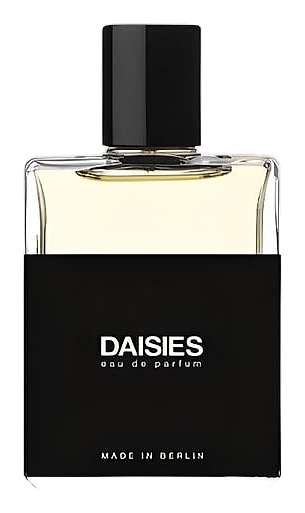
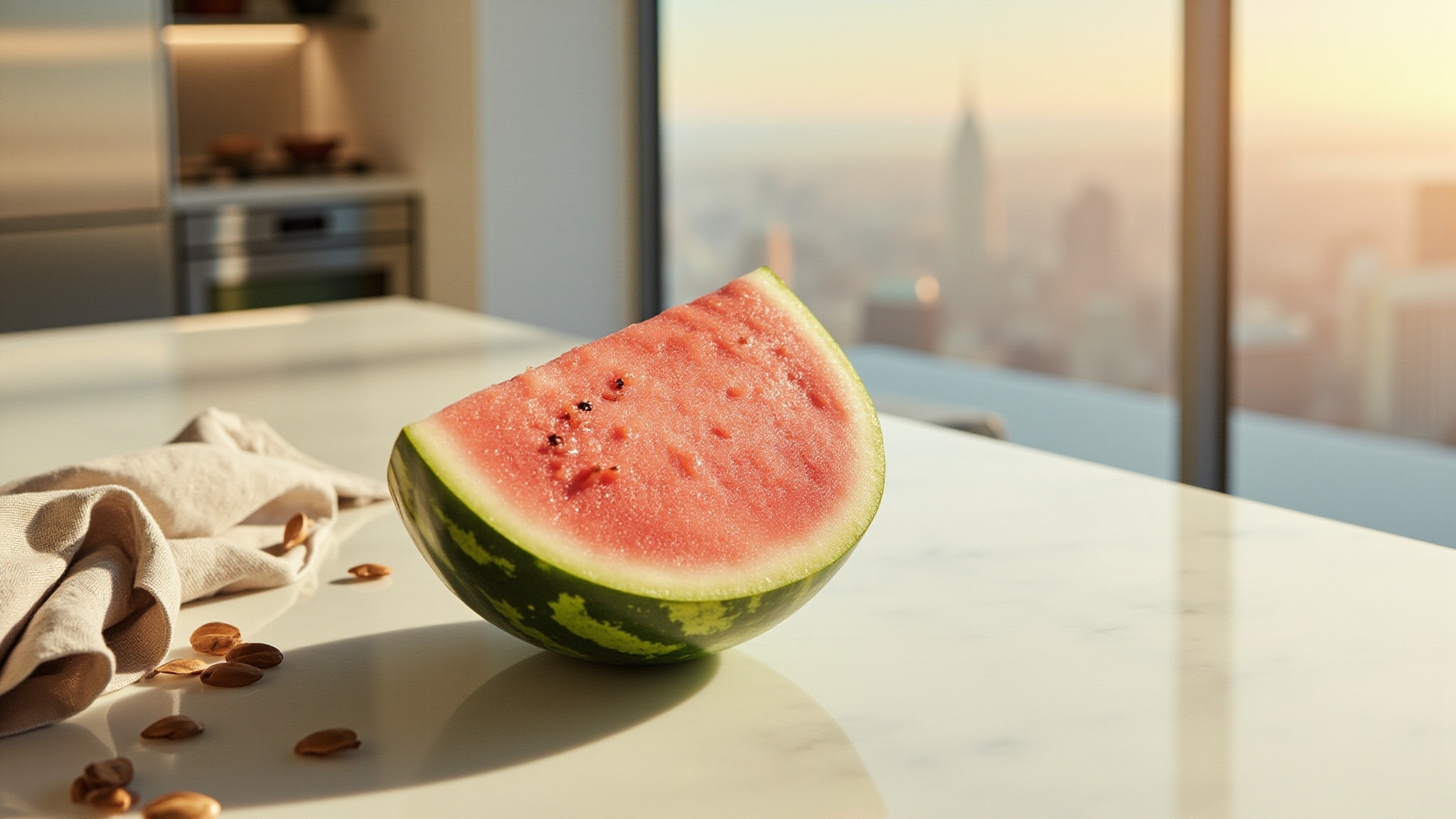
The 1966 Czech New Wave film Daisies follows two teenage girls, both named Marie, who decide the world is ruined and set out to make mischief in response. They trash a banquet, swap partners, and refuse to apologize for any of it. In 2014, Mark Buxton took that same restless, rule-breaking energy and translated it into scent. The brief wasn't subtle, it was abundance as provocation, sweetness as defiance. Buxton built the opening from a hoard of green apple, watermelon, yuzu, peach, and hazelnut: a table overflowing with excess. The heart is candies and florals, sweet and playful. Then the base turns, cedarwood, leather, patchouli, and opoponax resin arriving like the moment the film stops laughing. The composition mirrors the film itself: it starts bright, it starts sweet, and then it becomes something with teeth.
The heart of Daisies is where the provocation lives. Jasmine sambac and rose sit beside chocolate, cinnamon, and spun sugar, a confection that reads as innocent until you notice what's underneath. Opoponax resin is the key material here: warm, balsamic, slightly bitter, it creates a dissonance against the sweetness above it. The sweetness doesn't disappear in the drydown. It lingers beneath the cedarwood and leather like a memory the wearer can't quite shake. That's the Buxton move, he doesn't replace one impression with another. He builds a contradiction and lets both sides argue on the skin.
The evolution
The opening hits bright and immediate. Green apple, watermelon, yuzu zest, and peach arrive together, juicy, effervescent, almost effeminate in their sweetness. Hazelnut adds a slight nuttiness that keeps it from being pure fruit. This phase lasts thirty minutes, maybe forty-five on dry skin. The heart takes over with jasmine sambac, rose, chocolate, and spun sugar. The florals fight the chocolate for dominance while the sugar goes straight for the blood. Sweetness becomes the whole point. Then the drydown. Cedarwood, leather, and patchouli push through. The sweetness doesn't vanish, it retreats, compresses, becomes something you feel more than smell. Musk and vanilla underneath keep it intimate, close, almost secret. The sillage drops to nearly nothing after hour four, but the skin hold persists into the evening on most skin types.
Cultural impact
Daisies arrived in 2014 during the niche fragrance boom when independent houses began challenging mainstream perfumery conventions. The fragrance tapped into a growing demand for accessible yet distinctive scents that occupied the space between designer and niche. Moth and Rabbit, founded by two friends in Brooklyn, positioned Daisies as a statement against the overwrought flanker culture plaguing larger houses. The brand's ethos of releasing fewer, more considered scents resonated with a community increasingly fatigued by mass-market saturation. Mark Buxton's composition, with its structured fruit-forward opening and unexpected cedarwood-leather drydown, offered something rare: complexity without pretension.