Yuzu zest
Yuzu zest captures the electric brilliance of East Asia's most prized citrus. This petite fruit, born from the unlikely marriage of mandarin and Ichang lemon, delivers a scent profile unlike any other citrus: tart, complex, with an aromatic depth that modern perfumery rarely achieves with nature alone.

Character
How it smells
East Asia's crown jewel citrus, captured in zest.
In Japan, yuzu baths are a centuries-old tradition believed to ward off colds and nourish skin. The fruit's protective thorns and delicate nature make cultivation a meticulous endeavor.






Origin
China
Yuzu traces its lineage to a botanical crossing that occurred centuries ago in Central China, where wild mandarin crossed with Citrus ichangensis, the aromatic Ichang lemon. This hybridization produced a fruit unlike any other citrus: small, seedy, and covered in dimpled skin that releases an intoxicating fragrance when scratched. Japanese traders and monks spread yuzu throughout East Asia, where it became embedded in culinary, medicinal, and spiritual traditions.
The fruit arrived in Japan during the Nara period, embedding itself in bath rituals, seasonal cuisine, and traditional medicine. Korean households adopted it similarly, incorporating yuzu into preserving techniques and seasonal celebrations. Western perfumers encountered yuzu only recently, first through Japanese expatriates seeking familiar scents, then through a growing fascination with Asian citrus complexity.
Today, yuzu remains relatively rare in Western perfumery, appearing primarily in niche and artisan fragrances that value its distinctive aromatic profile over cost efficiency.
Wears it best
Fragrances featuring Yuzu zest

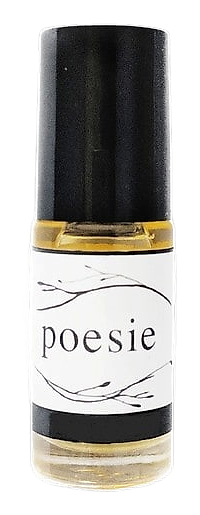
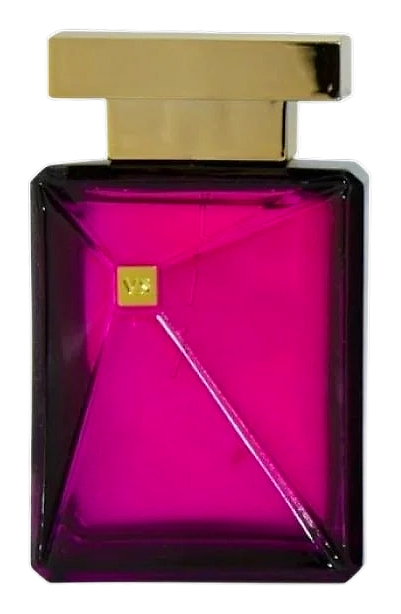
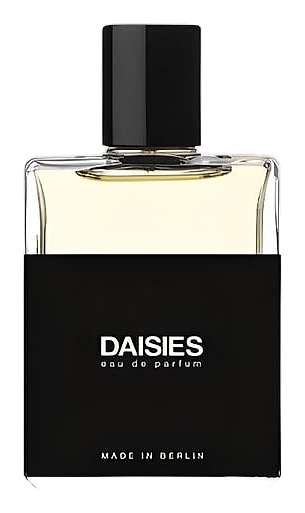
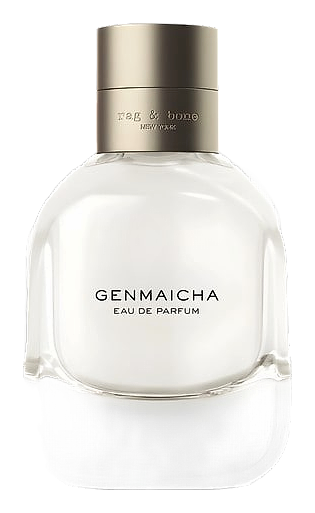

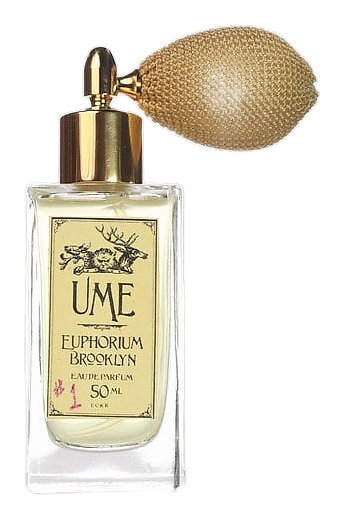
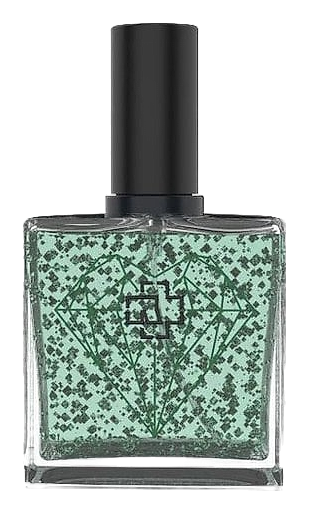

Brands
Brands known for Yuzu zest
Good to know
Questions, answered
The essentials on Yuzu zest in perfumery: how it smells, where it comes from, and how it behaves on skin.
What does yuzu zest smell like?
Yuzu zest delivers a bright, tart citrus character with floral and green undertones. Unlike standard lemon or grapefruit, it carries aromatic complexity with subtle herbaceous notes that add depth to fragrance compositions.
Is yuzu the same as yuzu zest?
Yes. Yuzu zest refers to the aromatic oil extracted from the fruit's outer peel. The zest contains the concentrated aromatic compounds that perfumers value most.
How is yuzu zest extracted?
Cold expression mechanically releases essential oils from the peel without heat. This preserves delicate aromatic compounds that heat-based methods would alter or destroy.
Why is yuzu zest expensive?
Yuzu trees produce small fruits with relatively low oil content compared to larger citrus varieties. Combined with thorny trees and hand-harvesting requirements, yield per fruit remains modest, driving up costs.
What fragrance families use yuzu zest?
Yuzu appears in citrus, aromatic, and fresh oriental compositions. It works well as a top note for immediate brightness or as a heart note when designers want sustained citrus presence.
Does synthetic yuzu exist?
Synthetic yuzu compounds exist, including various limonene derivatives and specialized aromatic molecules. Natural yuzu remains preferred for its complex, multi-layered aromatic profile.
Where does quality yuzu originate?
Japan, South Korea, and China produce the finest yuzu. Japanese yuzu from Kochi and Tokushima prefectures commands premium pricing due to exceptional aromatic concentration.
Can yuzu zest cause skin sensitivity?
Like most citrus peel oils, yuzu contains furanocoumarins that can cause photosensitivity. IFRA guidelines regulate its concentration in consumer products to ensure safe usage.