Candies
Candies in perfumery refers to sweet, edible aromatic materials that evoke confectionery and sugary treats. These notes range from natural vanilla and tonka to synthetics like ethyl maltol, creating warm, inviting scents reminiscent of sweets, caramel, and cotton candy.
Character
How it smells
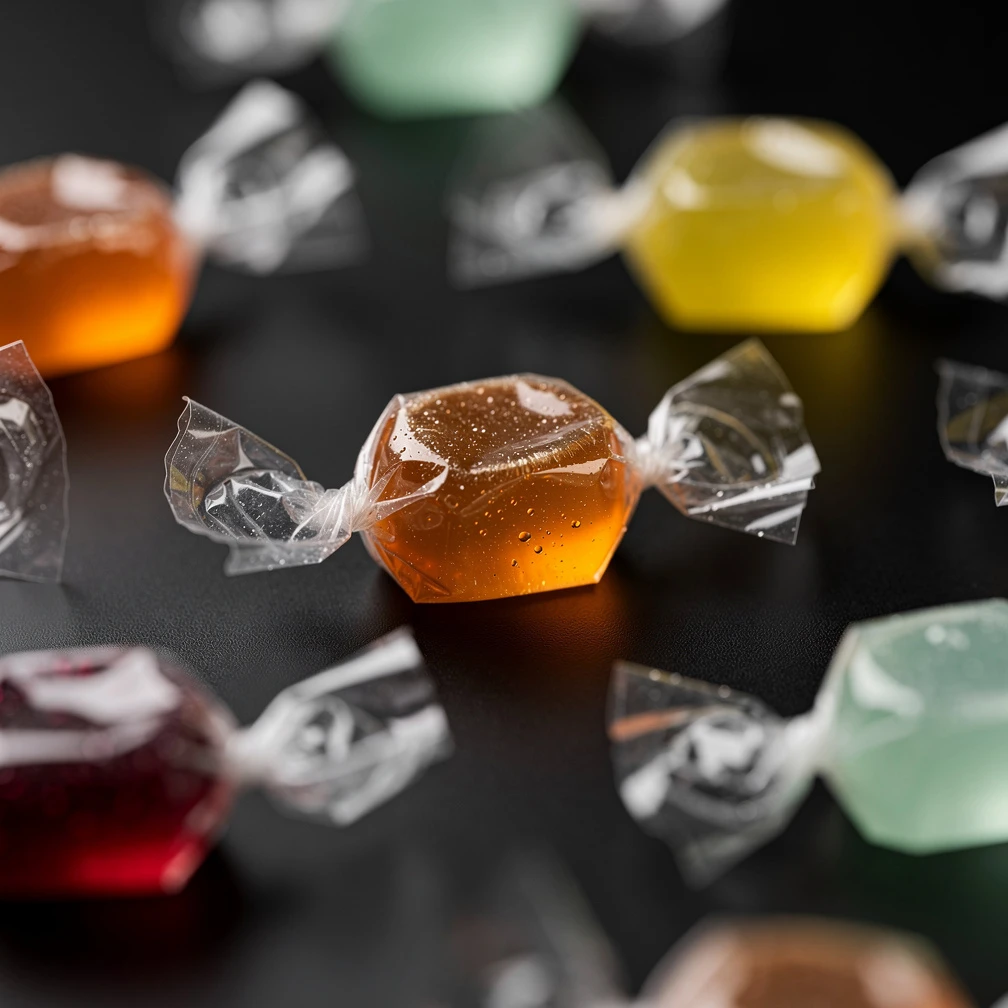
Sweet simplicity: the childhood memory distilled into liquid form.
Ethyl maltol, a common synthetic candy note, was first isolated from pine oil in the 1920s but now creates the sweet, caramel scent we associate with candy.








Origin
Multiple origins
The use of sweet notes in fragrance parallels the evolution of sugar in human culture. Before widespread sugar availability, perfumers relied on honey (captured by Arab craftsmen centuries ago) and naturally sweet resins like benzoin. The 19th century revolutionized candy fragrance with the isolation of key compounds: coumarin from tonka beans in 1823, vanillin from vanilla in 1858, and synthetic coumarin by 1868.
These discoveries enabled what perfumers call gourmand fragrances, scents that directly evoke edible treats. The movement gained momentum through the 20th century, with modern synthetic chemistry providing an ever-expanding palette of candy-like aromatics that have become staples in contemporary perfumery.
Wears it best
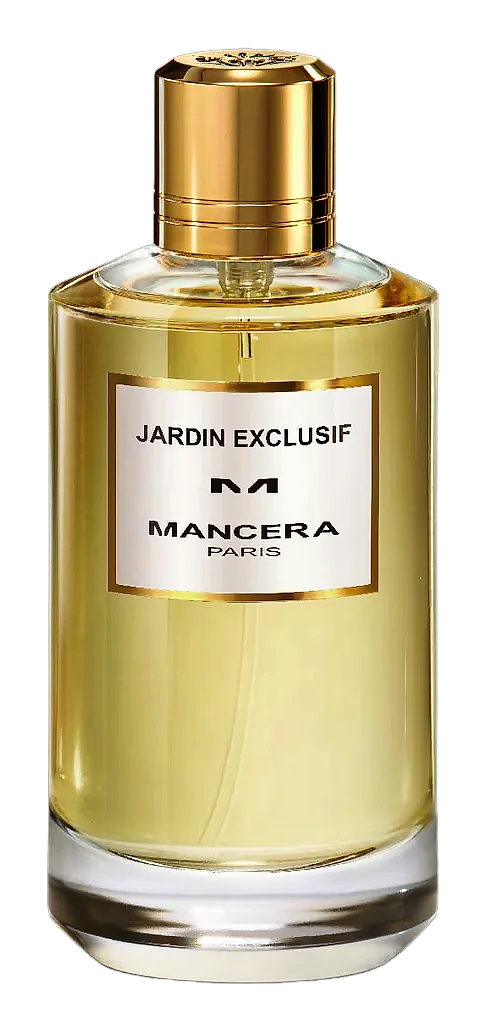
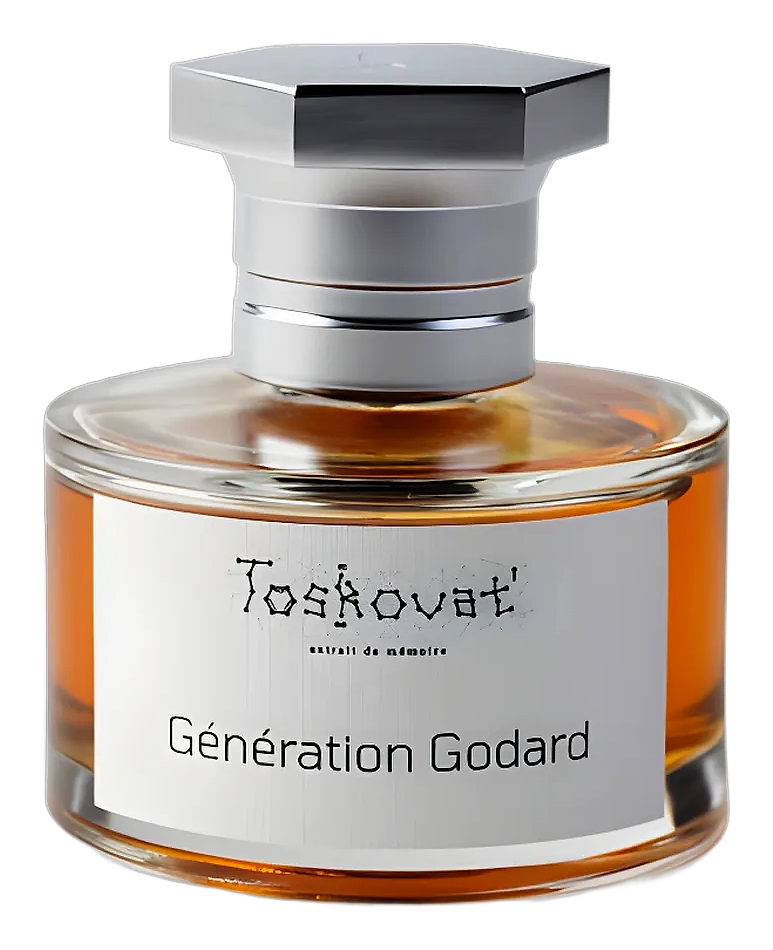
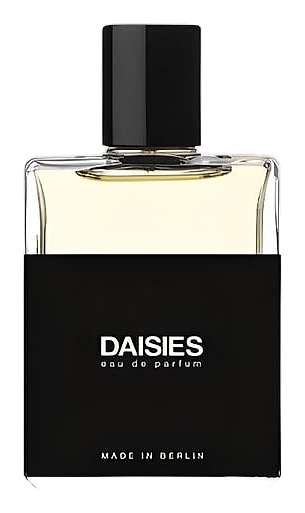
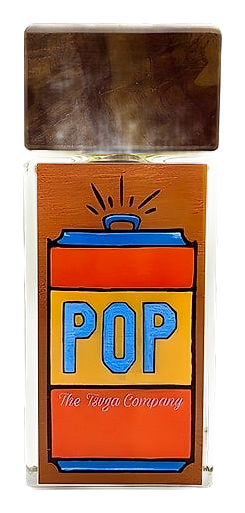
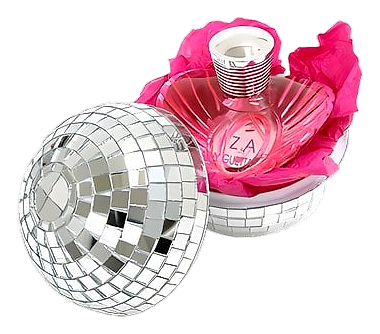
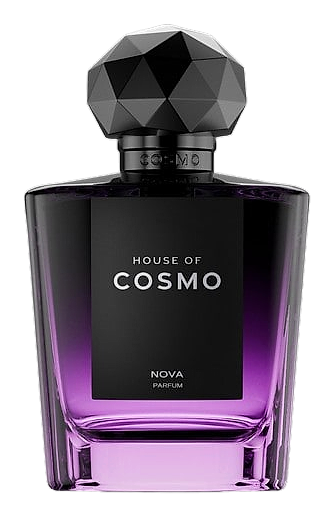
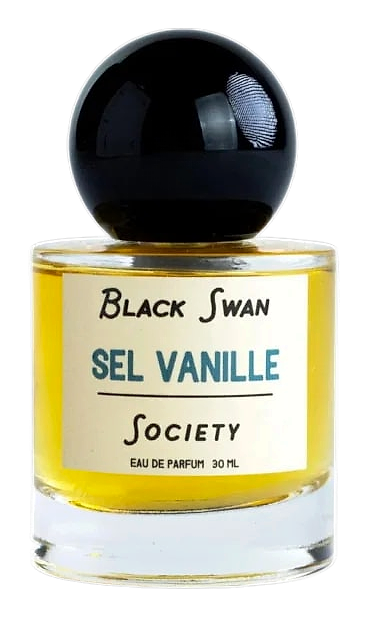
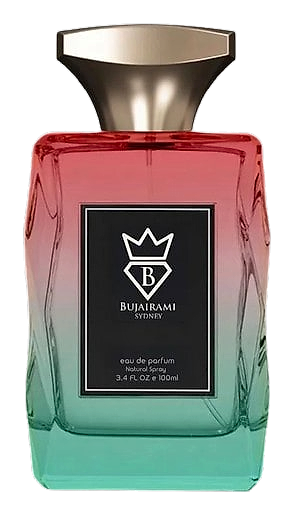
Fragrances featuring Candies
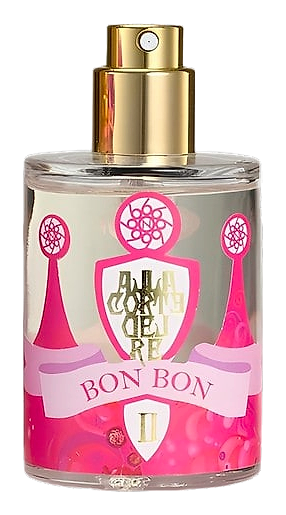
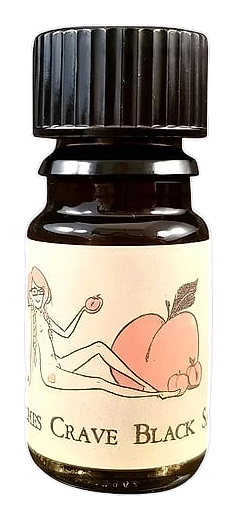
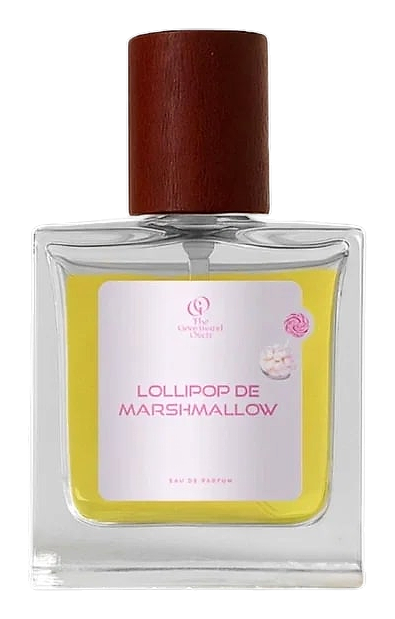
Brands
Brands known for Candies
Good to know
Questions, answered
The essentials on Candies in perfumery: how it smells, where it comes from, and how it behaves on skin.
What does Candies smell like in perfume?
Candy notes in perfume smell sweet and edible, evoking treats like caramel, cotton candy, vanilla fudge, or fruit confections. These materials create an immediate sense of warmth and indulgence. The specific character depends on which candy aromatic is used, from sugary to buttery to fruit-sweet variations.
Why is Candies used in perfumery?
Candy notes create immediate appeal and comfort in fragrances, triggering positive emotional associations. They act as anchors in the dry-down, providing longevity to the fragrance experience. Approximately 30% of modern fragrances incorporate some form of sweet confectionery note according to fragrance industry surveys.
Is Candies in perfume natural or synthetic?
Most candy notes in modern perfumery are synthetic. Materials like ethyl maltol, vanillin, and coumarin are typically lab-created for consistency and cost efficiency. Natural alternatives exist (vanilla absolute, tonka bean), but synthetic candy aromatics dominate the industry due to superior stability and olfactory impact.
What famous perfumes contain Candies?
Many popular fragrances feature candy notes: Thierry Mugler Angel uses candy and chocolate effects, Aquolikan incorporates sweet cotton candy character, and numerous warm florals layer in vanilla and caramel notes. The specific candy materials appear in fragrance pyramid descriptions and ingredient listings.
Is Candies a top note, heart note, or base note?
Candy notes function primarily as base notes, providing the warm, sweet dry-down that lingers on skin for hours. Some volatile candy aromatics (certain fruit esters) appear in top notes for immediate impact. The sustained sweetness of the dry-down typically comes from heavier, fixative-rich candy materials.
What notes pair well with Candies in perfume?
Candy notes pair well with vanilla, tonka, and benzoin for classic sweetness. They complement woody notes (sandalwood, cedar) by adding warmth, and contrast beautifully with citrus top notes for balance. Oriental fragrance families frequently combine candy notes with spices and resins for depth.
Where does Candies come from?
Candy fragrance materials originate from diverse sources: Madagascar and Indonesia produce vanilla beans, while coumarin historically came from Brazilian tonka beans. Synthetic candy materials like ethyl maltol are manufactured globally in fragrance chemical facilities. Natural benzoin resin flows from Styrax trees in Thailand and Laos.
Is Candies used in men's or women's fragrances?
Candy notes appear across gender categories in modern perfumery. While traditionally associated with feminine fragrances, men's fragrances increasingly incorporate sweet tobacco, caramel, and vanilla elements. Approximately 40% of unisex fragrances launched in recent years contain notable candy or sweet confectionery accords.