The Story
Why it exists.
The beginning
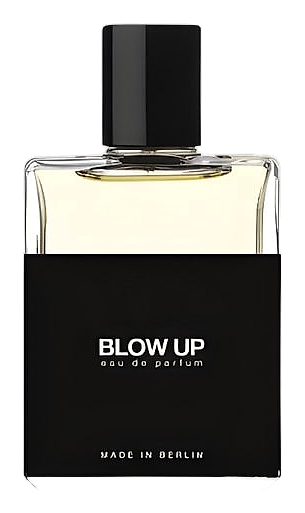
The fragrance now known as Blow Up existed before Moth and Rabbit did. It launched in 2015 under Folie à Plusieurs, the original collaboration between the brand's co-founders. When that partnership ended, the scent transferred to the Moth and Rabbit name, keeping its cinematic bones intact. The film it references is Michelangelo Antonioni's 1966 classic: a photographer who believes he's captured something real on film, only to find the evidence dissolves the closer he looks. Mark Buxton didn't want to bottle the entire movie. He wanted one scene. The oil painting. The one where reality becomes a question rather than an answer. That tension, what's real, what's suggested, what's merely material, became the creative brief.
The top notes are where this fragrance earns its name. Saffron arrives first: sharp, almost medicinal, with a metallic sweetness that can read as chemical depending on your nose. Absinthe follows, the Green Hour, not the drink, the memory of standing somewhere damp with something burning in the distance. Cassis and cardamom push against both, adding fruit and warmth to keep the opening from collapsing into pure abstraction. It's an unusual combination: bitter, sweet, spiced, and green all at once, held in suspension for the first twenty minutes like a developing photograph that hasn't revealed its subject yet.
The evolution
The opening hits hard and doesn't apologize for it. Saffron, absinthe, cassis, a trio that announces itself before asking permission. For about twenty minutes, it's all sensation and refusal to clarify. Then the incense arrives. It doesn't replace the saffron so much as swallow it, smoke rising through the composition, pushing the dry spices into the background where they become texture rather than character. Cedar needles and myrrh deepen the middle into something resinous and warm, the darkroom heat settling onto skin. By hour three, leather takes over. Not the clean kind, birch tar and labdanum give it a smoky, almost charred edge. Civet lingers underneath, animalic and close, the kind of note that only someone standing very near will detect. The drydown is intimate by design, lingering long after the initial assault has softened into something more personal and private.
Cultural impact
Blow Up draws its conceptual DNA directly from Antonioni's 1966 film of the same name, translating that visual provocation into olfactory form. The fragrance uses saffron and absinthe to create an opening that deliberately jars rather than welcomes, a confrontational character that echoes the film's refusal to explain itself. This boldness extends throughout the composition, from the sharp medicinal opening that some find polarizing to the smoky, resinous depths that emerge as the hours pass.