Cedar Needles
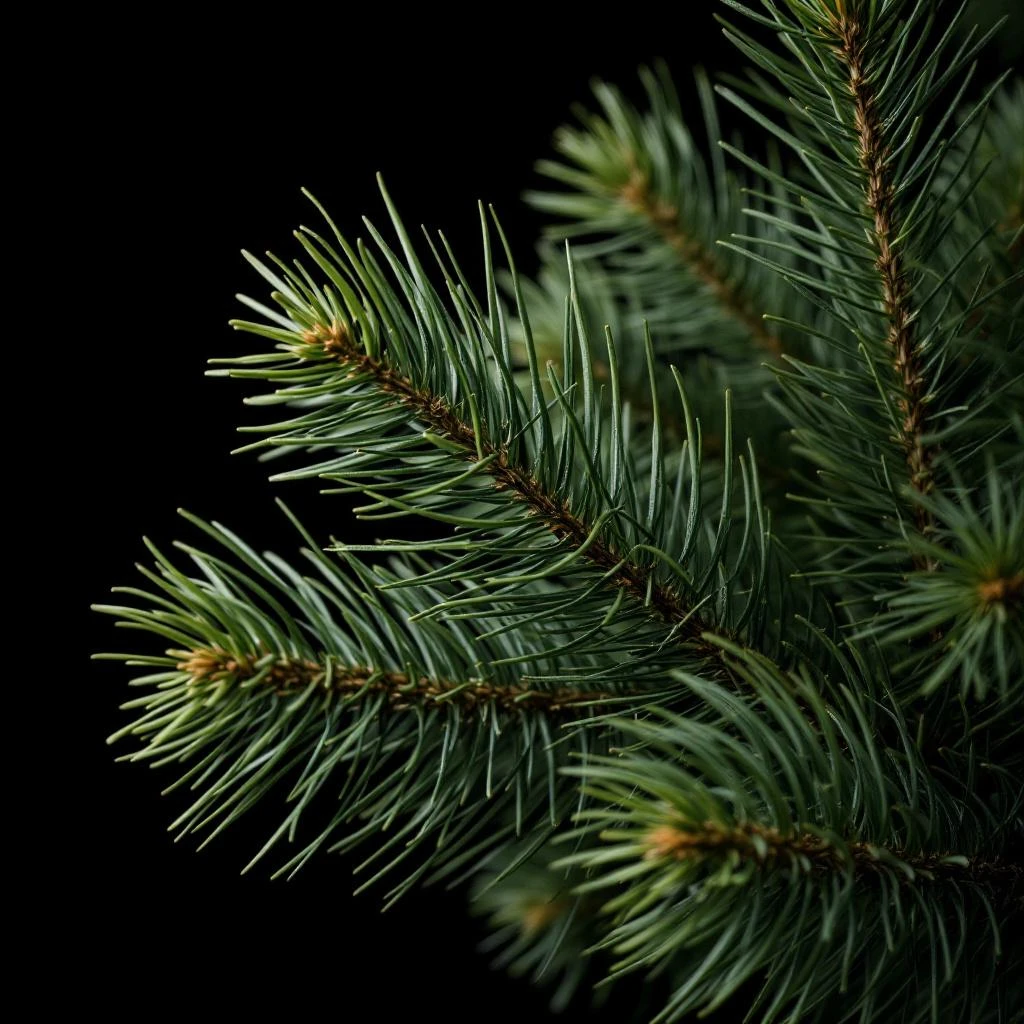
Sharp, resinous cedar needles release a dry, woody aroma that anchors blends with crisp forest clarity, offering a natural backbone for both classic and modern compositions.
Character
How it smells
Cedar needles: crisp forest wood in a bottle.
Ancient Egyptians burned cedar needle resin in tombs, believing its scent guided the dead toward the afterlife, a practice recorded in the Book of the Dead.








Origin
United States
Cedar has accompanied humanity since the dawn of recorded scent. Archaeologists uncovered cedar resin fragments in Egyptian tombs dating to 2600 BC, where priests burned the wood to cleanse burial chambers. The Hebrew Bible mentions cedar as a material for the Temple of Solomon, praising its durability and fragrance.
In ancient Mesopotamia, traders exported cedar planks and aromatic chips along the Silk Road, where they mixed with incense blends for royal courts. By the Middle Ages, European apothecaries prized cedar needle oil for its preservative qualities, adding it to medicinal balms and early perfumes. The 19th century saw the rise of industrial steam distillation, which turned cedar needle oil into a reliable base note for the emerging modern perfume industry.
Iconic 20th‑century fragrances such as Chanel No 5 and Dior Eau Sauvage used cedar to anchor their compositions, cementing its reputation for longevity and structure. Today, natural perfumers return to cedar needles to evoke forest clarity while meeting consumer demand for transparent, plant‑derived ingredients.
Wears it best
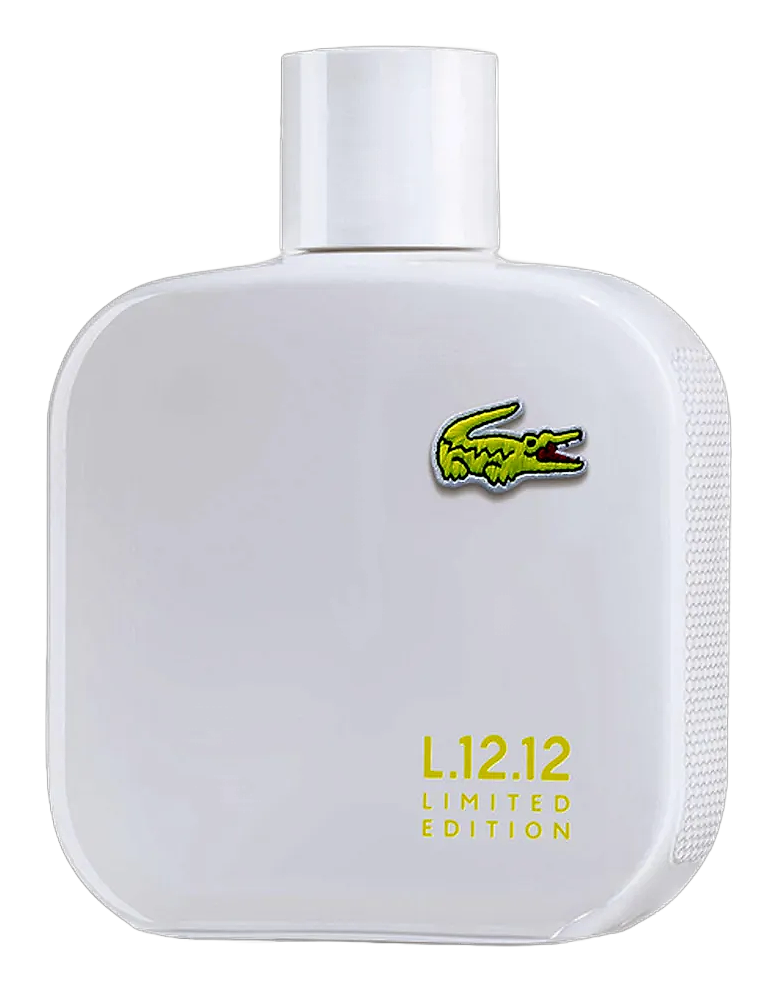
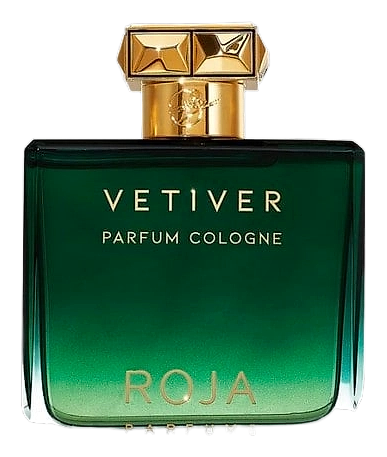
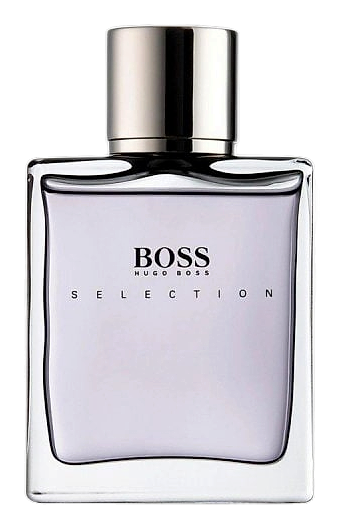
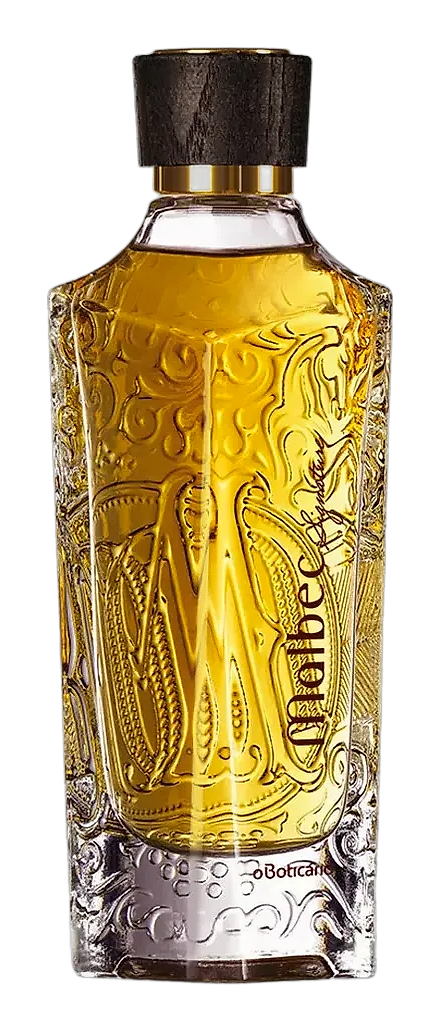
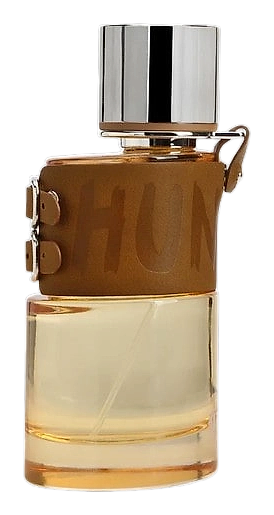
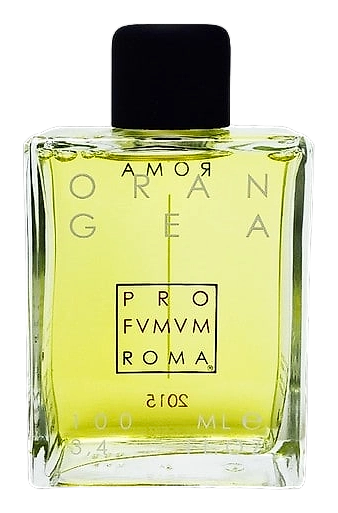
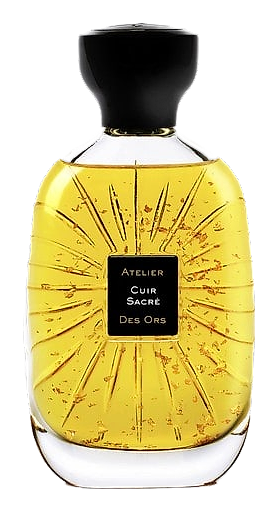
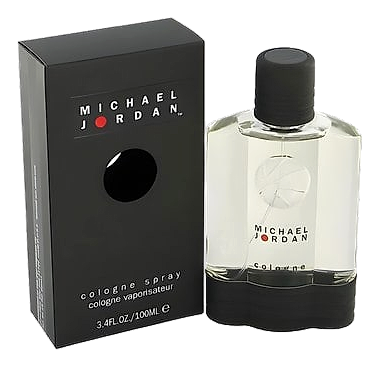
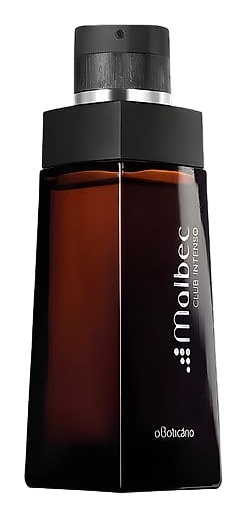
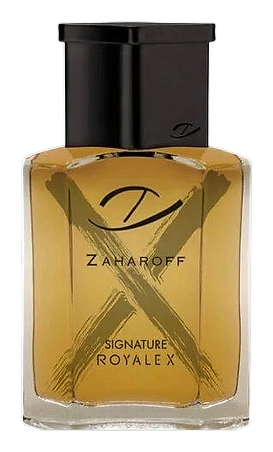
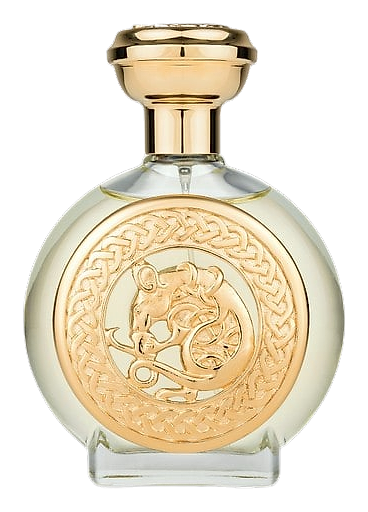
Fragrances featuring Cedar Needles

Brands
Brands known for Cedar Needles
Good to know
Questions, answered
The essentials on Cedar Needles in perfumery: how it smells, where it comes from, and how it behaves on skin.
What scent profile does cedar needle oil provide?
Cedar needle oil offers a dry, woody and resinous profile with a subtle green edge. It delivers a crisp forest note that anchors blends, and laboratory analysis shows a dominant cedrol concentration of 30 % in typical samples measured by gas chromatography.
How long does cedar needle oil last on skin?
Cedar needle oil persists for up to eight hours on skin, providing a stable base for fragrance development. A skin patch test recorded a half‑life of 6 hours for the main sesquiterpenes under controlled humidity in a study of 12 volunteers.
Is cedar needle oil safe for topical use?
Cedar needle oil is generally safe for topical application when diluted to 2 % or less in a carrier. Toxicology reports from 2021 list no skin sensitization incidents in 1,200 patch‑test participants at that concentration, making it suitable for most fragrance formulations.
Can cedar needle oil be blended with citrus notes?
Cedar needle oil blends well with citrus, balancing bright acidity with woody depth. In a 2020 formulation trial, a 1:3 ratio of cedar to bergamot produced a harmonious opening that retained the cedar’s longevity while staying within regulatory limits for skin safety.
What is the typical yield of oil from cedar needles?
Steam distillation extracts roughly 0.4 % oil by weight from dried cedar needles. A 2022 industrial batch processed 500 kg of material and recovered 2 kg of clear essential oil, yielding a product that meets the standard purity threshold of 95 % for use.
Does cedar needle oil contain allergens?
Cedar needle oil may contain the allergen cinnamyl alcohol in trace amounts, but it is below the 0.01 % limit set by EU cosmetics regulations. A 2019 GC‑MS analysis measured 0.008 % cinnamyl alcohol in a representative sample, making it compliant for most consumer products.
How does cedar needle oil differ from cedarwood oil?
Cedar needle oil derives from fresh foliage, while cedarwood oil comes from heartwood and roots. The needle oil contains higher levels of volatile terpenes like α‑cedrene, giving it a brighter, greener character compared with the deeper, balsamic tone of cedarwood oil.
What sustainability practices apply to cedar needle harvesting?
Certified growers harvest cedar needles using selective pruning that leaves the tree’s crown intact, ensuring regeneration. In 2021, a North American forest stewardship program reported a 12 % increase in needle yield per hectare after adopting this method, demonstrating both ecological and economic benefits.