
The Story
Why it exists.
The beginning
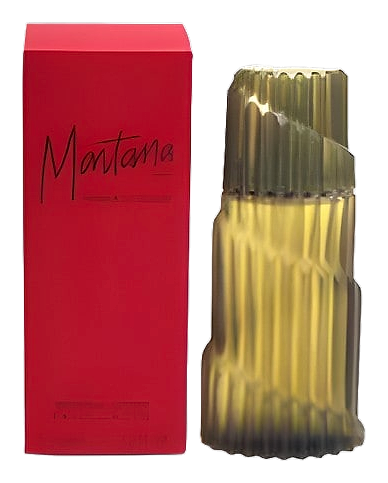
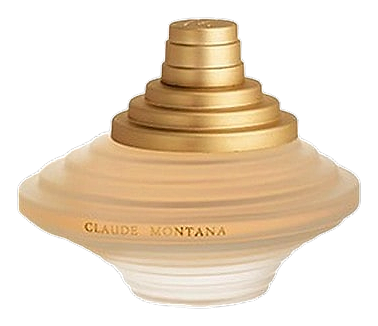
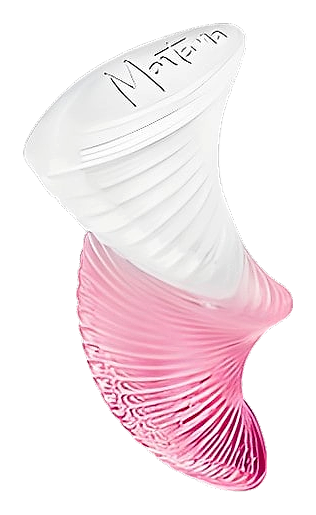
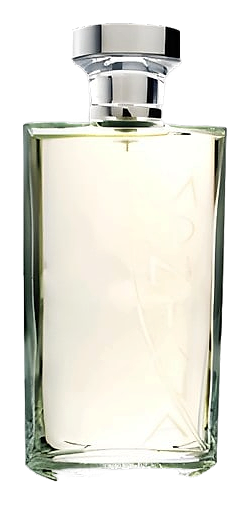
Malaita arrived in 2004 from the house of Claude Montana. This one carries his name's reach beyond couture into something lighter. Named for an idyllic island of Oceania, the fragrance translates that distant geography into a composition of water, fruit, and wood. The perfumer, Jean-Pierre Béthouart, built it as a floral aquatic, but the execution stays true to the house's sensibility. It's the kind of scent that feels like an entrance, even on a Tuesday. The opening snaps with citrus brightness, mandarin and bergamot giving way to a green sweetness threaded by hyacinth. Almost immediately the aquatic character floods in, carrying watermelon into a composition that reads wet and translucent.
What makes Malaita interesting is the tension between its two halves. The top and heart are pure clarity: bergamot, hyacinth, watermelon, water lily, the full vocabulary of clean. Then the drydown pivots into cedar, myrrh, sandalwood, and a warm resinous base. That shift from transparent to grounded is where the composition lives. The marine notes give it lift, but the cedar and myrrh keep it from dissolving into air. The watermelon is the unexpected note, a dewy sweetness that keeps the aquatic character reading soft and inviting.
The evolution
The opening belongs to the top notes. Mandarin and bergamot crack open bright, with hyacinth threading a green, almost metallic sweetness underneath. It's a cool splash. The aquatic elements and watermelon arrive fast, turning the opening into something that smells like clean linens drying in salt air. The florals begin to surface as the composition develops, pushing the watermelon further into the background. A floral softness starts to replace the initial clarity, and the scent shifts from sheer to something more rounded. This is the transition point where the character changes its mind. The jasmine and violet add a powdery dimension that softens what came before, and the whole composition rounds its shoulders a little. Over the next several hours, the base takes over. Cedar and myrrh bring a warm, resinous weight. Sandalwood smooths everything out.
Cultural impact
Malaita sits in a quieter corner of the Montana catalogue, away from heavier offerings like Parfum de Peau. It's a daytime composition, an office composition, and that restraint gives it a distinct energy within the house's lineup. Wearers tend to gravitate to it for its balance, a fragrance that opens with transparent clarity and settles into grounded warmth without ever tipping into excess. The discontinued status has given it a quiet collector interest. It occupies a rare position in fragrance: clean enough to wear in any professional setting, yet layered enough to reward closer attention.
The House
MontanaMontana is a French fragrance house born from the fashion house of designer Claude Montana. Established in Paris in 1979, the brand translated the designer's sharp, architectural aesthetic into a collection of bold scented compositions. Montana perfumes are recognized for their powerful, animalic character, particularly in foundational releases like Parfum de Peau from 1986. The house occupies a distinctive position in French perfumery, offering scents that embody the same provocative elegance that defined Claude Montana's haute couture. Each fragrance carries forward the designer's commitment to strong silhouettes translated into olfactory form, appealing to those who appreciate audacious, well-structured perfumes with a sensual edge.
The Creator
Jean-Pierre BéthouartBéthouart's work tends toward warm, enveloping textures that linger close to the skin. He is particularly adept with contrasts between crisp top notes and creamy, almost powdery bases, a tension that gives his creations their characteristic push and pull.