The Story
Why it exists.
The beginning
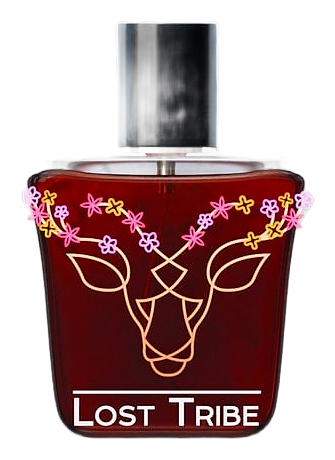
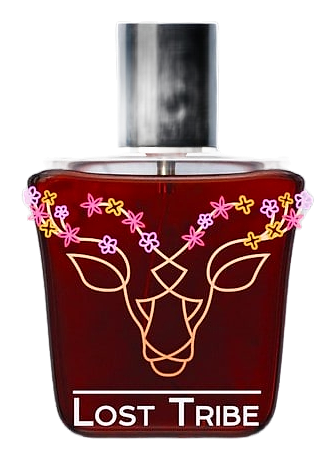
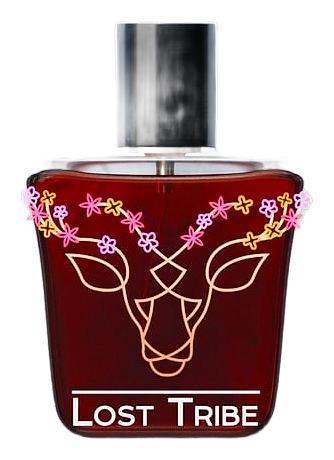
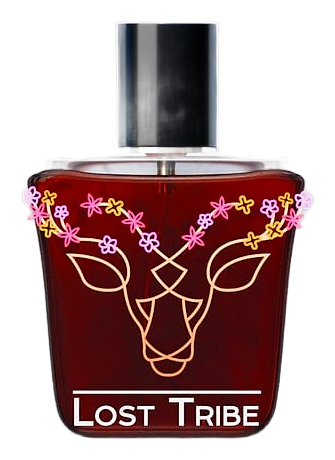
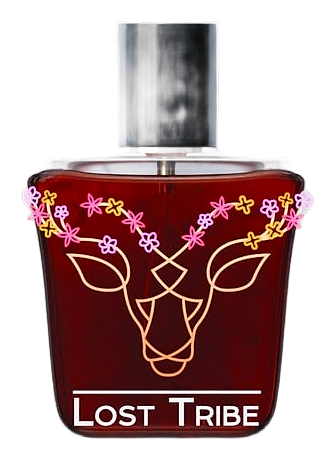
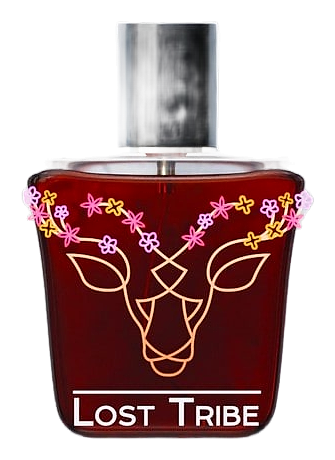
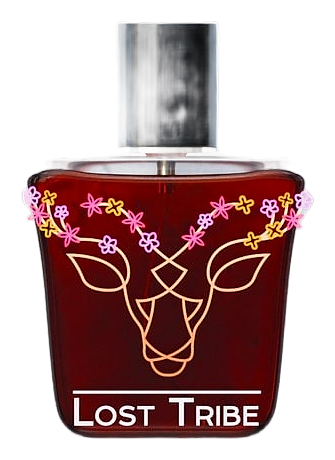
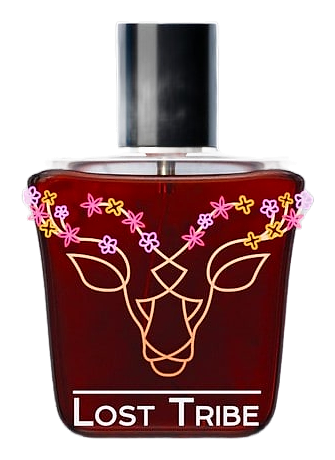
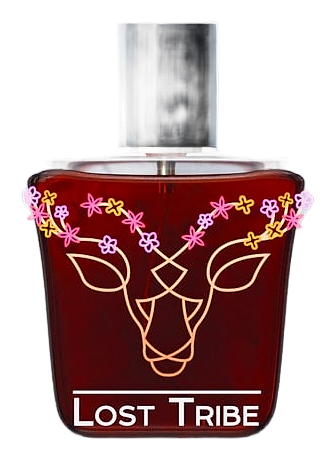
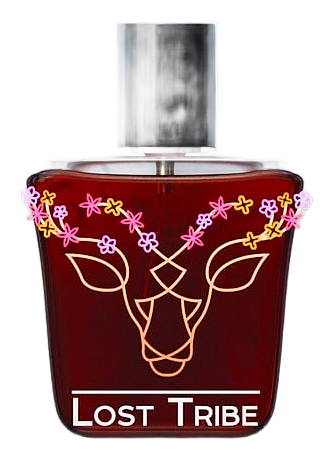
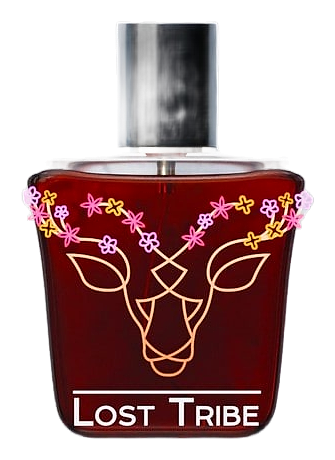
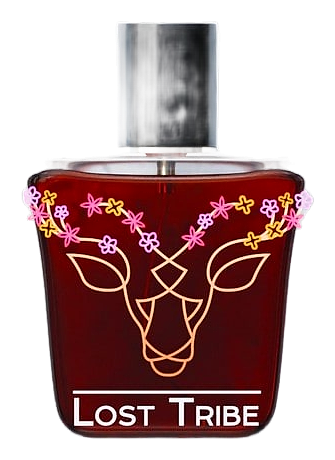
Zilla arrived in 2026 from Mathew Schmuelian, the perfumer behind Lost Tribe's creative direction. Where the house's earlier releases leaned on place names like The Hamptons and Dubai, this one carries a name that leaves its meaning open. Read it through the juice: something wild moving through citrus and white flowers, with a bright opening followed by warmer floral and animalic notes. Schmuelian's answer stacks lemon and grapefruit at the front, then drops gardenia and civet into the shade of that brightness. A green heart of litsea cubeba, callitris columellaris, neroli, and rosewood takes over, combining leafy notes with a clean citrus bloom and rounded wood.
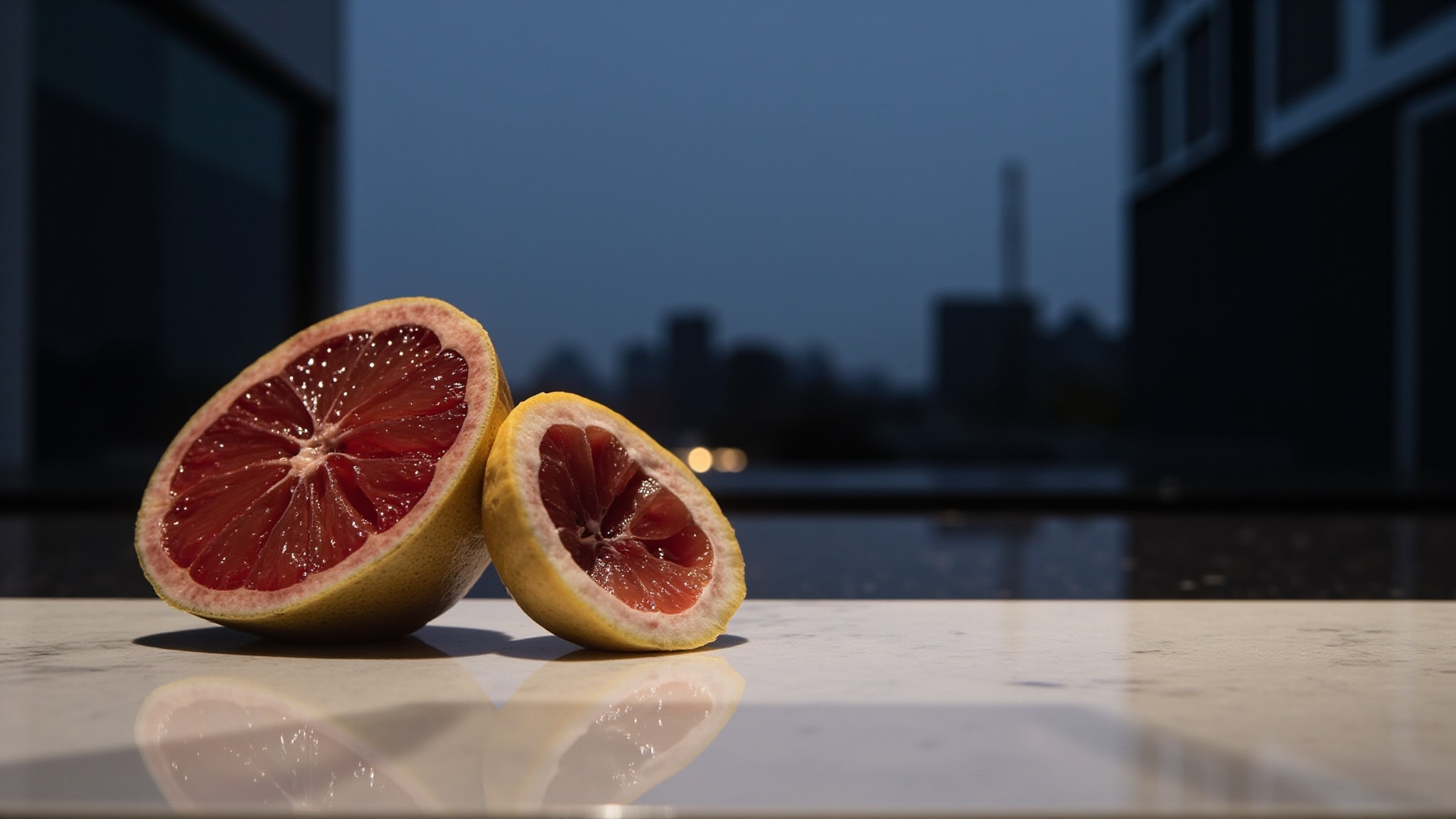
What makes Zilla worth trying is the argument it stages between citrus and animalic notes. Lemon and grapefruit give the opening its glare, then civet complicates it as the composition develops. Gardenia and rose otto keep the middle lush, with white floral richness sitting against the more distinctive warmth of civet. Litsea cubeba adds a green, almost metallic snap, while callitris columellaris introduces a sharp, natural woodiness into the heart. Neroli brings a clean citrus bloom that sits comfortably between the brighter opening and the greener middle.
The evolution
The opening is built around sharp lemon and grapefruit, with the citrus notes projected clearly before the composition moves toward civet and gardenia. As those warmer floral and animalic notes develop, the fragrance takes on a richer character, balancing the brightness of citrus with a less immediate and more textured middle. White ambergris and rose otto help hold that section together, while civet keeps the floral notes from settling into a simple, conventional bouquet. The heart introduces litsea cubeba, callitris columellaris, neroli, and rosewood. Litsea cubeba contributes a green, almost metallic quality, callitris columellaris brings a distinctive natural woodiness, and rosewood adds smooth depth beneath the neroli's clean citrus bloom. The late drydown turns decisively woody, with costus root and cedarwood going dry and earthy.
Cultural impact
Zilla invites exploration through its unconventional pairing of bright citrus with animalic and floral notes. Lemon and grapefruit establish an immediate opening, but gardenia, civet, rose otto, and white ambergris give the composition a richer direction. Litsea cubeba, callitris columellaris, neroli, and rosewood extend that movement into green, woody territory, while costus root, cedar, Papua oud, and Sichuan pepper shape the base.
The House
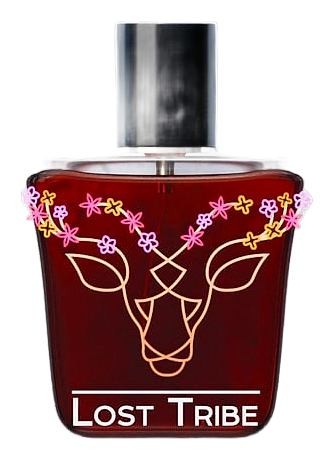
Lost TribeLost Tribe Perfumes is a New York‑based niche house that builds its identity around the unfiltered scent of the wild. The brand’s public statements stress a mission to reconnect wearers with the raw beauty of nature, and its catalogue reflects that aim with a steady stream of location‑inspired and narrative‑driven releases. From the coastal breezes evoked by The Hamptons (2025) to the desert heat captured in Dubai (2025), each fragrance is presented as a miniature landscape, crafted for collectors who value depth over trend. The house positions itself in the ultra‑niche segment, favoring natural ingredients and small‑batch production, and it maintains an active dialogue with its community through social platforms where enthusiasts share impressions and pairings.
The Creator
Mathew SchmuelianMathew’s style leans toward unisex blends that balance bright fruit with grounded woods. He often starts with a single natural note—ripe mango, smoked tobacco, or wild rose—and builds layers that echo its texture.