The Story
Why it exists.
The beginning
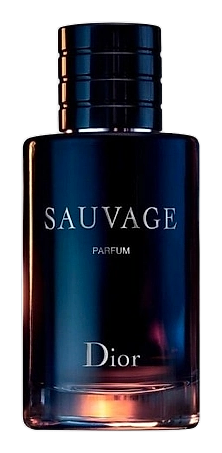
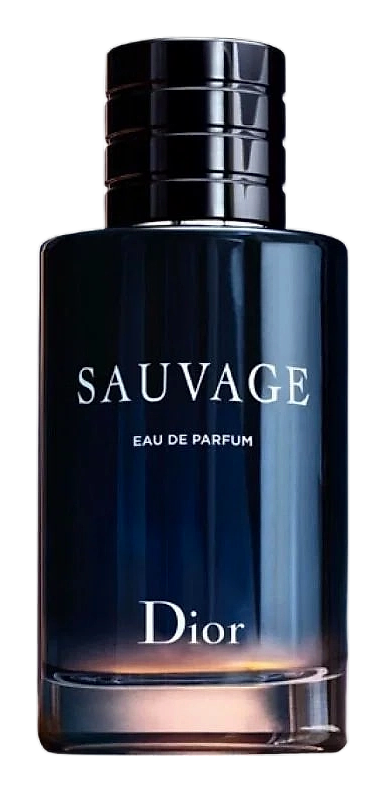
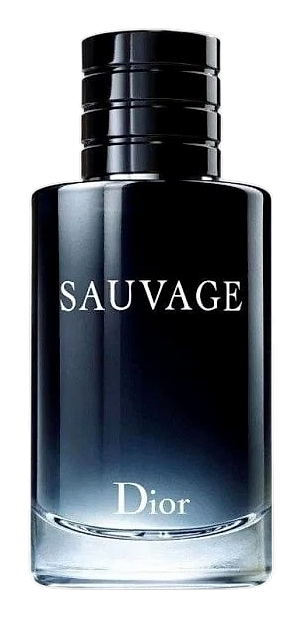
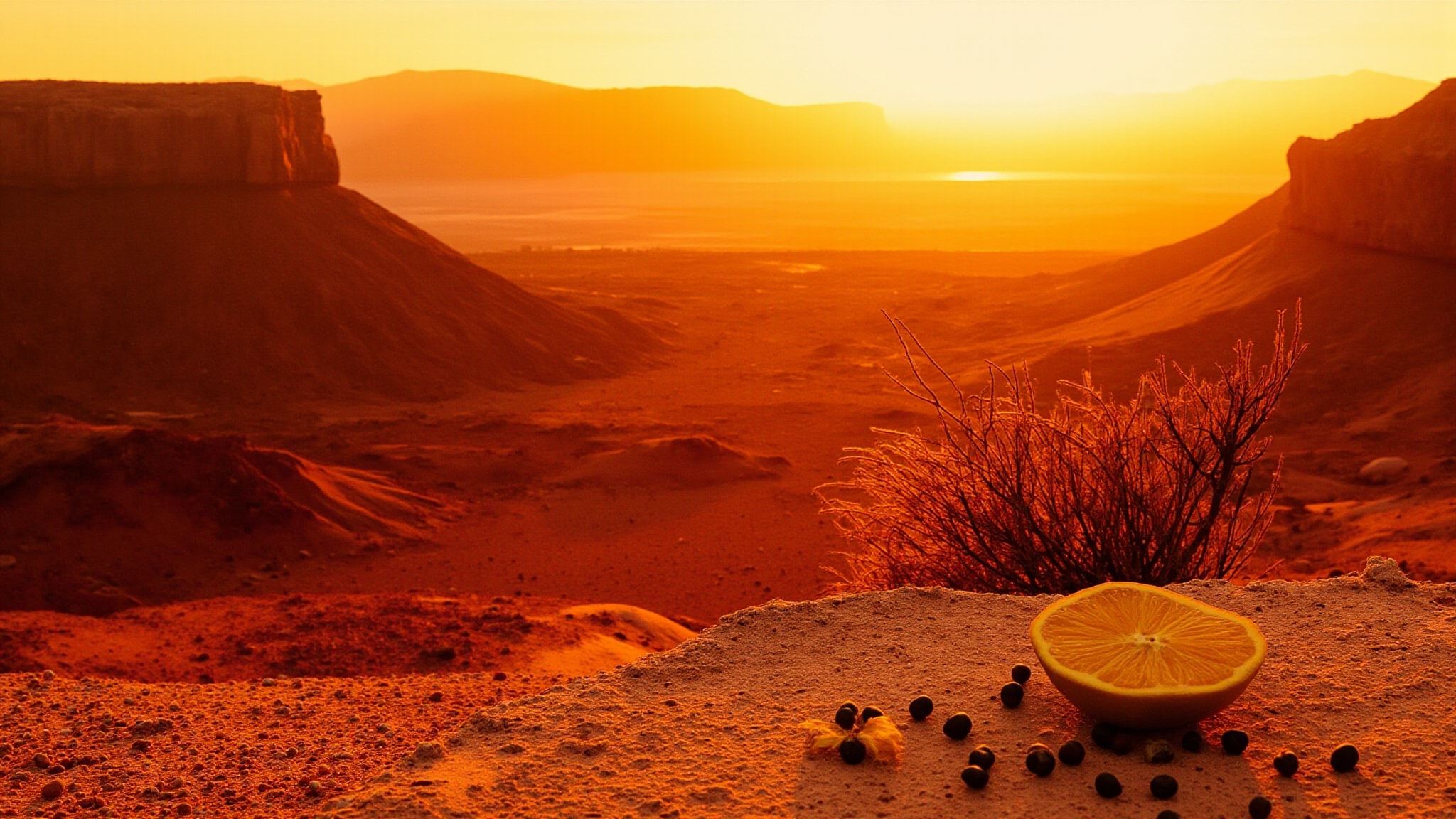
Sauvage landed in 2015 with François Demachy at the wheel, and the timing wasn't accidental. Dior already had a masculine icon in Eau Sauvage, a 1966 composition that essentially rewrote what fresh masculine perfumery could smell like. Nearly fifty years later, Demachy wasn't trying to rewrite it again. He wanted something rawer, more immediate, more of-the-moment. The name itself, French for wild, untamed, pointed at something elemental rather than polished. Demachy built it around Calabrian bergamot and a pepper note that hits you before you've registered anything else. The brief was clarity with bite. A fragrance that didn't ask permission.
What makes the structure interesting is how few notes carry the whole thing. Ambroxan, a synthetic molecule designed to evoke ambergris, does double duty in both the opening and the base, which gives the composition a strange continuity. Most fragrances shift mood as you move through the pyramid. Sauvage holds a single temperature. The Sichuan pepper provides that almost electric tingle, while the vetiver and patchouli in the base keep everything grounded in earth rather than air. It's a tightrope, and Demachy calibrated it with precision.
The evolution
The first spray is a burst. Calabrian bergamot cuts through, sharp and bright, and right behind it the Sichuan pepper arrives like static. Within two minutes, the whole thing reads as one clean, cold signal. No mystery yet. Around the fifteen-minute mark, something shifts. The lavender and elemi warm up underneath, and the pepper settles from electric to aromatic. The Ambroxan starts pulling weight here, softening the edges without dulling them. By hour two, you're in the drydown: vetiver and patchouli take over, but they don't go heavy. The Ambroxan keeps the base luminous, almost mineral. What's surprising is how long the pepper ghost lingers. On fabric the next morning, you'll catch a faint trace of that opening brightness, as if the fragrance left a bookmark.
Cultural impact
Sauvage became one of the best-selling men's fragrances in the world within a few years of its 2015 launch. The Johnny Depp advertising campaign gave it a specific cultural register: rugged, cinematic, a little outlaw. It's the fragrance that showed a luxury house could own the mass-premium masculine space without diluting its identity. Walk through any airport and you'll smell it, which is either its greatest achievement or its biggest criticism, depending on who you ask.