
The Story
Why it exists.
The beginning
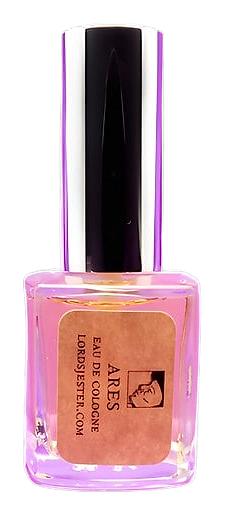
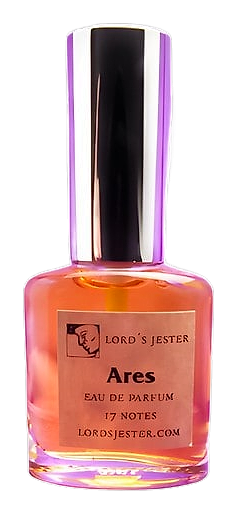
Ares takes its name from the Greek god of war, and Adam Gottschalk built the fragrance around that restless mythology rather than a literal battlefield image. The opening brings brisk Petitgrain and Orange Blossom into contact with Cedar, Fir, Pink Pepper, and Brazilian Rosewood. That polished tension sets the terms: fragrance as discipline, structure, and controlled force. As the bright opening settles, Jasmine, Lavender, and Rose introduce a fuller floral character, balancing the vivid citrus and pepper with softness. The composition then moves toward Ambrette, Benzoin, French Labdanum, Styrax, Vanilla, and Ambergris, building a warm base of resinous sweetness, smooth vanilla, and subtle woody depth.
What makes Ares worth studying is the collision of surfaces. Petitgrain and Pink Pepper bring a brisk snap, sharpened by the clean heat of pepper. Brazilian Rosewood adds polished wood, while Orange Blossom keeps the opening lucid rather than heavy. The floral heart changes the temperature: Jasmine, Lavender, and Rose bring a polished white-floral softness into the composition. Then the base turns sculptural. Benzoin, French Labdanum, Styrax, and Ambrette supply resinous sweetness, while Ambergris and Vanilla give the drydown warmth and weight.
The evolution
The first impression is brisk and architectural. Petitgrain and Orange Blossom cut through Cedar, Fir, and Brazilian Rosewood, while Pink Pepper adds a clean flash of heat. As those notes recede, Jasmine, Lavender, and Rose take over with a fuller, aromatic floral center. The composition's character changes again as it dries down. Benzoin, French Labdanum, Styrax, and Ambrette gather into a sweet balsamic trail, softened by Vanilla and grounded by Ambergris. Cedar and Styrax leave a woody, resinous trace, like polished wood with a thread of incense. Over time, the opening loses its sharp edges, while the floral heart gives way to a warm, quietly smoky signature described as long-lasting.
Cultural impact
Ares is listed for women and men, with accords that include amber, woody, white floral, aromatic, balsamic, fresh, spicy, sweet, rose, lavender, and citrus. Its Greek mythological name gives the fragrance a clear narrative frame, while its note structure creates an equally deliberate arc. Petitgrain and Orange Blossom establish a fresh opening against Cedar, Fir, Pink Pepper, and Brazilian Rosewood. Jasmine, Lavender, and Rose soften the composition with an aromatic floral heart before Ambrette, Benzoin, French Labdanum, Styrax, Vanilla, and Ambergris form a warm base.
The House
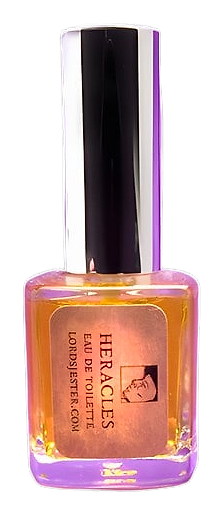
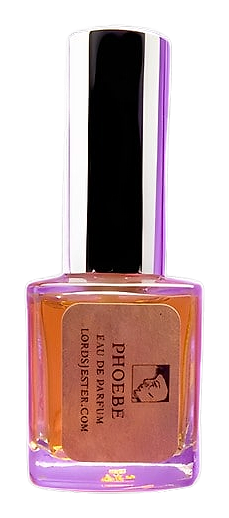
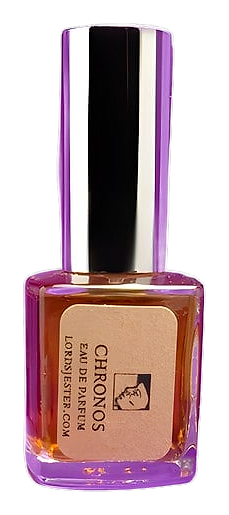
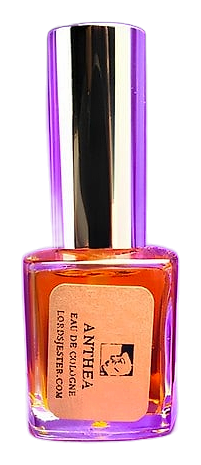
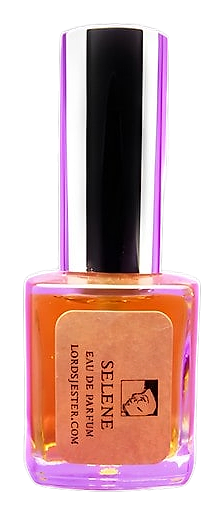
Lord's JesterLord's Jester is an independent natural perfumery founded in 2009 in Manhattan by Gottschalk. Every fragrance in the line is composed without synthetic materials, drawing instead on botanical aromatics, absolutes, and traditional extraction methods. The catalog reads like a roll call of Greek mythology, with compositions named Selene, Helios, Aphelia, Daphne, Ares, Chronos, Zephyr, Anthea, and Phoebe, each offered in concentrated formats. Operating at a deliberately small scale, the house has earned a following among natural perfumery enthusiasts who appreciate its commitment to all-nature formulations.
The Creator
Adam GottschalkGottschalk's signature rests in rich, resinous botanicals, with oud serving as a foundational pillar in much of his work. He gravitates toward absolutes and traditionally distilled materials: myrrh, frankincense, and other ancient resins appear throughout his catalog.