
The Story
Why it exists.
The beginning
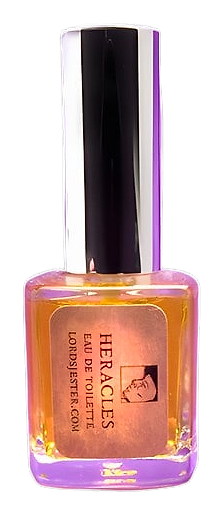
Heracles takes its name from the ascended son of Zeus, a figure defined by extraordinary strength, courage, ingenuity, and the kind of sexual prowess that made the myths memorable. The composition translates that legend into scent, building around one of natural perfumery's most rarefied botanical materials: boronia. Seventeen notes shape the architecture of the juice, each one chosen with the gravity the name demands. Boronia anchors everything, carrying its unusual floral-cinnamon warmth through every phase of the wear. It opens with a brisk aromatic charge, settles into a layered heart of florals and herbs, then grounds itself in a base of resins and musks.
Boronia is the headline material here, and it's the kind of ingredient most modern compositions will never touch. The absolute demands specific harvesting conditions, yields unpredictably, and costs accordingly. In the opening, rosewood, geranium, and pink pepper build a dry, peppery aromatic frame that carries forward into the heart. Lavender, rose, jasmine, and African orange flower layer against boronia, each contributing a different facet of floral weight without crowding the central material.
The evolution
The opening reads sharp and herbal: pink pepper and rosewood give the first impressions a dry, peppery crack. Geranium softens the edges, pulling things toward something floral but never sweet. The lavender soon arrives and brings its aromatic clarity, while boronia asserts itself as the composition's gravitational center, an unusual material with a warmth that reads almost spiced, threading through everything that follows. Rose and orange flower build body in the heart without tipping into indolic territory, and jasmine runs quietly beneath the surface, present but never insistent. As the hours pass, the resins take the floor. Labdanum and styrax build a smoky backbone while benzoin and sandalwood smooth the structure from underneath. Eventually the drydown settles into amber, ambrette, and sandalwood territory: warm, musky, and skin-close.
Cultural impact
Heracles sits within a mythology-named catalog of compositions from a house that works quietly, outside the industry's most visible channels. The boronia at its center marks it as something uncommon in modern perfumery, an ingredient with harvesting demands and a cost structure that keeps it out of most formulations. Wearers of the fragrance tend to be people drawn to scent as material study, interested in the botanical origins and the structural choices rather than the branding around them.
The House
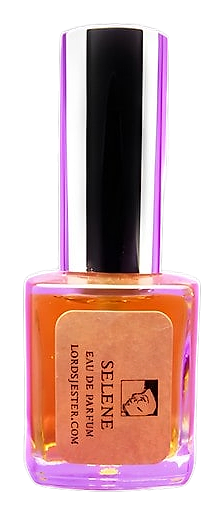
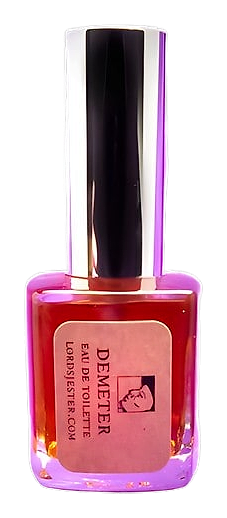
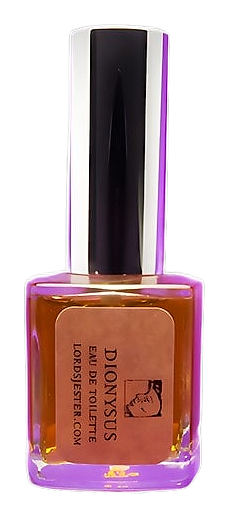
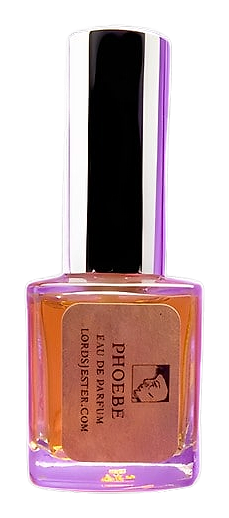
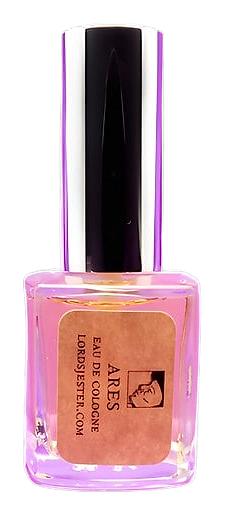
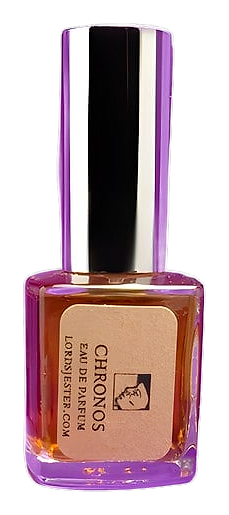
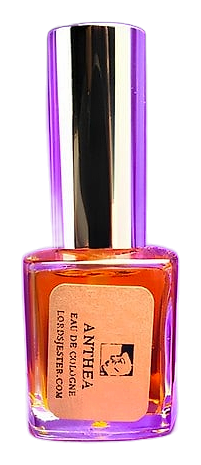
Lord's JesterLord's Jester is an independent natural perfumery founded in 2009 in Manhattan by Gottschalk. Every fragrance in the line is composed without synthetic materials, drawing instead on botanical aromatics, absolutes, and traditional extraction methods. The catalog reads like a roll call of Greek mythology, with compositions named Selene, Helios, Aphelia, Daphne, Ares, Chronos, Zephyr, Anthea, and Phoebe, each offered in concentrated formats. Operating at a deliberately small scale, the house has earned a following among natural perfumery enthusiasts who appreciate its commitment to all-nature formulations.
The Creator
Adam GottschalkGottschalk's signature rests in rich, resinous botanicals, with oud serving as a foundational pillar in much of his work. He gravitates toward absolutes and traditionally distilled materials: myrrh, frankincense, and other ancient resins appear throughout his catalog.