The Story
Why it exists.
The beginning
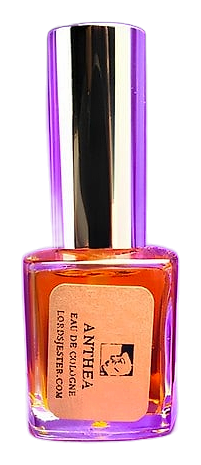
Anthea was launched during the 2000s, with its release year listed as unknown by Parfumo, and was composed by Adam Gottschalk. Its floral brief is built on jasmine, lifted with petitgrain, complicated by rose and clary sage, then grounded in iris and amber. Seven notes in total, with no filler additions. The composition brings together a soft floral center, green citrus lift, herbal complexity, rose, and a powdery base. Its character comes from the contrast between the listed materials: jasmine and rose provide the floral dimension, petitgrain introduces a sharper green note, clary sage adds an herbal accent, while iris and amber settle the composition with a drier, warmer foundation.
The interesting part is the ratio. Jasmine forms the floral center of Anthea, while rose and clary sage balance the composition with their distinct floral and herbal characters. Petitgrain brings a green, lightly bitter quality to the jasmine sweetness. Iris root powder and amber form the base, giving the fragrance a lower-register finish with powdery and warm dimensions. It's a composition that balances softness with greenness, floral richness with herbal definition.
The evolution
Anthea combines jasmine, rose, petitgrain, clary sage, iris, and amber in a floral structure with a distinctly green edge. Petitgrain contributes a crisp, leafy quality, while jasmine and rose supply the soft floral heart. Clary sage adds an herbal dimension with a clean, slightly peppered character. Together, these notes create a layered aroma: green and bitter at first, more floral through the middle, and increasingly soft and powdery toward the base. Iris gives the composition a suede-like texture, and amber adds warmth beneath it. As the fragrance wears, the jasmine and rose remain the most recognizable floral elements, while petitgrain and clary sage preserve a herbaceous edge. The iris and amber create a lasting soft base with a faint sweetness, keeping the overall impression balanced between floral, green, powdery, and warm notes.
Cultural impact
Anthea draws its character from a compact floral palette built around jasmine, rose, petitgrain, clary sage, iris, and amber. The jasmine gives the composition a clear floral identity, while petitgrain introduces a green, lightly bitter edge. Rose adds fullness, and clary sage contributes a clean herbal accent. Iris and amber shape the base with powdery texture and warmth. Together, the seven listed notes create a fragrance that rewards attention to detail. It can be appreciated for the contrast between soft florals and green elements, or for the way iris and amber lend the composition a quieter, more tactile quality.
The House
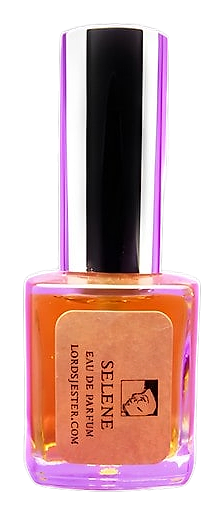
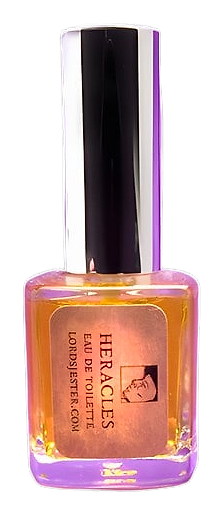
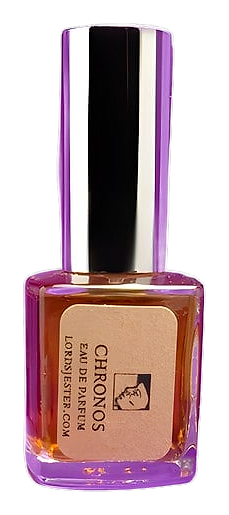
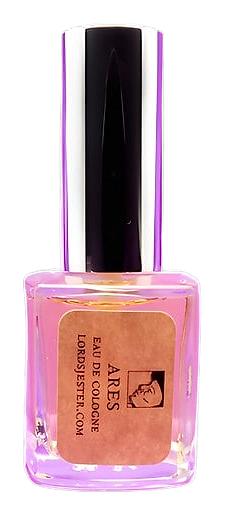
Lord's JesterLord's Jester is an independent natural perfumery founded in 2009 in Manhattan by Gottschalk. Every fragrance in the line is composed without synthetic materials, drawing instead on botanical aromatics, absolutes, and traditional extraction methods. The catalog reads like a roll call of Greek mythology, with compositions named Selene, Helios, Aphelia, Daphne, Ares, Chronos, Zephyr, Anthea, and Phoebe, each offered in concentrated formats. Operating at a deliberately small scale, the house has earned a following among natural perfumery enthusiasts who appreciate its commitment to all-nature formulations.
The Creator
Adam GottschalkGottschalk's signature rests in rich, resinous botanicals, with oud serving as a foundational pillar in much of his work. He gravitates toward absolutes and traditionally distilled materials: myrrh, frankincense, and other ancient resins appear throughout his catalog.