The Story
Why it exists.
The beginning
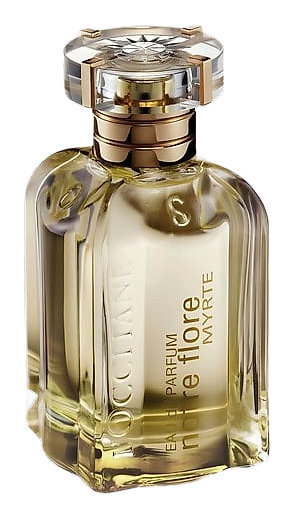
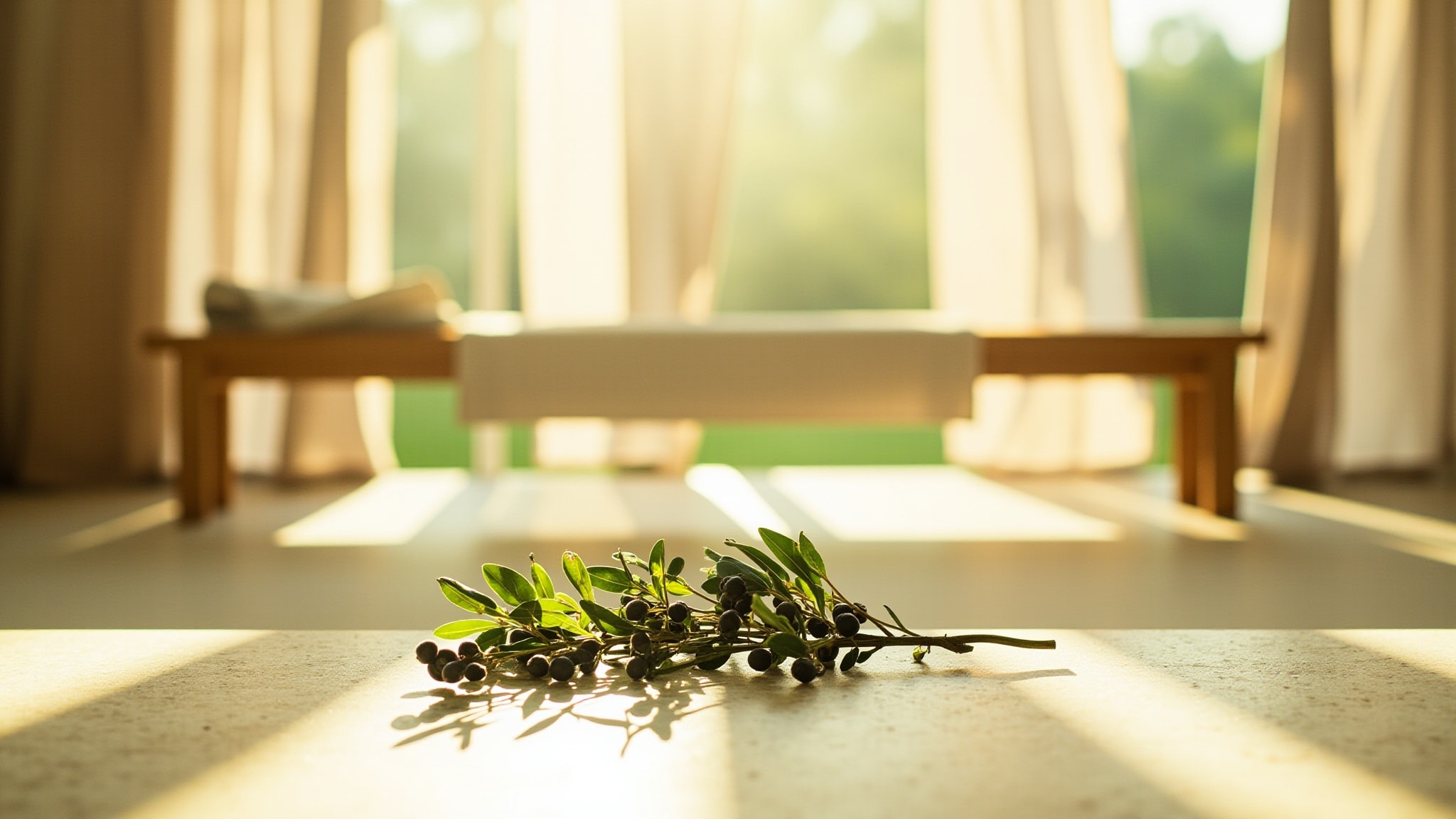
Notre Flore Myrte was released in 2007 as part of L'Occitane en Provence's botanical exploration of the myrtle plant. The perfumer, Karine Dubreuil-Sereni, built the composition with the herb leading the way rather than softening it into something sweet. Myrtle carries a bitter-green identity, resinous and direct, and the fragrance lets that quality speak for itself rather than burying it under fruit or gourmand sweetness. The result is a green-aromatic that doesn't apologize for its strangeness. Dubreuil-Sereni is known for working with natural materials in a way that keeps their rougher edges intact, and Myrte reads like one of her more uncompromising compositions.
What's interesting here is what Dubreuil-Sereni chose to leave out. No gourmand sweetness, no heavy amber. The composition instead relies on labdanum (listed as Cistus) and patchouli, two materials that share myrtle's dry, resinous gravity, but neither one overwhelms the green. Lingonberry threads through as a tart counterpoint, and an aquatic element (spindrift) introduces a cooler current that keeps the whole thing from tipping into pure incense. It's a deliberate construction where each note earns its place by pulling in the same direction rather than competing for attention.
The evolution
The opening is the loudest stretch, and it announces itself quickly. Sharp, almost bitter green, with lingonberry threading through as a quick tartness. Mandarin leaf adds a brief citrus edge before fading into the herbal core. As the composition settles, the myrtle takes on more weight, resinous and slightly camphorated, holding the center while everything else orbits around it. The aquatic element (spindrift) introduces a cool, almost mineral quality that softens the sharpness without diluting it. Cistus (labdanum) emerges in the base, warm and faintly smoky, pulling patchouli up alongside it. The drydown is where the fragrance becomes its most unusual self: a dry, almost dusty warmth where myrtle and patchouli have merged into something that smells less like a single plant and more like the memory of one.
Cultural impact
Notre Flore Myrte has a quiet but persistent presence among fragrance enthusiasts who appreciate single-plant compositions. It's the kind of release that appeals to people drawn to green-aromatics and herbal compositions, particularly those who value a fragrance that stays true to its botanical source rather than transforming it into something else entirely. The myrtle composition reads as somewhat unconventional within the broader L'Occitane catalog, offering an herbal, bitter-green character that stands apart from sweeter or more crowd-pleasing profiles.