The Story
Why it exists.
The beginning
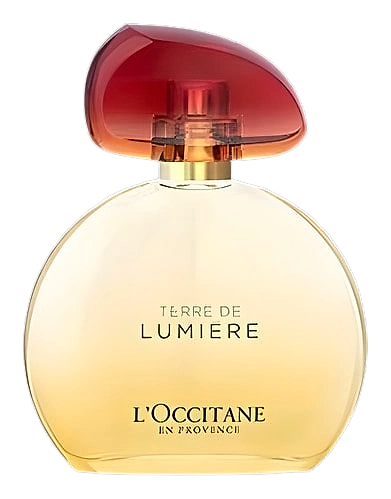
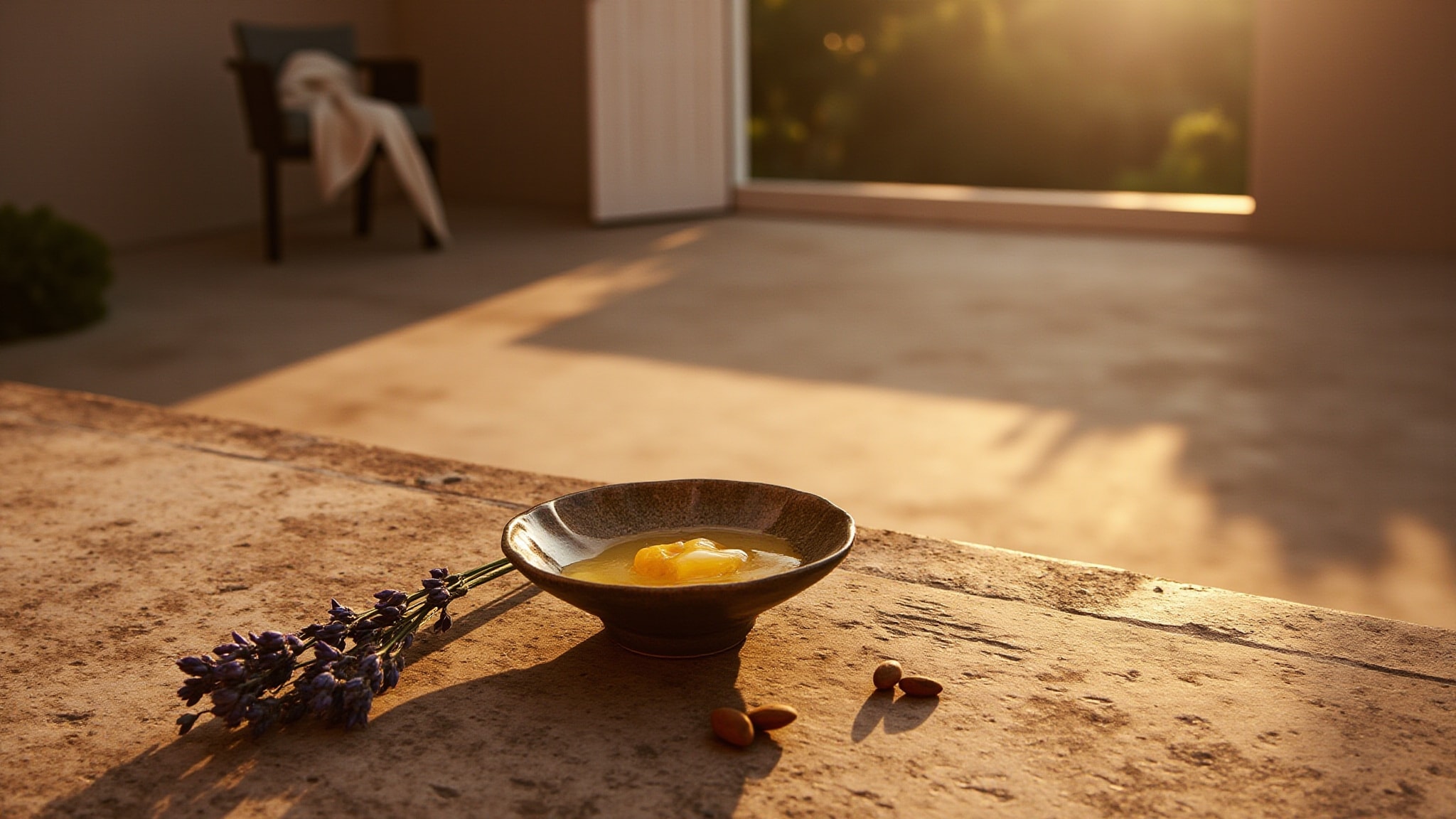
Terre de Lumière takes its name from the Provençal golden hour, that suspended moment at dusk when the sky blazes gold and purple, and the air itself seems to hold its breath. The perfumers wanted to bottle not just a color, but a feeling: the warmth of a day that's been long, the sweetness of light that's almost gone. They worked with botanical ingredients native to the region, lavender, honey, the soft warmth of tonka bean, to translate that fleeting light into something you could wear. The result is a fragrance that smells like the last beautiful moment of an afternoon in Provence.
What makes this composition unusual is its duality. L'Occitane built its identity on fresh, botanical aromatics, rosemary, lavender, clean florals. Terre de Lumière takes that same lavender and flips it. Instead of herbal and sharp, the lavender here meets honey and becomes something almost edible. It's the first gourmand aromatic from a house known for botanical purity, and the tension between those two impulses, fresh and warm, herbal and sweet, is what gives the fragrance its character. The honey doesn't just sweeten the lavender. It transforms it.
The evolution
The opening hits bright and citrusy, bergamot leading, pink pepper following with a soft heat. Ambrette seed adds a quiet musky warmth underneath, so the brightness never feels sharp. Within minutes, the lavender arrives. The honey comes next, swelling into a heart that reads more dessert than garden. It's sweet, soft, unexpectedly intimate. The drydown belongs to tonka bean and white musk, warm, close, the kind of base that clings to skin for hours. By the end, you've gone from midday sun to dusk in a single wearing.
Cultural impact
Terre de Lumière holds a specific place as L'Occitane's first gourmand aromatic fragrance, a bridge between their botanical heritage and something warmer, sweeter, more edible. It fills a gap for wearers who want Provençal authenticity with a gourmand heart. The lavender honey combination has become one of the house's most distinctive signatures, standing apart from the typical sweet-floral or fresh-citrus formulas that dominate the accessible luxury space.