The Story
Why it exists.
The beginning
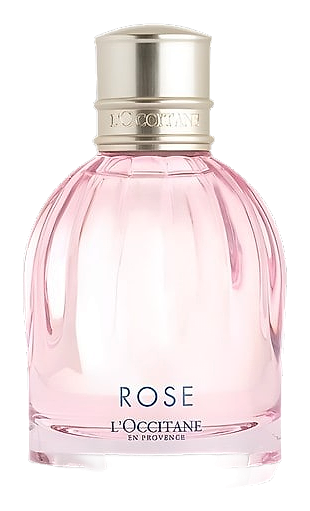
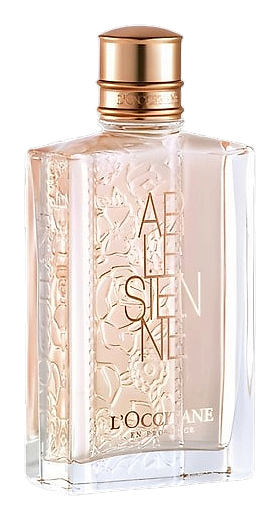
Arlésienne takes its name from a Roman statue discovered in Arles in 1651, a bronze Venus that became shorthand for the ideal Provençal woman: graceful, spirited, impossible to pin down. The fragrance captures that same contradiction. Karine Dubreuil-Sereni built Arlésienne around a core of Grasse rose and violet leaf, grounding them in warm, skin-like ambrette and white musk. The result doesn't announce itself. It arrives, settles, and stays, the olfactory equivalent of a woman who walks into a room and doesn't need anyone to notice.
The structure is quietly clever. Violet appears twice in the pyramid, once in the heart as the green leaf, again in the base as the powdered petal. This creates continuity across wear: a consistent floral thread that carries the composition from opening to drydown. Ambrette, derived from musk mallow seeds, gives the warm, skin-like quality without animal-derived ingredients. Combined with white musk, it keeps the sillage moderate and intimate. This isn't a fragrance that announces itself across a room. It's for the wearer who wants scent to unfold close, revealed to those who lean in.
The evolution
The opening arrives crisp, bergamot's citrus brightness and galbanum's sharp, green edge. Saffron threads warmth through the top, a subtle spice that signals this won't be a straightforward floral. Within minutes, the hand-off begins. Rose blooms into the heart, petals unfurling alongside violet leaf's powdery softness. The pairing works: rose could have leaned heavy, but the violet keeps it grounded, almost dusty. By the mid-drydown, the florals recede and ambrette takes over, warm, skin-close, lingering. White musk extends everything softly. Six to eight hours on most skin types. Moderate sillage throughout, never loud, never absent.
Cultural impact
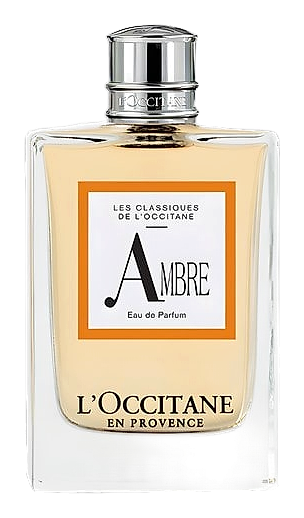
Arlésienne belongs to the Les Classiques de L'Occitane collection, the house's signature florals, designed to translate Provençal heritage into everyday wear. It sits alongside other rose- and violet-forward compositions from the brand, all sharing an emphasis on botanical authenticity over trend-chasing.
The House
L'Occitane en ProvenceL'Occitane en Provence is a French fragrance house rooted in the botanical traditions of southern France. Founded in 1976, the brand translates the scents of wild rosemary, lavender and almond into perfumes, body mists and skincare that feel like a walk through a Provençal market. Today the company ships its scented creations to more than 90 countries, yet each bottle still carries the imprint of the hills, stone houses and sun‑baked fields where the first essential oils were distilled. The line balances classic floral and warm amber notes with a modern sensibility for natural ingredients, offering a quiet alternative to the louder, synthetically driven offerings that dominate many shelves.
The Creator
Karine Dubreuil-SereniDubreuil-Sereni's portfolio spans an unusually wide territory, from fresh masculine orientals to luminous feminine florals. She demonstrates particular skill with masculine compositions, having created multiple flankers and variations across several houses.