The Story
Why it exists.
The beginning
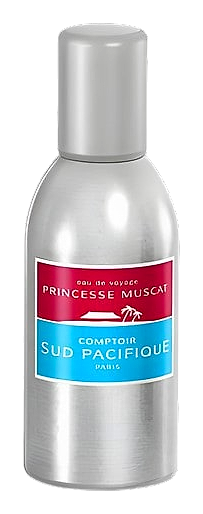
The name says it all. The muscat grape inspired this Comptoir Sud Pacifique composition, giving it a distinctive identity. Launched in 2000, the fragrance arrived when fruity florals were gaining prominence in designer perfumery. Where other houses pursued vanilla and coconut as their signature escape, Princesse Muscat looked elsewhere, finding its character in the grape itself. The muscat grape carries both a gentle sweetness and a subtle vinous depth that the house wanted to explore. The composition staked its claim with a tropical-floral character that felt more garden party than beach bar. The princess in the name is not a literal reference, but a tone: confident, approachable, slightly playful.
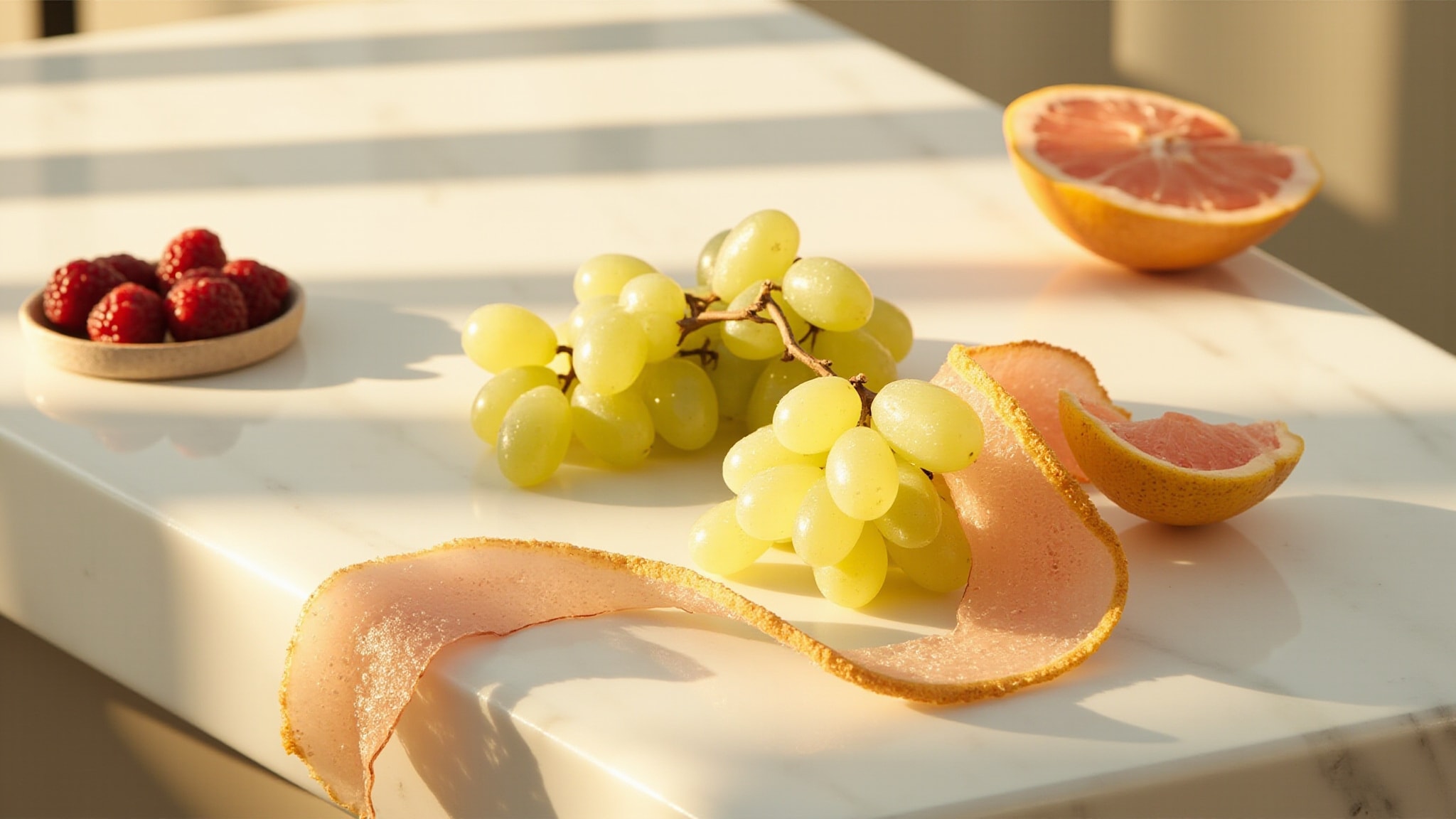
What makes Princesse Muscat interesting is how it threads the needle between fruity and floral without tipping into either extreme. The top layer is properly tart, thanks to cranberry and grapefruit working together, and that brightness keeps the heart notes from becoming cloying. The heart itself is where most fragrances in this genre fall apart, layering too many florals until they cancel each other out. Here, orchid carries the weight with a slightly waxy, exotic quality that grounds the mango and rose rather than competing with them.
The evolution
The opening is all brightness. Cranberry hits first, sharp and immediate, then raspberry softens it from sweet without diluting the energy. Grapefruit lingers just long enough to keep things crisp. Within fifteen minutes, the heart arrives: orchid and mango, an unexpected pairing that works because orchid brings a slightly dry, almost papery quality while mango stays soft and round. The rose is quiet here, more background texture than focal point. The drydown is where Princesse Muscat earns its name. As the fruity top notes fade, the grape-like quality emerges from the base, woven into sandalwood and white musk. It never smells like actual wine, but there's a vinous roundness to the finish that distinguishes it from standard fruity florals. The sillage is moderate from the start and stays that way. It projects for the first hour, then becomes intimate.
Cultural impact
Princesse Muscat arrived in 2000 into a designer fragrance landscape that was still sorting out how to do fruity florals without defaulting to the same rose-litchi formula. It carved a narrower path: brighter, more tart, less obviously sweet. The house positioned it as a daytime option within their tropical portfolio, and it found an audience among wearers who wanted the escapist quality of Comptoir Sud Pacifique without the full gourmand commitment. The fragrance has since been discontinued, which has made it a minor collectible among fans of the house.