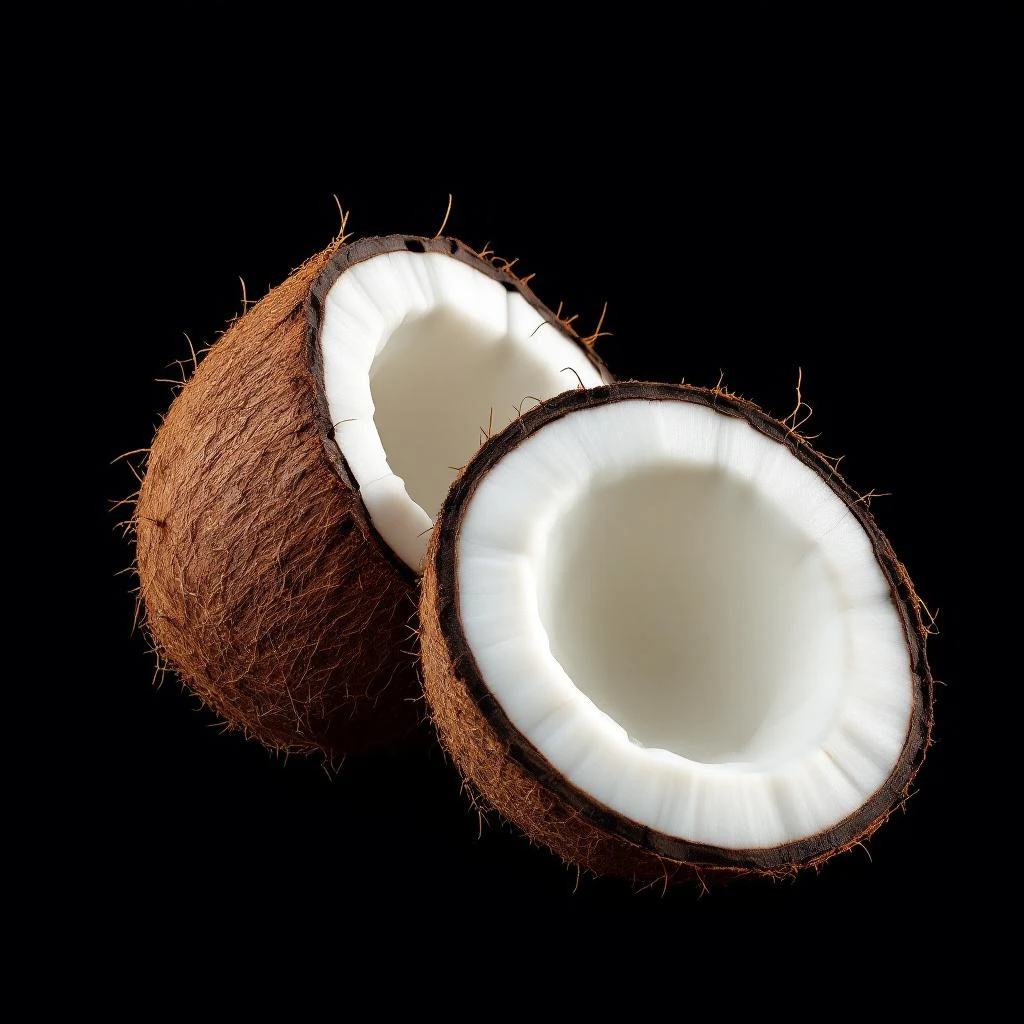
Lingonberry
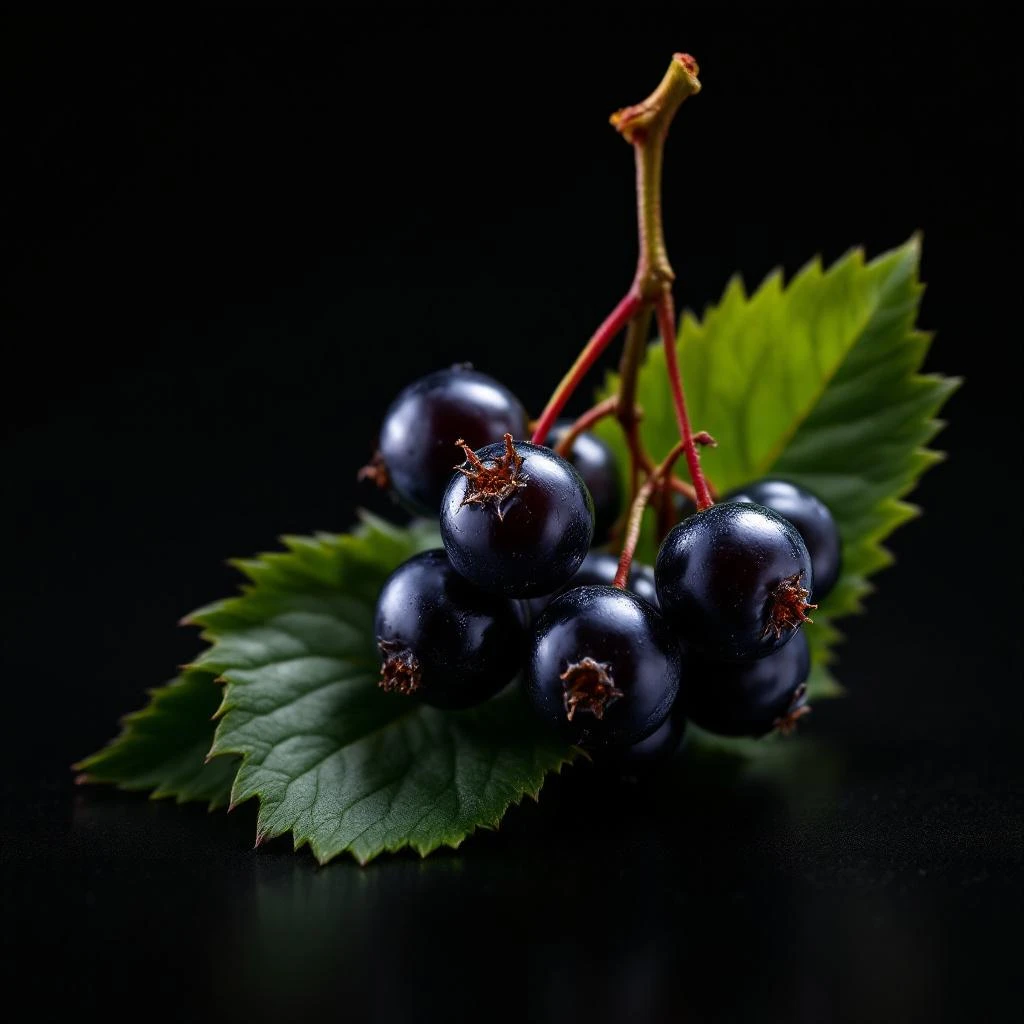
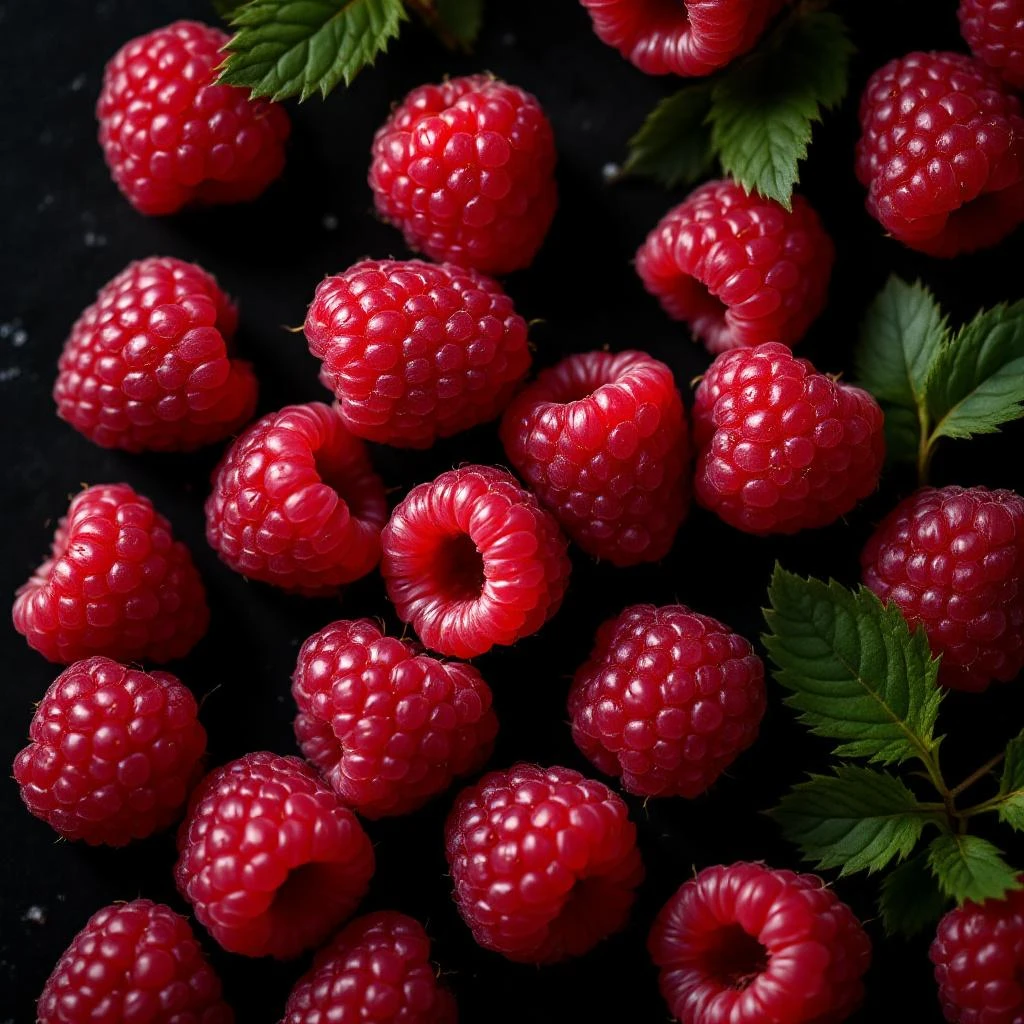
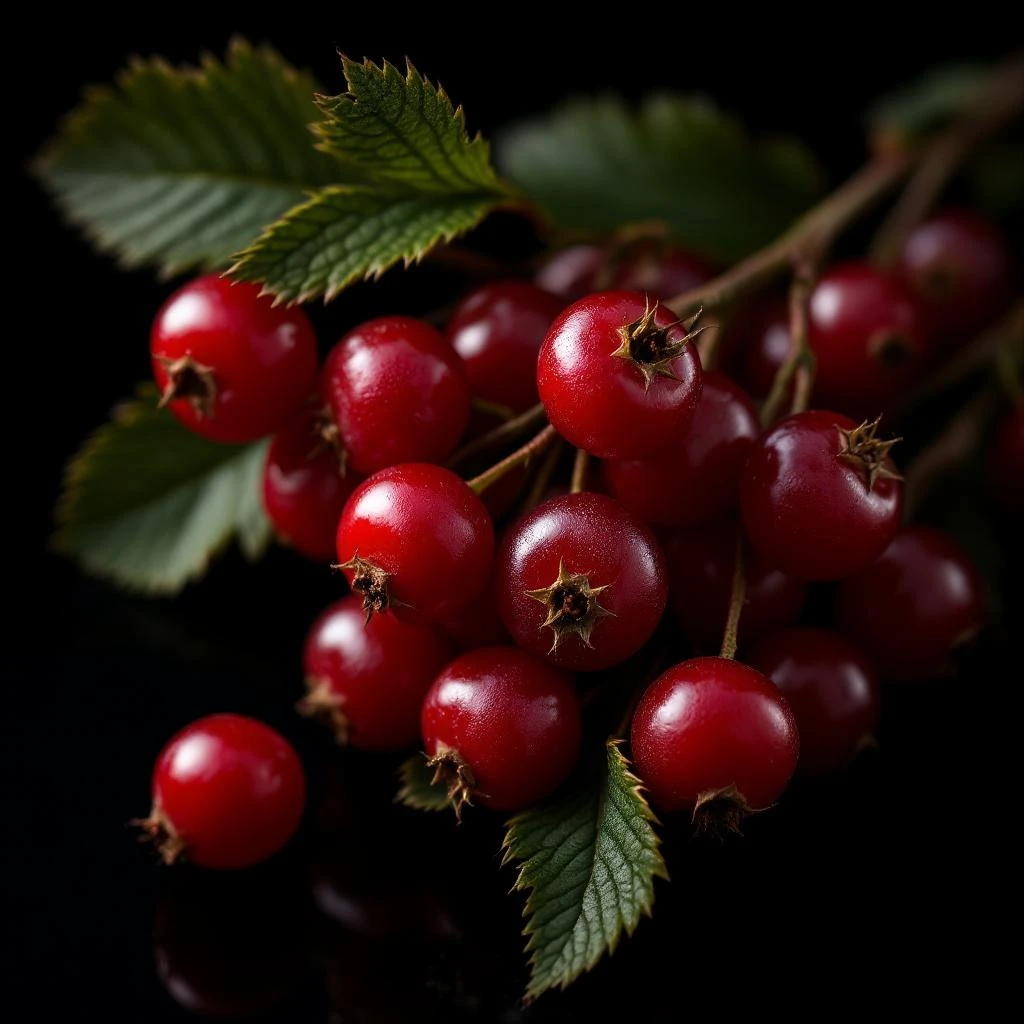
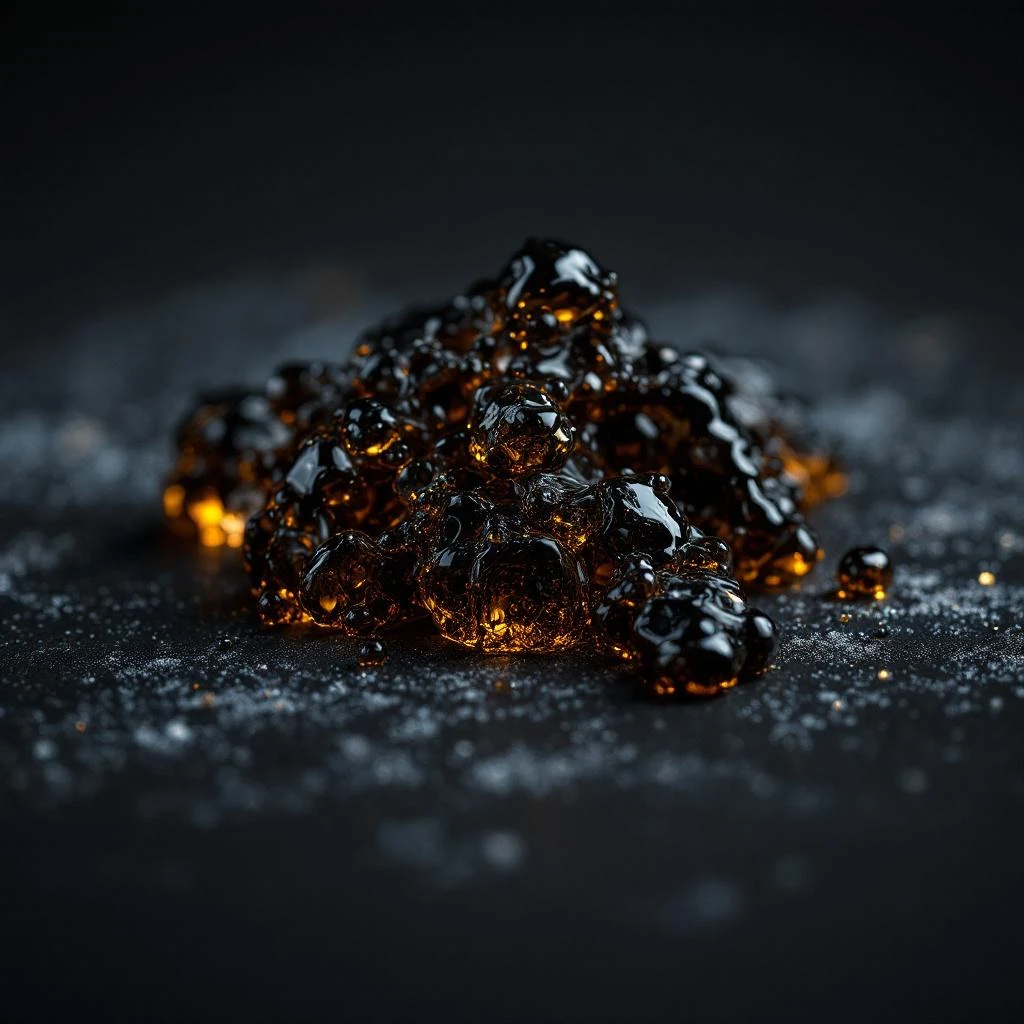
Lingonberry bursts onto the fragrance stage with a crisp, tart edge that brightens blends. Its red‑berry aroma carries a subtle sweetness, echoing the wild forests of the North while adding a clean, refreshing lift to modern compositions.
Character
How it smells
A crisp, tart spark from the Nordic wilds.
Lingonberry berries contain more vitamin C than oranges, and perfumers harvest them at peak ripeness to lock in their bright acidity, turning a superfood into a scent star.






Origin
Sweden
Nordic cultures have prized lingonberry for centuries, using the fruit in food, medicine, and ritual incense. Early 20th‑century herbalists recorded its sharp aroma in folk remedies, noting its ability to invigorate the senses. As modern perfumery sought new fruit notes beyond orange and bergamot, Scandinavian houses introduced lingonberry absolute in the 1970s, offering a tart alternative that complemented aromatic and woody bases.
The ingredient gained traction in niche markets during the 1990s, where its distinctive acidity helped balance richer accords. Today, lingonberry stands as a bridge between traditional botanical heritage and contemporary scent design, echoing the region’s rugged landscape while fitting seamlessly into global fragrance palettes.
Wears it best
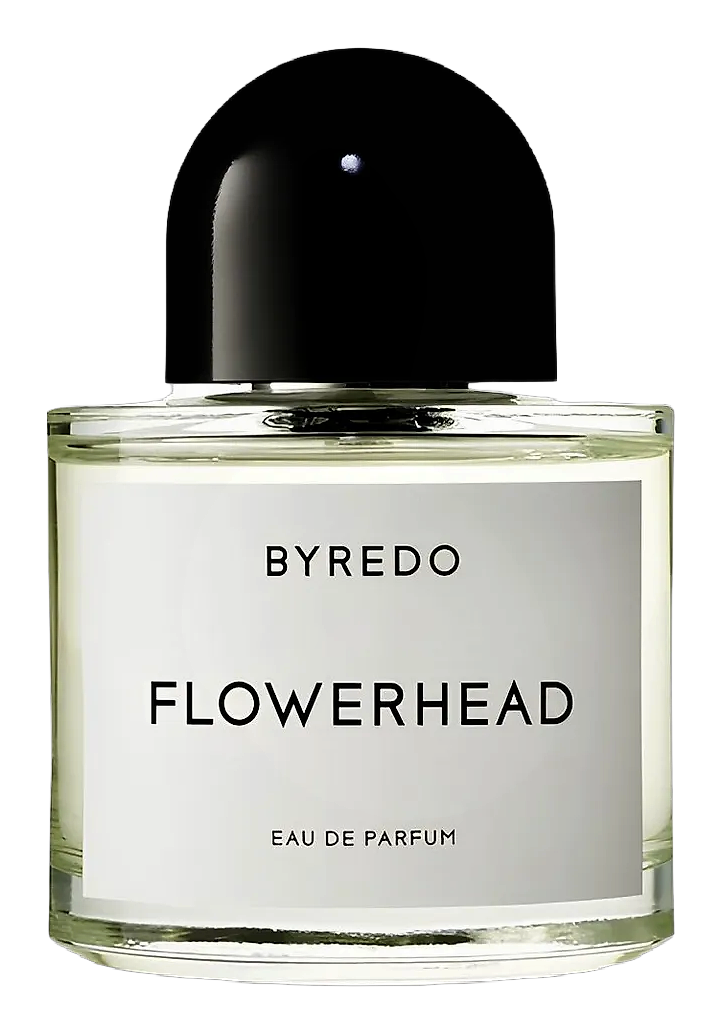
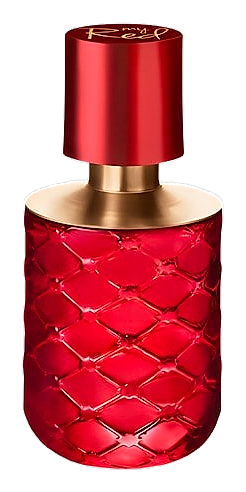
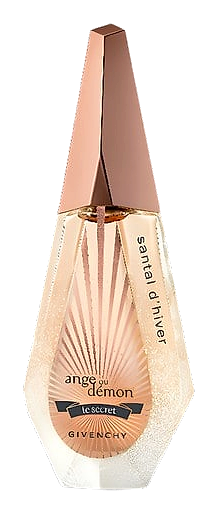
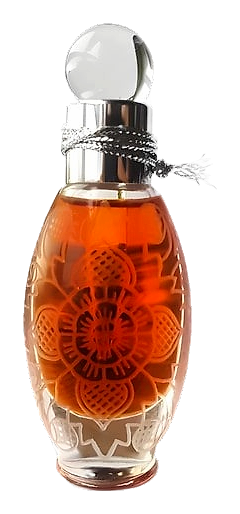
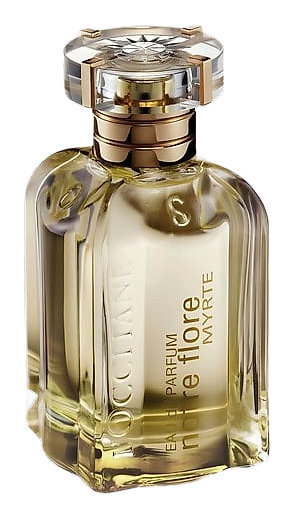
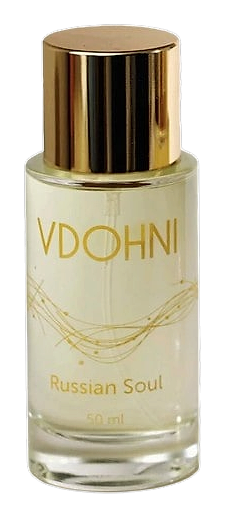
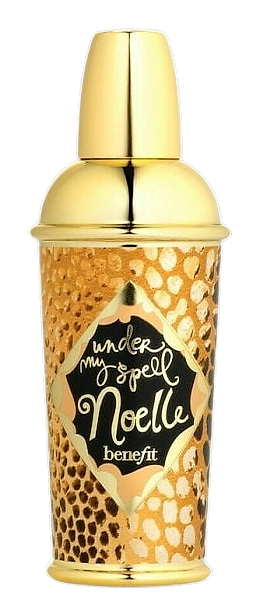
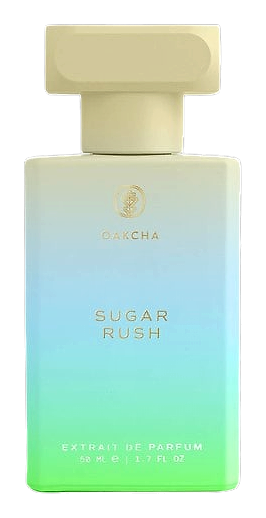
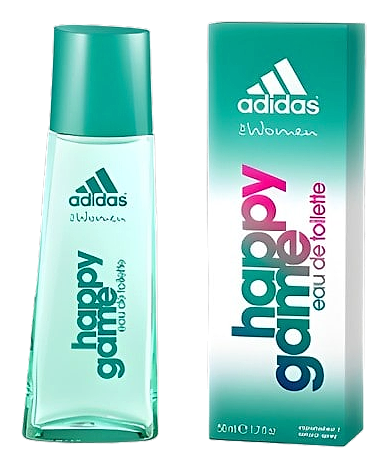
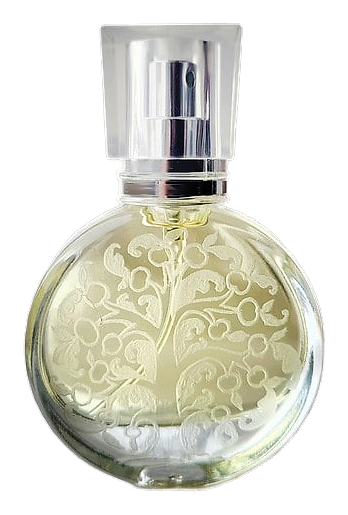
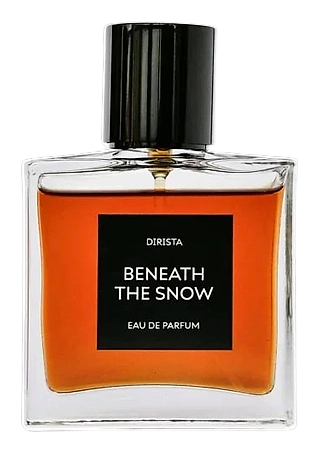
Fragrances featuring Lingonberry

Good to know
Questions, answered
The essentials on Lingonberry in perfumery: how it smells, where it comes from, and how it behaves on skin.
What scent profile does lingonberry provide?
Lingonberry delivers a crisp, tart, and lightly sweet aroma that recalls fresh red berries. In 2015, the International Fragrance Association recorded 3,200 kilograms of lingonberry absolute used in niche collections, highlighting its popularity for brightening blends.
How stable is lingonberry absolute in perfume formulations?
Lingonberry absolute remains stable when blended at concentrations below 5% and stored in cool, dark conditions. Laboratory tests in 2018 showed less than 2% degradation after six months at 25 °C, confirming its reliability for long‑term use.
Which fragrance families benefit most from lingonberry?
Floral, aromatic, and woody families gain a fresh lift from lingonberry’s tart edge. A 2020 market survey found that 68% of designers added lingonberry to chypre and fougère structures to enhance brightness without overpowering base notes.
Is lingonberry safe for skin contact?
Lingonberry absolute meets IFRA safety standards for topical application up to 2% in leave‑on products. Toxicology reports from 2019 confirmed no sensitization incidents in a panel of 150 volunteers using the ingredient at recommended levels.
How is lingonberry sourced sustainably?
Harvesters follow certified wild‑collection guidelines that limit pick rates to 30% of local yields. In 2022, a Swedish cooperative reported replanting 12,000 berry bushes annually, ensuring ecological balance while supplying the fragrance market.
What is the typical concentration of lingonberry in a perfume?
Formulators usually incorporate lingonberry absolute at 0.5% to 3% of the total formula. A 2021 case study on a niche eau de parfum recorded a 1.8% inclusion level to achieve a noticeable yet balanced tartness.
Can lingonberry be blended with citrus notes?
Yes, lingonberry pairs well with citrus, amplifying freshness while adding depth. In a 2017 comparative test, blends containing both lingonberry and bergamot scored 15% higher on vibrancy scales than citrus‑only mixtures.
Where can consumers experience lingonberry in a fragrance?
Consumers can find lingonberry in several Scandinavian niche releases launched after 2010. One flagship scent introduced in 2013 listed lingonberry as a top note, and retail audits showed it stocked in 42 specialty boutiques across Europe.