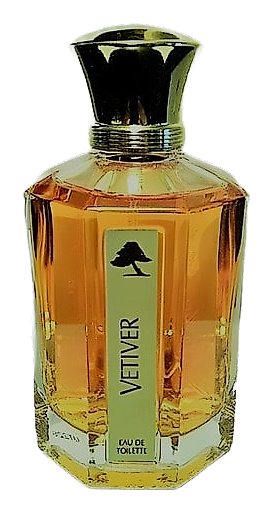

The Story
Why it exists.
The beginning
When L'Artisan Parfumeur began releasing fragrances, the Parisian landscape was crowded with blockbuster launches chasing mass appeal. The house's project was meant to do the opposite: smell like a place rather than a campaign. Vétiver arrived in 1978, and it carried that idea in its bones. A vetiver composition that refused to behave like the standard vetivers crowding the market at the time. Laporte reached for the root and built around it with coffee, lime, mint, and oakmoss. The result was green, earthen, and slightly bitter in a way that felt grown in soil rather than constructed in a lab. There is something almost agricultural about the way the coffee note grounds the composition, like the dark humus layer beneath a grassy field.
What makes this composition distinctive is the coffee note threading through the vetiver's earthy root character. Coffee in the middle of that axis creates a warm, roasted undertone that makes the green notes feel less like a fresh shower and more like something that has been growing for a while. The lime keeps it from tipping into heaviness, slicing through the roasted depth with a sharp citrus edge that prickles at the back of the nose. The mint lifts the top without adding sweetness, contributing a cool, herbal shimmer that reads almost vegetative.
The evolution
The opening hits cool and sharp, lime and mint pushing forward over a green undertow of vetiver. It reads almost cologne-like at first, bright and a touch metallic in the way good citrus accords go when they meet something mineral. There is something bracing about those first moments, a sensation similar to pressing a cut lime against bruised mint leaves and inhaling deeply. Then the vetiver arrives properly. The root character settles into the skin with a damp, earthy weight, and the coffee surfaces not as a literal espresso note but as a warm, roasted shadow underneath, more the memory of a dark roast than the beverage itself. The green doesn't disappear, it thickens, taking on the qualities of moss-covered stone rather than freshly cut grass.
Cultural impact
Vétiver arrived in 1978 and immediately stood apart from the vetiver compositions that had come before it. Its coffee-and-vetiver pairing offered something genuinely unusual, a combination that placed a warm, roasted note at the heart of what was typically a cool, green composition. Wearers describe it as the scent of someone who doesn't need to announce themselves, a fragrance that holds its ground quietly through a workday and lingers close to skin long after. The composition has earned a devoted following among people who appreciate vetiver's earthy complexity but want something warmer and more textured than the usual interpretations.
The House
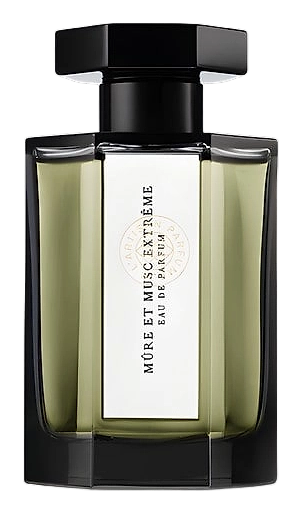
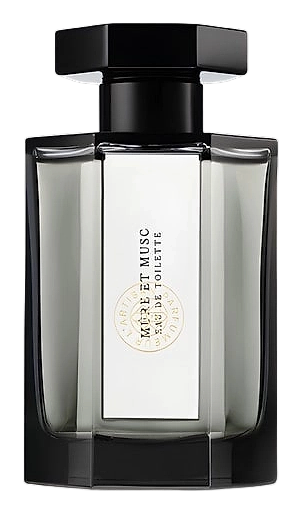
L'Artisan ParfumeurL'Artisan Parfumeur arrived in 1976 with a quietly radical idea: perfume should feel personal, not mass-produced. Founded by chemist Jean Laporte in Paris, the house became one of the first true niche fragrance houses, championing natural ingredients and artisanal craft at a time when blockbuster launches dominated the market. Its Mûre et Musc, launched in 1978, paired blackberry and musk in a way no one had attempted before, and it became a sensation. Over nearly five decades, the house has continued to create unusual fragrances with distinguished noses, never following trends but trusting instead in beautiful materials and imaginative composition.
The Creator
Jean LaporteLaporte favors a tactile palette built around natural absolutes, aged woods, and unprocessed essences. He often begins with a single anchor—such as Madagascar vanilla, cedar from the Atlas, or a wild jasmine extract—and constructs layers that echo the anchor’s texture.