
The Story
Why it exists.
The beginning
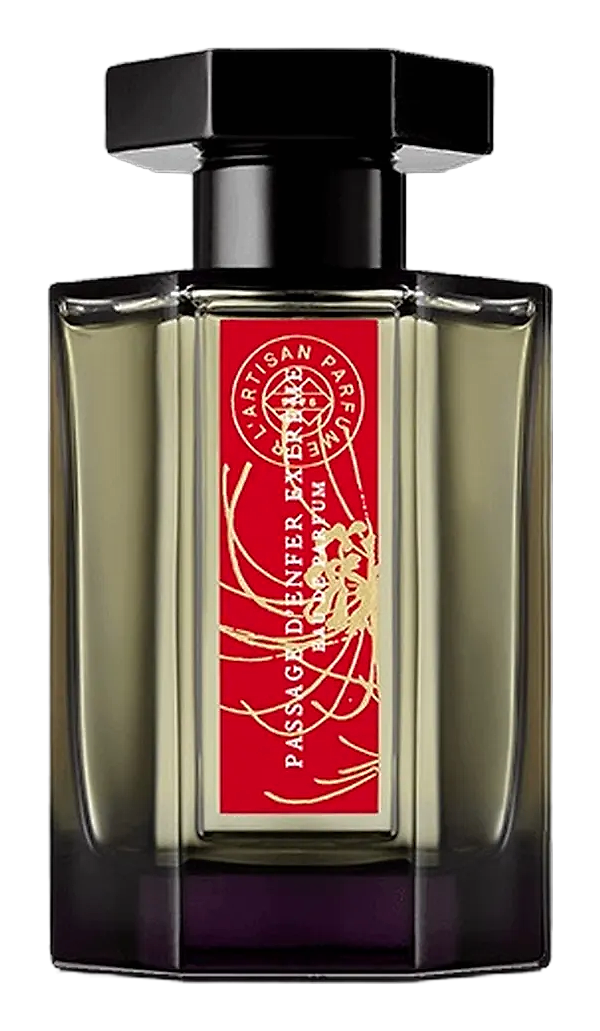
In 1999, Olivia Giacobetti created Passage d'Enfer for L'Artisan Parfumeur: incense, cedar, and lily in a composition that became one of the quietly essential niche fragrances of the modern era. When she finally returned to it in 2020 with the Extrême concentration, she took the same materials and explored new dimensions within the structure. The smoke opens darker. The lily stays just as present, but sharper. Incense and lily, made to confront rather than coexist. The result feels more assertive, more committed to its own logic, pushing the balance toward something that doesn't ask for your approval.
The tension here is deliberate and counterintuitive. White lilies should soften smoke. Instead, Giacobetti lets the lily push back, that green, almost anise-adjacent strike in the opening creating friction against the incense, so neither one wins cleanly but both stay in play. Vanilla sits in the base and rarely announces itself, which is the point. It exists to make the sandalwood and smoke around it feel warmer, woodier, less austere.
The evolution
The first spray hits sharp and green from the lily, a bite before anything else. Incense builds through the heart, not at the opening, so there's a strange cold-air quality at first, like walking into a church that's been burning. Jasmine arrives as warmth, and the incense doesn't disappear so much as layers itself over everything that follows. The drydown arrives at sandalwood and vanilla absolute, creamy, resinous, intimate. The smoke stays there in the base, barely visible, more felt than smelled on close contact. As the fragrance settles into the skin, it creates a quiet, lasting presence that remains noticeable without ever announcing itself loudly.
Cultural impact
The original Passage d'Enfer became a reference point in niche perfumery, cited often in discussions of incense-forward compositions alongside Timbuktu and Séville à l'aube. This Extrême version extends that legacy, taking the existing structure and intensifying its defining qualities. The smoke feels more present, the floral facets more insistent, creating a version that operates in the same territory as its predecessor but with greater force.