
The Story
Why it exists.
The beginning
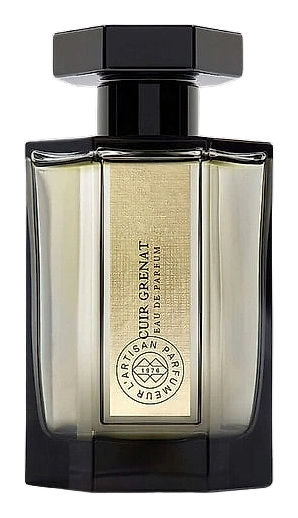
Christophe Raynaud was in Morocco, walking through medinas, past tanneries, into workshops where leather has been worked for centuries. One of those dim, warm rooms stuck with him. The smell of the leather itself, the fruit sellers outside, the contrast between shadow and street light. That's where Cuir Grenat begins, not in a brief, but in a memory. The name says it all: Cuir for leather, Grenat for pomegranate. The color of the fruit, the warmth of the hide. Raynaud translated that marketplace contrast into something you can wear.
Raspberry and leather shouldn't work together, one is soft and fleeting, the other is dense and permanent. But in the right hands, the contrast becomes the point. The ambrofix here is key. It doesn't add sweetness or weight. It adds clarity. Clean warmth, a kind of modern amber that keeps the leather from ever feeling dusty or antique. This is worn leather, not vintage leather.
The evolution
The opening is immediate, raspberry arrives without preamble. Not synthetic or candy-like. The real thing, slightly tart, with a warmth that feels like late afternoon. Within minutes, the leather joins. It's not aggressive. It doesn't shout. It settles alongside the fruit like it belongs there, adding a textured depth without tipping into smoke or sweetness. The ambrofix comes into its own as the hours pass, becoming the quiet backbone of the drydown. The fruit softens. The leather stays. The whole thing stays close, intimate, the kind of scent that rewards proximity rather than announcing itself across a room. On the second day, on fabric, on skin, the warmth lingers. This is not a fragrance that disappears and forgets itself.
Cultural impact
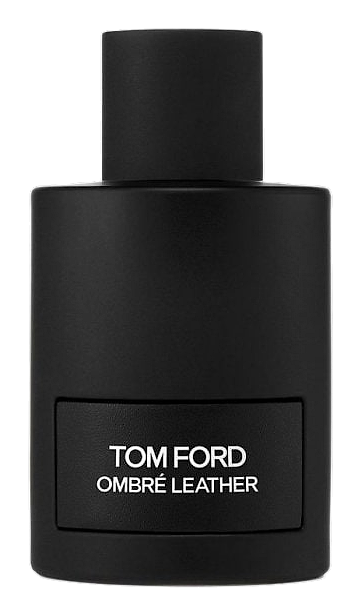
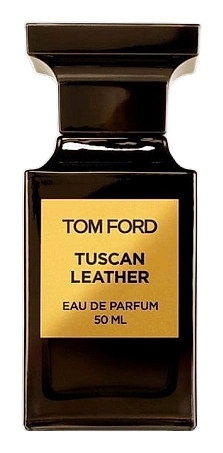
Cuir Grenat arrived in 2023 as part of L'Artisan Parfumeur's Les Merveilles collection, a line built around unusual sensory pairings. The leather-and-raspberry combination isn't new, Tom Ford's Tuscan Leather built an empire on it, but Cuir Grenat takes a quieter approach. Where others go loud, this one goes warm. The reception has been consistent: well-balanced, easy to reach for, the kind of fragrance that works without asking for attention. It's the rare fruity-leather that doesn't rely on aggression to make its point.