
The Story
Why it exists.
The beginning
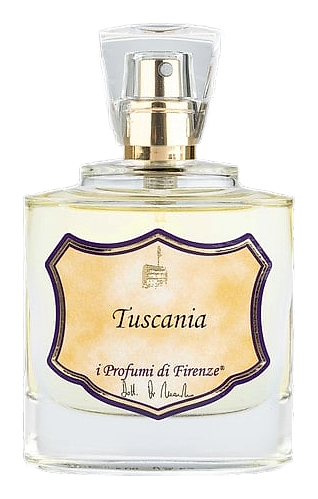
Tuscania launched in 2008, and it reads like a composition built with patience. The bottle sits somewhere between a working fragrance and an artful one, the kind of citrus composition that feels deliberate rather than decorative. Petitgrain and bergamot open with a bitter-green snap, then lemon and mandarin pour in, all zest and brightness. There's a precision to the top, a sense that each note was chosen for a reason and placed where it belongs. The citrus doesn't shout; it states. It smells like something measured twice and sprayed once, a fragrance that knows exactly what it wants to be before you press the atomizer.
What separates Tuscania from a hundred other citrus openings is the pivot in the middle. Coriander arrives with a green, slightly soapy bite, and lily of the valley softens the edges without going sweet. The heart has an unexpected gentleness, a floral touch that keeps the composition from feeling clinical. The base, though, is where Tuscania earns its keep. Patchouli and sandalwood lay down a creamy, vanillic warmth that doesn't just support the citrus; it argues back, pulling the whole thing toward something more grounded and a little dusty.
The evolution
The first 30 minutes belong entirely to the citrus. Petitgrain leads with its bitter-green edge, lemon and mandarin flashing bright on top, bergamot rounding out the corners. It's sharp but not aggressive, more like a cold glass of something than a squeeze of rind. The citrus has clarity, a translucent quality that lets each note breathe without crowding the others. By the 45-minute mark, the coriander has settled in alongside lily of the valley, and the brightness starts to mute into something herbal and slightly cool. The transition is smooth, almost imperceptible, which is the trick. There's no dramatic shift, no sudden curtain drop between top and heart. The florals arrive the way shade arrives on a sunny afternoon, gradually, without announcement. Then comes the slow slide into base. Sandalwood and patchouli arrive together, the vanilla thickening underneath like cream into coffee.
Cultural impact
Tuscania has found its audience among wearers who appreciate a composition that knows what it is and stays there. It's a fragrance that rewards attention without demanding it, the kind of bottle that quietly earns its spot on a dresser. Among those familiar with the brand's output, it's known as a reliable, well-built citrus that doesn't lean on novelty to get noticed. The lasting impression it leaves is one of composure, a scent that feels considered from the first spray to the final fade. For people who prefer their fragrances composed and steady rather than flashy or trend-driven, Tuscania fits naturally into a daily rotation.