The Story
Why it exists.
The beginning
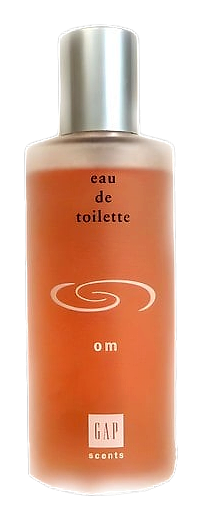
From the perfumer Honorine Blanc, Om arrived as a meditation in stillness, an unusual offering from a brand better known for everyday cotton and weekend light. Where most mainstream fragrances chase brightness and lift, Om aimed downward, into the kind of quiet that settles when the windows close and the noise fades out. The composition is built around frankincense, a resin long associated with sacred spaces and ancient ritual, and surrounded by materials that feel weighted with age rather than novelty. It was a daring move from a label built on accessibility, and that daring is part of what gave the scent its gravity. Blanc's approach reads as devotional rather than decorative, treating incense not as an accent but as architecture.
The composition's real interest sits in how few materials do so much work. Frankincense and olibanum anchor the middle, giving Om its smoky, almost liturgical quality, while the base layers in sandalwood, agarwood, and Peru balsam for depth that reads as devotional rather than decorative. The top notes of ginger, cedar, coriander, and lotus prevent it from collapsing into pure incense. They add lift, a flicker of warmth, a green edge that keeps the smoke from suffocating.
The evolution
The opening belongs to ginger and cedar, sharp and clean, with a green shimmer from lotus and coriander that catches the light before the heavier notes settle in. Then the incense begins its slow takeover. Frankincense doesn't crash the party; it seeps in, filling the space between skin and air with a resinous warmth that carries none of the sweetness you'd expect from a mainstream launch. As the hours pass, the smoke begins to settle and the base opens up: sandalwood arrives creamy and grounding, oud darkens the edges without taking them over, and Peru balsam adds a quiet medicinal sweetness that keeps everything from going austere. The drydown lasts. On fabric the next morning, you'll catch sandalwood and a ghost of the incense that came before, still warm, still asking to be noticed.
Cultural impact
Om earned a reputation that outlived its retail run, a fragrance remembered for taking incense seriously when most mall-brand launches stuck to safe territory. Wearers gravitated to it precisely because it felt unexpected, a contemplative, resin-driven composition from a label better known for t-shirts and weekend wear. The incense at its core gave it gravity, and that gravity translated into a quiet cult following that persisted after the scent disappeared from counters. In online discussions, Om surfaced as a touchstone for anyone interested in smoke-driven fragrances that didn't require a boutique budget.
The House
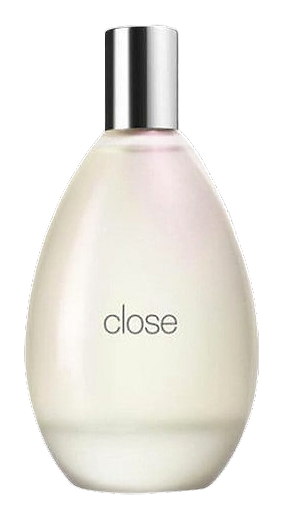
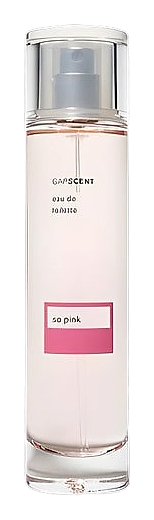
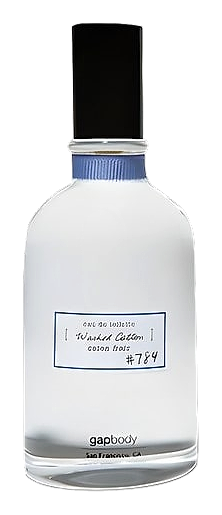
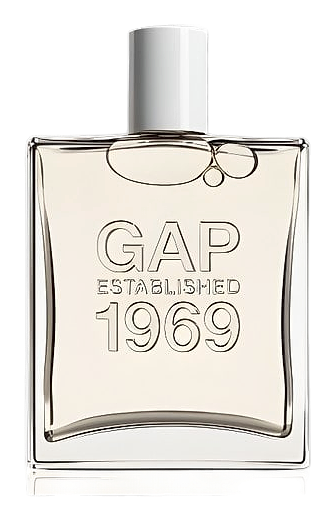
GapGap fragrances represent an iconic chapter in American fashion fragrance history, born from the casualwear retailer that defined 1990s shopping culture. The brand's scent collection captured the accessible, democratic spirit of its parent company, offering fragrances that felt intimately tied to theGap shopping experience. Rather than positioning itself within luxury perfumery, Gap brought an approachable sensibility to fragrance, making scents that evoked wardrobe staples and everyday American moments. The collection gained particular renown for its ability to trigger powerful nostalgia, with fragrances like Heaven, Dream, and Grass becoming cultural touchstones that fans still seek decades later. Gap fragrances occupy a distinctive niche in perfume history, neither high-end niche nor drugstore basic, but something uniquely aligned with mall culture and mid-range American retail at its peak.
The Creator
Honorine BlancBlanc gravitates toward contrasts: sweet and dark, structured and sensual, familiar and surprising. She has a particular affinity for amber and gourmand notes, shaped by her Lebanese upbringing in an Ambrée culture.