
The Story
Why it exists.
The beginning
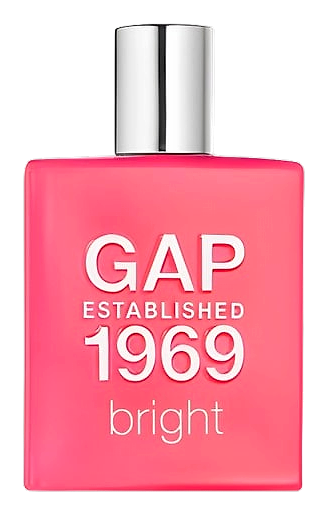
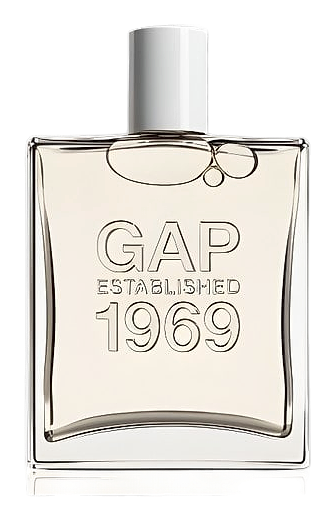
Jean-Claude Delville designed Established 1969 for Women in 2012. The name says 1969 because that's when it all started. Delville built this one around citruses and florals, then grounded it with something unexpected, agarwood. The citrus top notes hit first, bright and sparkling, with bergamot and lemon that feel immediate and lively. As they soften, the floral heart emerges, rose and jasmine unfurl gently, adding a delicate sweetness that feels neither powdery nor heavy. The agarwood base is where Delville takes a risk. It brings warmth and a faint resinous depth that lingers on the skin, giving the fragrance something to settle into as the hours pass. The result is a scent that opens clean and ends grounded, with just enough unexpected depth to reward attention.
The bamboo note is the bridge here. It keeps the citrus from being too sharp and the oud from being too heavy. Think of it as the connective tissue, green, slightly aquatic, clean without being sterile. Combined with musk, it creates a base that's intimate rather than projecting. That's the trick: oud usually demands attention. Here, it's been tamed just enough to feel like a secret rather than a proclamation.
The evolution
The citrus hits first, crisp, uncomplicated, like morning light through a window you forgot to close. Thirty minutes in, the florals arrive. Not a bouquet, more like a single stem, faint enough to question whether you're imagining it. Then the bamboo and musk settle in together, and that's where this fragrance lives for most of its life. The oud doesn't dominate. It lingers at the edges, adding depth without weight. By hour four, you're down to a soft musk-bamboo warmth that stays close to skin. On fabric, it lasts longer, a faint trace into the next day.
Cultural impact
This one occupies an interesting space: light enough to be inoffensive, interesting enough to be remembered. It's the kind of composition that knows when to stop, offering a clean, confident presence without chasing complexity for its own sake. The citrus opening feels immediate and bright, the floral heart adds just enough softness to keep things warm, and the agarwood base grounds everything with quiet depth. In a market that often seems to value louder and more elaborate, there's something refreshing about a fragrance that understands restraint.
The House
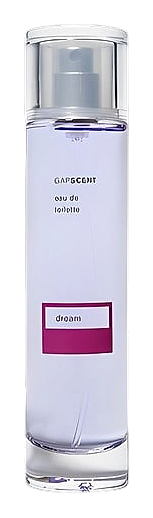
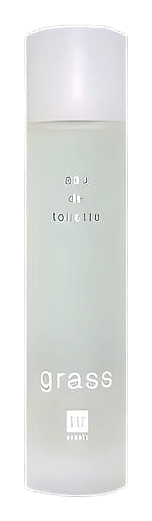
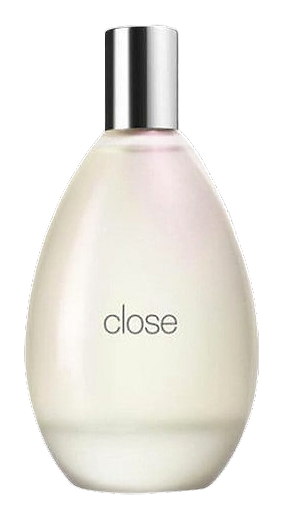
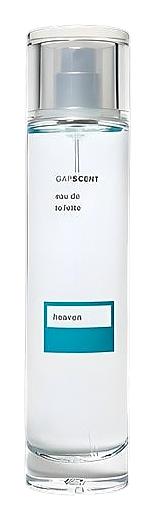
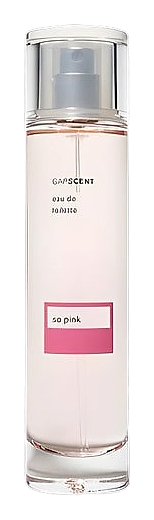
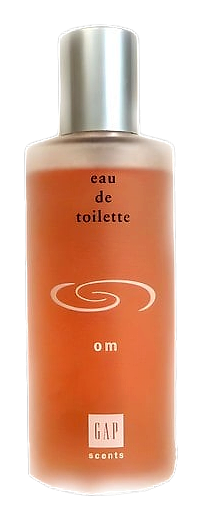
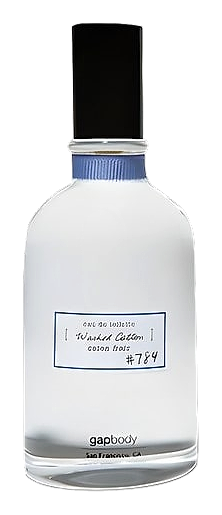
GapGap fragrances represent an iconic chapter in American fashion fragrance history, born from the casualwear retailer that defined 1990s shopping culture. The brand's scent collection captured the accessible, democratic spirit of its parent company, offering fragrances that felt intimately tied to theGap shopping experience. Rather than positioning itself within luxury perfumery, Gap brought an approachable sensibility to fragrance, making scents that evoked wardrobe staples and everyday American moments. The collection gained particular renown for its ability to trigger powerful nostalgia, with fragrances like Heaven, Dream, and Grass becoming cultural touchstones that fans still seek decades later. Gap fragrances occupy a distinctive niche in perfume history, neither high-end niche nor drugstore basic, but something uniquely aligned with mall culture and mid-range American retail at its peak.
The Creator
Jean-Claude DelvilleDelville's style resists easy summary, which is perhaps the point. He moves between floralorientals, fresh citruses, and powdery aldehydic compositions with apparent ease.