
The Story
Why it exists.
The beginning
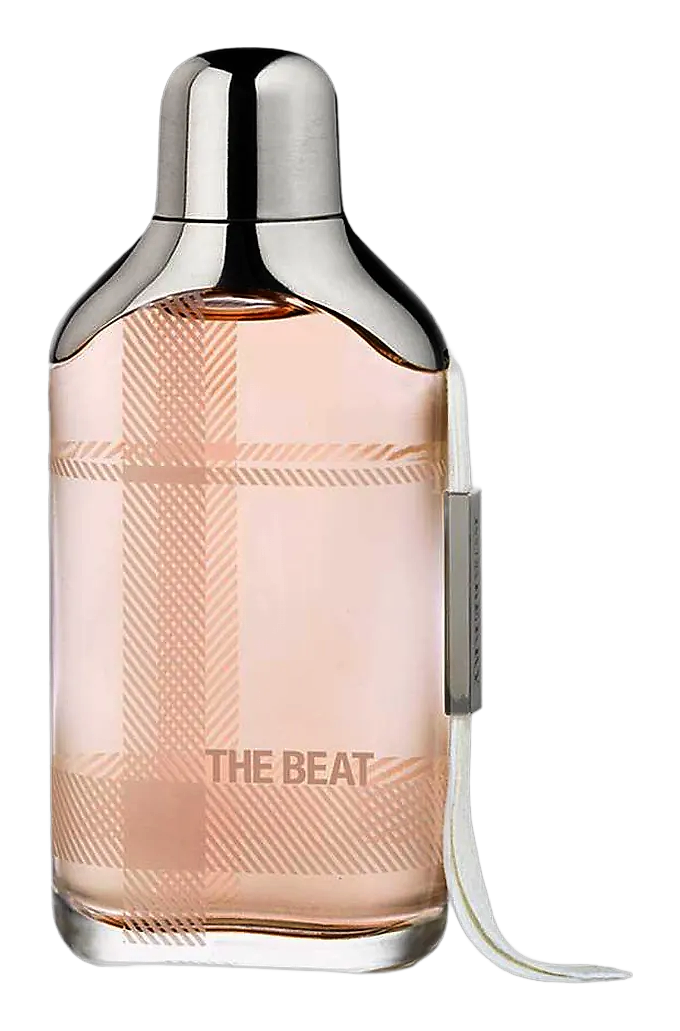
Burberry released The Beat in 2008, a year when British indie rock dominated the charts and the cultural conversation. Kasabian, Arctic Monkeys, Razorlight, The Fratellis, the era had a pulse, and the house decided to bottle it. They partnered with three master perfumers: Dominique Ropion, Olivier Polge, and Béatrice Piquet, tasking them with translating musical energy into scent. The result was not a loud fragrance. It was a beat, something you feel more than hear, something that moves beneath the surface.
What makes The Beat unusual is the structural role of Ceylon tea. In most fragrances, tea functions as an accent, a watery bridge between florals and woods. Here, it anchors the composition. The tea arrives cool and slightly astringent, creating space around the sweeter elements. Iris adds powdery depth, but the green austerity of the heart keeps everything grounded. It's a composition that rewards attention, the kind of scent that reveals something new on the third wear.
The evolution
The opening hits bright and alert: pink pepper sparks against mandarin orange and bergamot. The citrus doesn't linger, it clears the way. Within minutes, Ceylon tea takes over, shifting the energy from spark to stillness. The heart unfolds slowly: bellflower adds a delicate, slightly watery sweetness while iris introduces powdery warmth. The transition feels like a song moving from verse to chorus, the loud part settling into something more intimate. By hour three, white musk and cedarwood have emerged fully. The vetiver grounds everything, keeping the drydown from going too soft. Four to six hours in, traces of cedar and warm musk cling close to the skin. On fabric, the scent lingers into the next day, a faint, clean warmth that suggests someone who showered hours ago and forgot to reapply.
Cultural impact
The Beat arrived in 2008, a moment when British indie rock was reshaping pop culture. Bands like Kasabian, Arctic Monkeys, Razorlight, and The Fratellis dominated the charts, and Burberry captured that cultural pulse. Agyness Deyn, sharp-boned, razor-tongued, unmistakably British, fronted the campaign with Fabien Baron and David Sims. The fragrance carved out space in a crowded market of sweet florals, offering something cooler and more cerebral. It found its audience among women who wanted scent with personality, not decoration, but character.