Bellflower
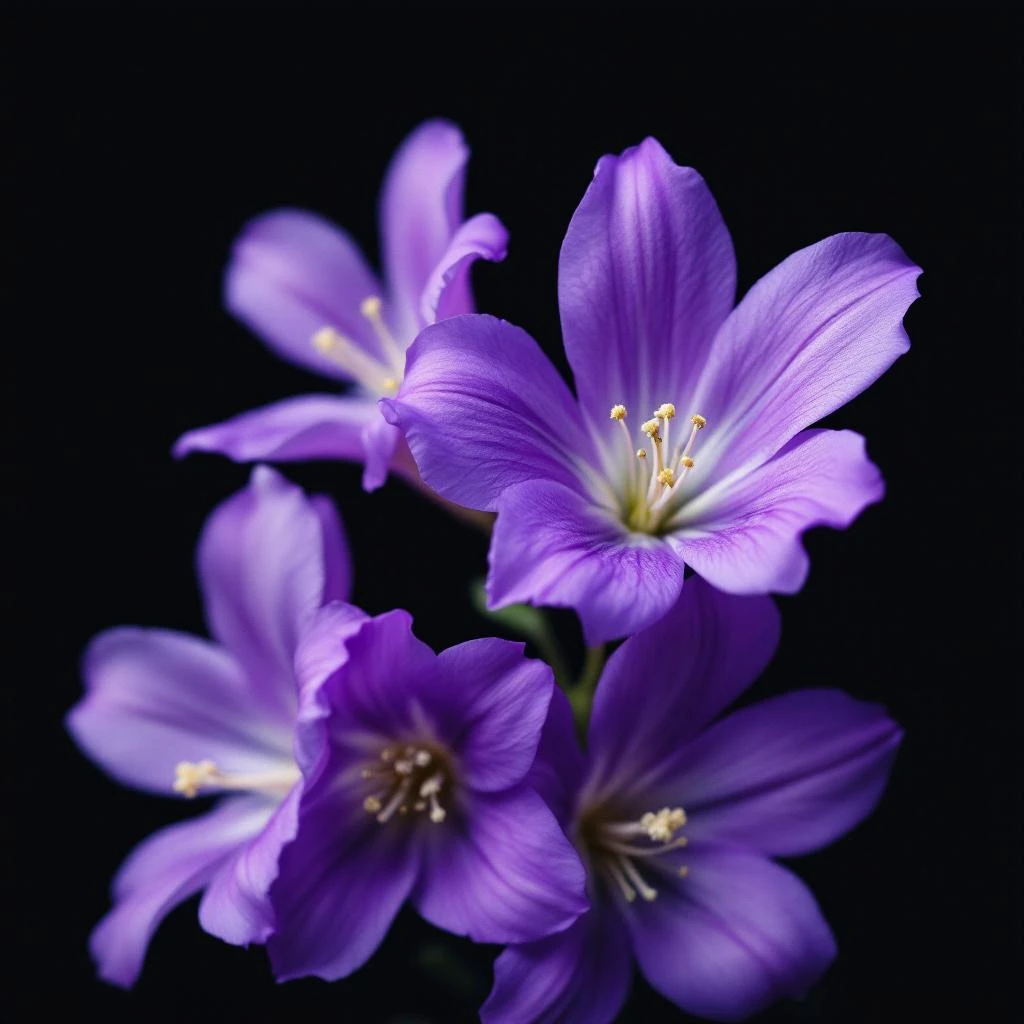
Delicate green florals and crisp garden air. Bellflower captures the fleeting scent of a summer meadow before the sun climbs too high.
Character
How it smells
Crisp garden air, captured in bloom.
Bellflower blooms inspired the name "campanula" in Latin, meaning "little bell" for its distinctive bell-shaped petals.






Origin
Europe
Bellflower grows wild across temperate regions of Europe and Asia, gracing meadows and woodland edges since antiquity. Garden cultivation began in earnest during the 15th century when European botanists began cataloguing native flora. While ancient perfumers favored more pungent botanicals, the plant appeared in herbal preparations for its mild, pleasing qualities.
The Romantic era revived interest in meadow and wildflower scents, planting seeds for bellflower's eventual appearance in modern fragrance. Today it represents a quieter chapter in perfumery's botanical history, cherished by those who value subtle garden-inspired accords.
Wears it best
Fragrances featuring Bellflower
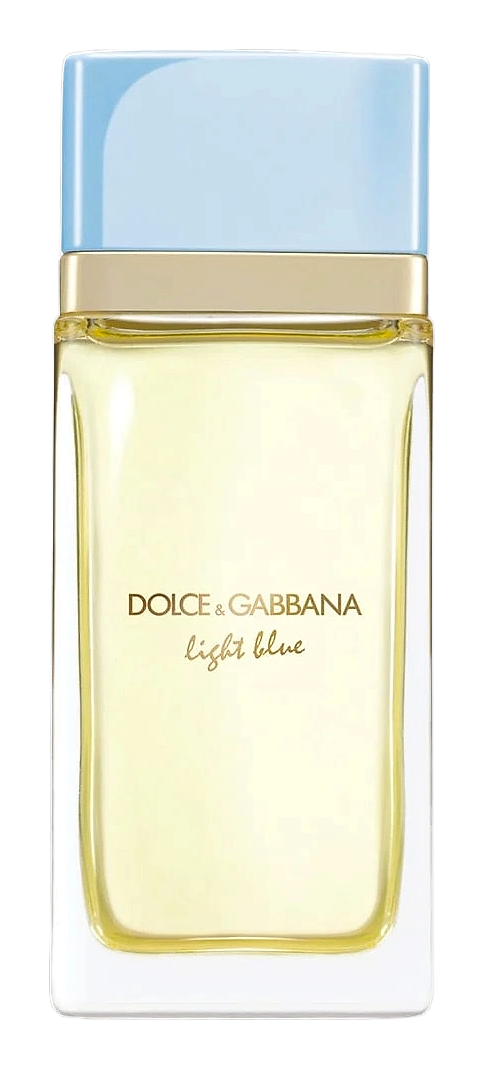
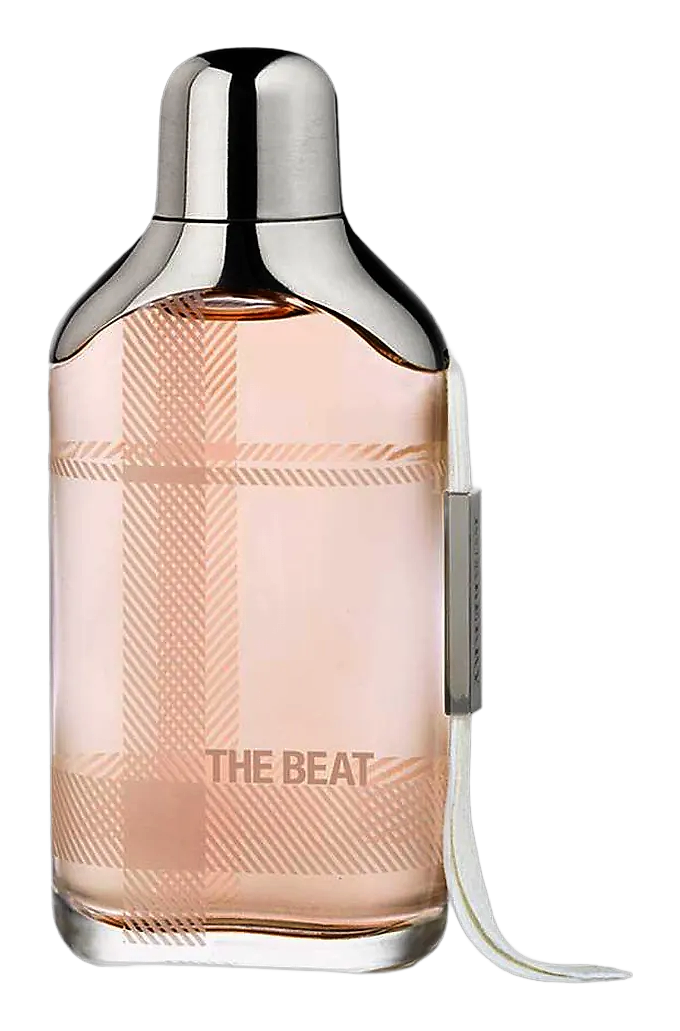
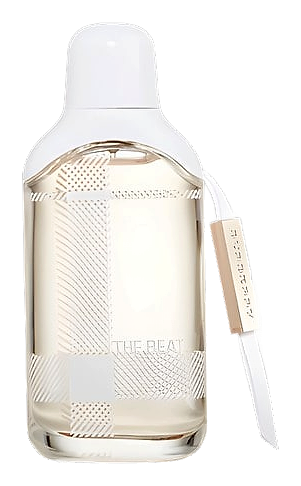
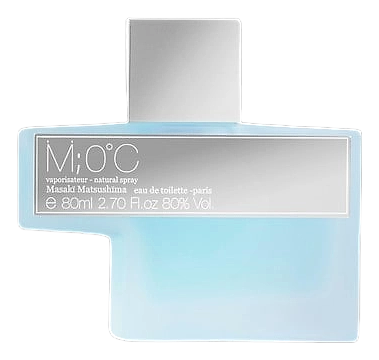
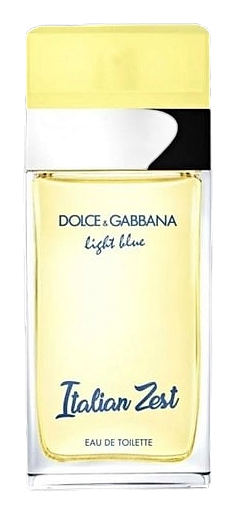
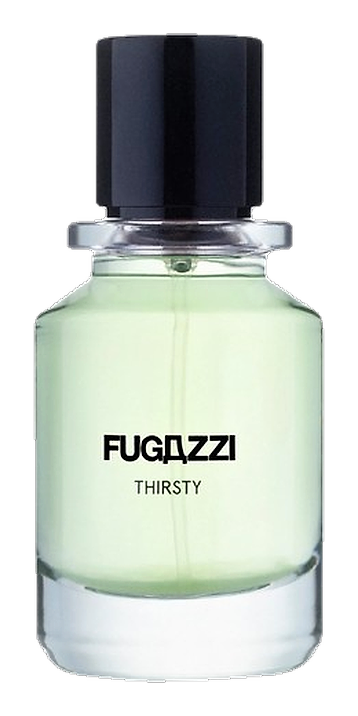
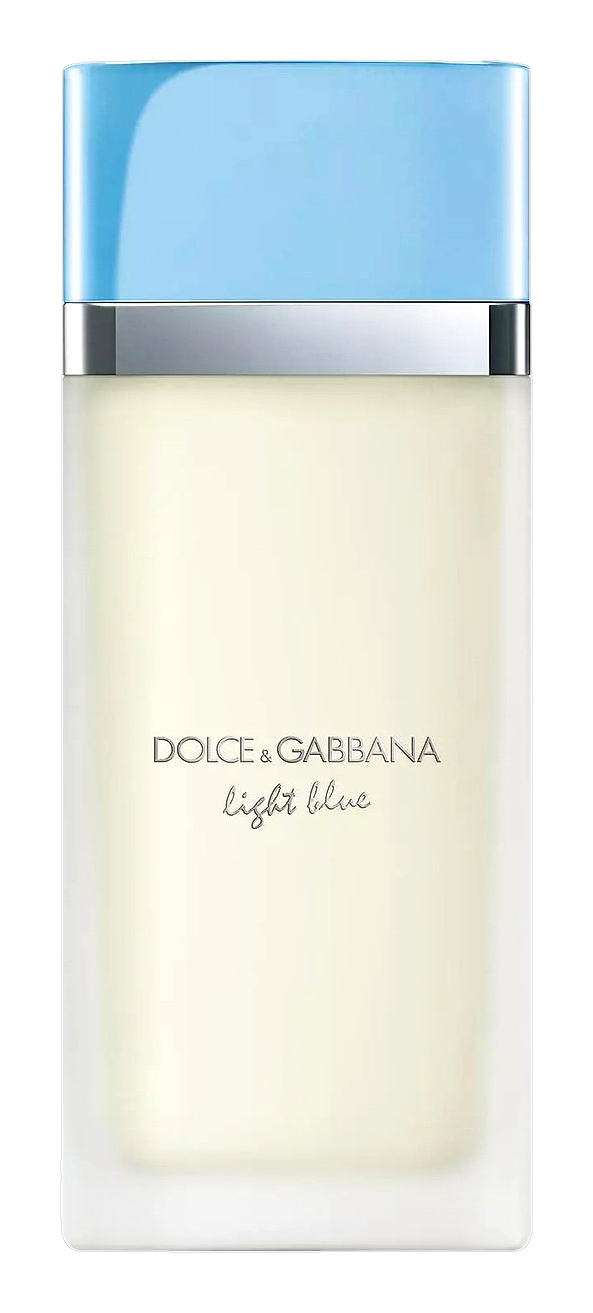
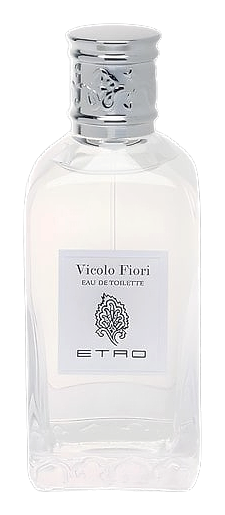
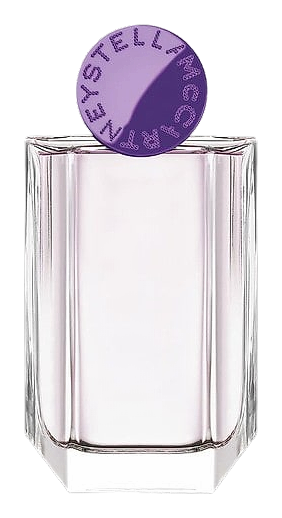
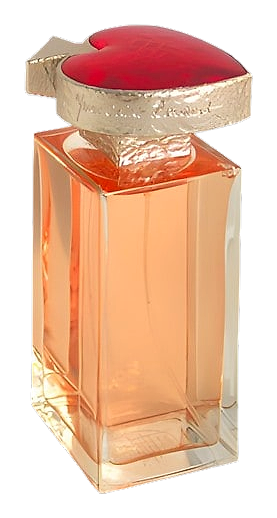
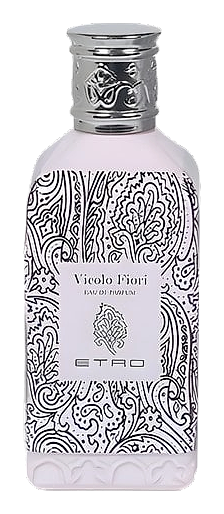
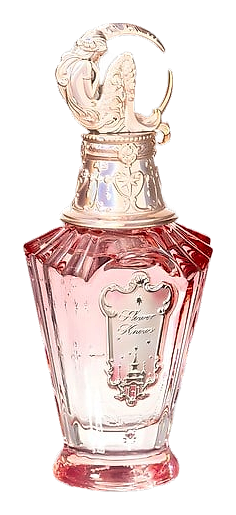
Brands
Brands known for Bellflower
Good to know
Questions, answered
The essentials on Bellflower in perfumery: how it smells, where it comes from, and how it behaves on skin.
What does bellflower smell like?
Bellflower carries a fresh, green scent with mild floral undertones reminiscent of cut grass and morning dew. It lacks the intensity of rose or jasmine, instead offering airy, garden-fresh character that blends easily with other florals.
Is bellflower used in natural perfumery?
Natural bellflower absolute is uncommon. The fresh green notes appear primarily through synthetic aroma molecules in mainstream perfumery. Small-batch artisan producers occasionally use enfleurage to capture the delicate scent.
Which famous fragrances feature bellflower?
Bellflower appears in several green floral compositions. Diptyque's Eau de Lierre and Annick Goutal's Ninfeo Mio both incorporate bellflower's fresh, leafy quality as part of their green accord structures.
Can I grow bellflower for fragrance use?
Garden bellflowers (Campanula species) grow readily in temperate climates with well-drained soil and partial shade. The flowers offer subtle fragrance when crushed, though extraction yield remains very low for practical perfumery.
What fragrance family uses bellflower notes?
Bellflower belongs to the green floral family. Perfumers pair it with galbanum, hyacinth, violet leaf, and other green materials to create fresh, botanical compositions that evoke spring gardens.
Why is bellflower rare in commercial fragrances?
The flower contains minimal aromatic compounds compared to traditional perfumery ingredients. Synthetic alternatives provide consistent, controllable green-floral character at commercial scale, making natural extraction impractical.
Does bellflower appear in perfumery history?
Bellflower does not appear in historical perfume recipes. Unlike rose, jasmine, or amber, it remained outside the perfumery tradition, only entering the fragrance lexicon in the 20th century as designers sought green, natural-smelling accords.
Is bellflower a sustainable fragrance ingredient?
Synthetic bellflower molecules offer excellent sustainability profiles, requiring no land, water, or agricultural inputs. For those seeking natural options, cultivated bellflowers provide garden interest while the fragrance extraction remains minimal-impact.




