The Story
Why it exists.
The beginning
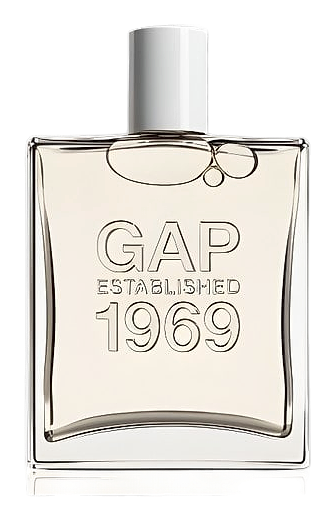
In 2012, Rodrigo Flores-Roux approached Gap's Established 1969 collection with a clear mandate: build a masculine fragrance that smelled like the brand's own DNA. The name gave everything away, 1969 is the year Gap opened its first store on Ocean Avenue in San Francisco, the year Donald and Doris Fisher changed American casualwear forever. The fragrance needed to honor that without becoming a period piece. Flores-Roux reached for Tunisian neroli and citron to establish immediate brightness, then anchored the composition with Italian cypress, a nod to the Mediterranean optimism that ran through California design in those early years. Orange leaf added green dimension. The result was Gap's most structured men's fragrance to date, a woody aromatic that wore its influences plainly and its ambition quietly.
What makes this pyramid interesting isn't any single ingredient, it's how the heart notes subvert the opening. Galbanum and artemisia (wormwood) share a bitter green quality, but where galbanum adds a resinous, almost liquid depth, artemisia brings a sharper, more medicinal edge. Together they create an herbal atmosphere that reads as garden, not perfume. White thyme doesn't contribute obvious spice so much as it reinforces the aromatic foundation, keeping everything grounded in the herbaceous rather than the floral. The base, suede, sandalwood, cypress, is where the fragrance earns its wear-it-every-day credibility. No dramatic animalics, no overt sweetness.
The evolution
The top arrives crisp. Tunisian neroli and citron hit bright, with orange leaf threading green through the citrus so it doesn't read as cleaning product. The brightness holds for about twenty minutes before galbanum pushes through, that bitter green swell that changes the temperature of everything. Artemisia follows, adding an almost medicinal sharpness that some people read as absinthe, others as crushed herb stems. The white thyme is the quietest player in the heart, more felt than smelled. Then suede. The handoff matters here: suede takes over where the green begins to fade, replacing botanical sharpness with something soft and worn. Sandalwood and Italian cypress arrive underneath, adding cream and structure, and for the next three to four hours the fragrance settles into a warm, close, skin-identical presence. Moderate sillage throughout, this is a fragrance that stays in the room with you, not one that enters ahead of you. On fabric, the cypress can linger a full day after the skin drydown fades.
Cultural impact
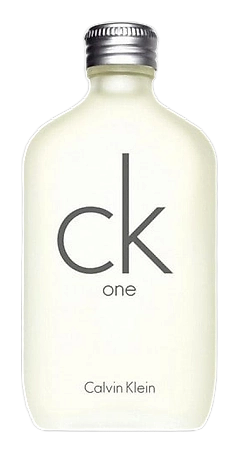
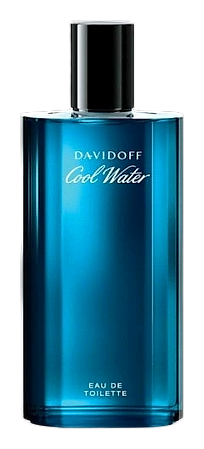
Gap Established 1969 for Men occupies a specific niche: the woody aromatic designed for daily wear without special occasion weight. Community reviews consistently describe it as versatile and unpretentious, a fragrance for someone who wants to smell presentable and personal without projecting status or requiring explanation. It sits alongside CK One and Davidoff Cool Water in the accessible citrus-aromatic category, though its galbanum-artemisia heart gives it more herbal character than either peer. The 2012 launch placed it in a crowded mass-market space, but its moderate sillage and workday longevity made it a quiet workhorse rather than a statement piece.
The House
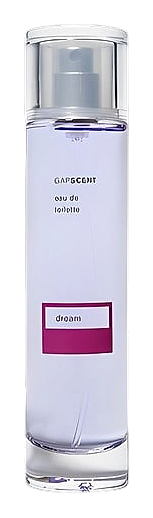
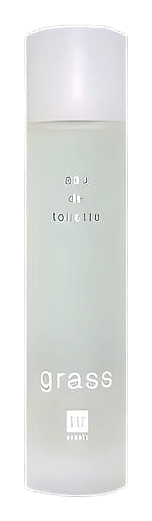
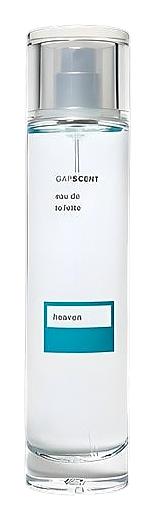
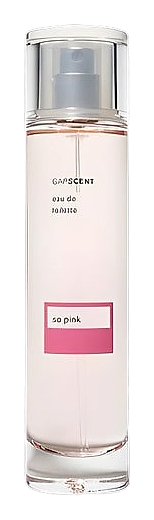
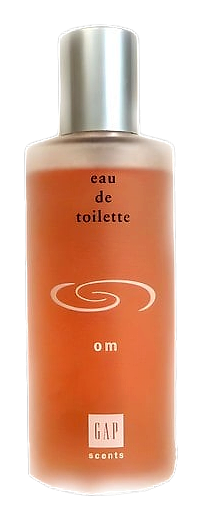
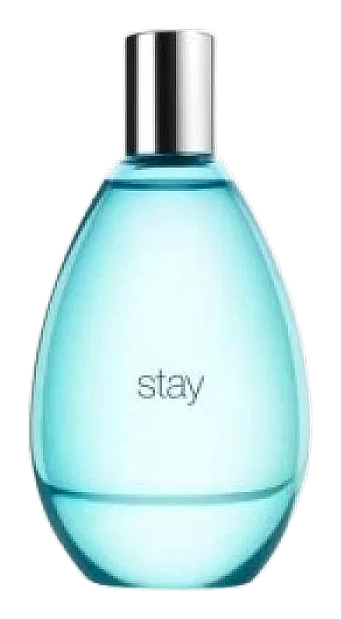
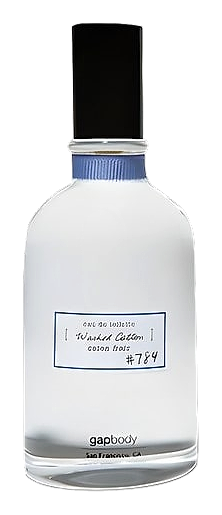
GapGap fragrances represent an iconic chapter in American fashion fragrance history, born from the casualwear retailer that defined 1990s shopping culture. The brand's scent collection captured the accessible, democratic spirit of its parent company, offering fragrances that felt intimately tied to theGap shopping experience. Rather than positioning itself within luxury perfumery, Gap brought an approachable sensibility to fragrance, making scents that evoked wardrobe staples and everyday American moments. The collection gained particular renown for its ability to trigger powerful nostalgia, with fragrances like Heaven, Dream, and Grass becoming cultural touchstones that fans still seek decades later. Gap fragrances occupy a distinctive niche in perfume history, neither high-end niche nor drugstore basic, but something uniquely aligned with mall culture and mid-range American retail at its peak.
The Creator
Rodrigo Flores-RouxFlores-Roux gravitates toward bold, characterful compositions with strong sillage and distinct personalities. He excels at balancing opulent florals against warm woods and resins, and has a particular gift for citrus and neroli interpretations that feel neither precious nor fl…