
The Story
Why it exists.
The beginning
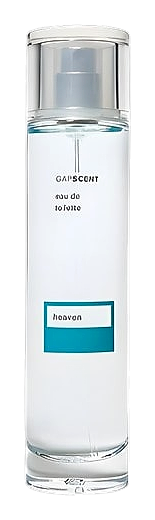
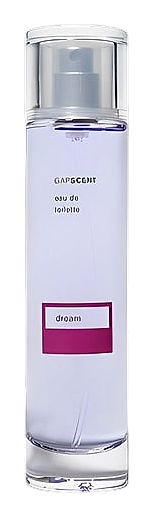
Gap launched into fragrance with a 1994 quartet, Grass, Day, Earth, Heaven, that rewrote what mass-market scent could be. Accessible. Unpretentious. Designed to feel as comfortable as the jeans and khakis on the shelves. By 1995, the brand expanded with Dream, entrusting perfumer Jane Konnyu to capture something harder to bottle than any ingredient: the feeling of uncomplicated desire. Not the performative kind. The kind that shows up in clean sheets and Sunday mornings, in wanting something within reach and actually having it.
What makes Dream interesting is its structural honesty. Six heart notes, freesia, jasmine, orange blossom, osmanthus, lily of the valley, violet, but none of them fight for dominance. They're arranged like a well-organized closet: everything visible, nothing cluttered. The osmanthus bridges top and heart, a small technical move that keeps the opening from feeling disconnected from what follows. Tangerine in the top is citrus without sharpness; the carnation in the base is spice without heat. It's a composition that knows exactly what it wants to be and never second-guesses itself.
The evolution
The tangerine opens clean and immediately cedes ground to the florals. Within minutes, osmanthus and freesia have taken over, soft, slightly fruity, with that characteristic white floral sweetness that reads as powdery without being dusty. The jasmine and violet build quietly through the heart, never overwhelming, creating something that smells like the memory of a fragrance rather than the fragrance itself. The drydown is where Dream earns its name: musk and carnation settle into something skin-close, warm without weight. Three to four hours on most, it fades the way a good afternoon fades, slowly, gently, leaving nothing behind but the feeling that it was nice while it lasted.
Cultural impact
Gap fragrances were a 90s mall landmark. Not in the aspirational, untouchable way of department store fragrances, in the walking-past-the-counter-and-remembering-what-your-mother-wore way. Dream specifically attracted people who wanted the experience of wearing something floral and pleasant without the performance of wearing perfume. It sits in a lineage of accessible white florals alongside Tommy Girl and early Calvin Klein offerings, quieter than its peers, more confident for it.