The Story
Why it exists.
The beginning
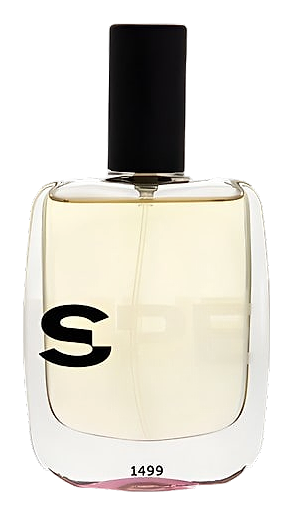
The number 1499 appears without explanation. No date, no price, no clear reference, just four digits and the fragrance they describe. S-Perfume released it in 2014 alongside Kamakura, Himiko, and Musk S, a prolific year for the Japanese house known for treating fragrance as idea rather than product. Pascal Gaurin composed 1499 around myrrh as a structural anchor, building outward into white florals and warm resins.
Myrrh is resin. It is sacred, medicinal, and ancient, and it can read sharp on skin if a perfumer isn't careful. Gaurin's choice to pair it with jasmine sambac is the compositional gamble. Jasmine is warm, creamy, almost dizzy in its sweetness. Myrrh is dark, smoky, grounded. Together they create a tension between lushness and restraint that most orientals don't attempt. The labdanum and amber amplify that tension in the base, adding sweet balsamic depth without ever making the composition feel heavy. The result is a fragrance that smells expensive without trying.
The evolution
The opening belongs to jasmine sambac, arriving bright and creamy before the myrrh catches up. Within minutes they are inseparable. The frankincense announces itself quietly, a thread of smoke rather than a cloud, as amber and vanilla gather underneath. By the heart phase, myrrh dominates. The jasmine softens, losing its sharpness, becoming something warmer and closer to skin. Vanilla and amber enter fully now, sweetening the balsamic register without overwhelming it. The labdanum adds a faint animal warmth that lingers at the edge. At drydown, the jasmine is gone. Myrrh remains, dominant, warm, unapologetic, wrapped in a close veil of amber and vanilla that stays for hours.
Cultural impact
1499 occupies a specific corner of the niche world: warm, resinous, unapologetically oriental in its myrrh-forward structure. Among enthusiasts who seek orientals that reward patience and close-range wear, it has built a reputation as a scent that outlasts expectations. The jasmine sambac-myrrh pairing is uncommon, more often perfumers reach for rose or oud to soften frankincense and amber. That specific combination draws wearers who want warmth without heaviness, and longevity without projection.