The Story
Why it exists.
The beginning
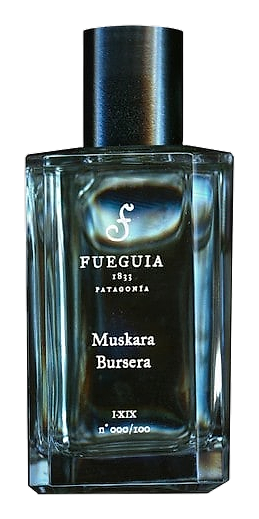
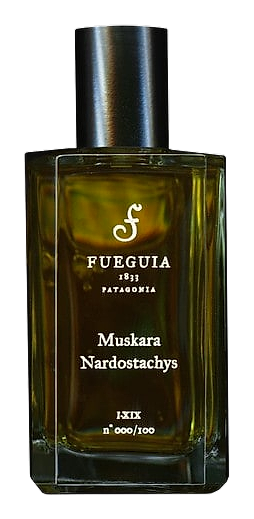
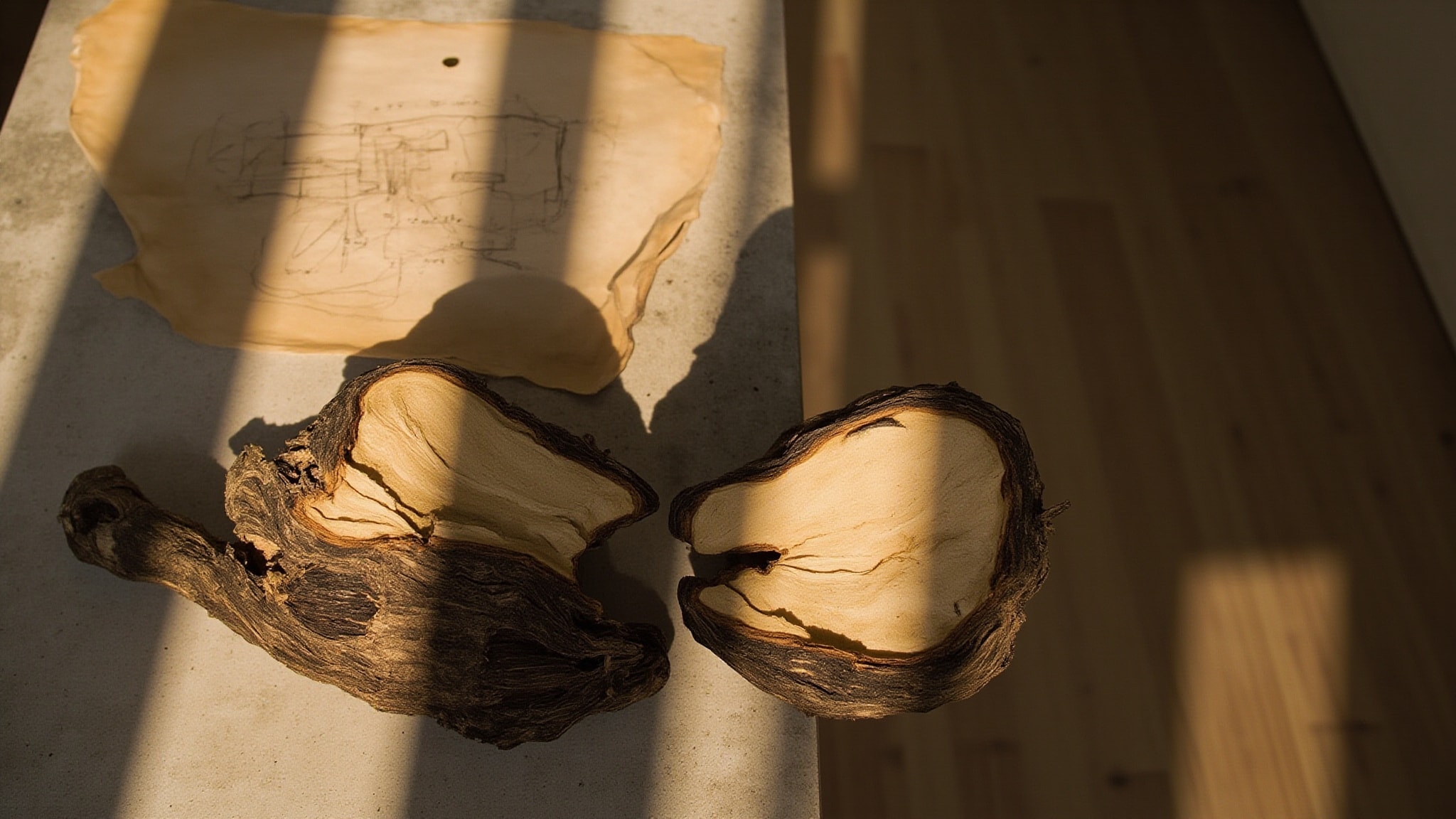
Muskara Nardostachys arrived in 2017 as part of Fueguia 1833's ongoing study of botanical rarities, and its subject is the spikenard plant. Nardostachys, the botanical name embedded in the bottle, names a plant whose essential oil has occupied perfumers for its sheer density and complexity. Julian Bedel, founder and nose, built the composition around this single botanical obsession: a root material so specific in its character that it reshapes whatever it's paired with. The Muskara line itself explores musk as a dialogue between raw material and wearer. Here, the dialogue is hushed. The plant speaks first, in deep earthen tones, and your skin answers back in warmth. The opening carries a cool dryness, almost green, before the root's weight settles in and reshapes the air around the wearer.
Spikenard carries a heavy, root-like warmth with herbal bitterness and an almost animalic depth, qualities that make it a demanding material in any composition. In Muskara Nardostachys, the interaction between the spikenard and the musk base creates something neither material achieves alone. The essential oil's density is offset by the musk's softness, and the musk in turn borrows gravity from the root. The result is a composition where each material's limitations become the other's strengths.
The evolution
The first spray lands cool and dry, almost mineral, with a brief flash of something green and slightly bitter, like snapping a spikenard stem and catching the sharp sap before the warmth arrives. Within fifteen minutes, the root asserts itself. The sharpness fades into something denser: dark, earthy, faintly sweet in the way that root vegetables are sweet after roasting. Musk begins to surface around the thirty-minute mark, and the composition shifts from a botanical specimen to something more personal, more skin-like. The drydown is where this fragrance earns its keep. Six hours in, what's left is a warm, dusty musk that reads less like a fragrance and more like the smell of cashmere stored near dried herbs. On fabric the next morning, a faint trace of the root's bitterness persists, almost like an old book left in a wooden drawer.
Cultural impact
Muskara Nardostachys sits comfortably in a register that rewards close attention rather than broad projection, the kind of composition that reveals itself gradually over a full wearing. It appeals to wearers who prefer their fragrance integrated rather than assertive, present but not declarative. The spikenard gives it a gravitational pull that keeps it anchored close to the skin, while the musk softens the edges into something that feels personal and specific to the wearer. In practice, it behaves more like an aura than a statement, gaining depth the longer it's worn.
The House
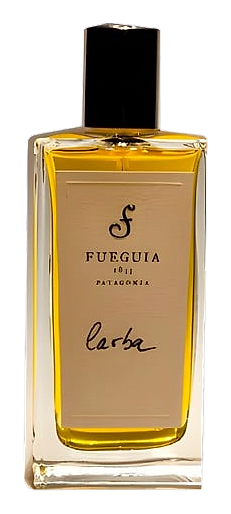
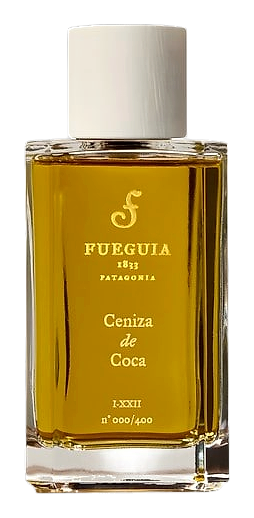
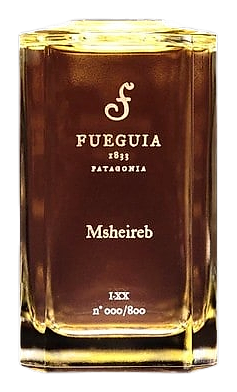
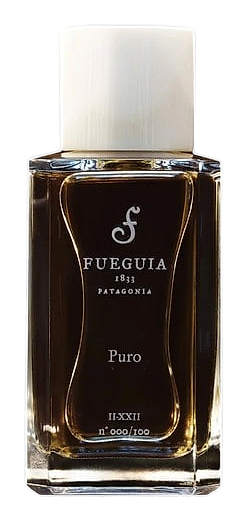
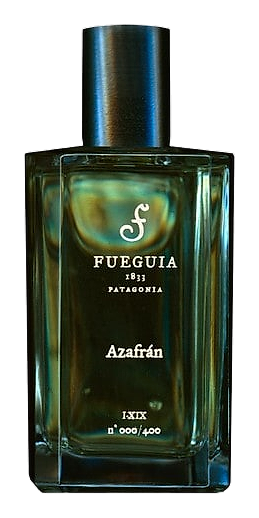
Fueguia 1833Fueguia 1833 is an Argentine fragrance house that creates limited‑edition scents rooted in the botanical heritage of Patagonia. Each perfume draws on medicinal plants harvested from the region’s wild landscapes, and the brand presents its creations as vintage‑style bottles that evoke a sense of travel and memory. The house operates a vertically integrated supply chain, growing, extracting and bottling its own raw materials, which allows it to maintain tight control over quality and environmental impact. Its collections, such as Rosa de los Vientos (2018) and Oud Jungle (2022), have attracted collectors who value authenticity and a narrative that links scent to place.
The Creator
Julian BedelJulian favors a palette that mixes rare South American botanicals with classic European absolutes. He often extracts essential oils from medicinal herbs such as catuaba, calafate and patagonian tea, then anchors them with ambergris, cedar and fine musks.