The Story
Why it exists.
The beginning
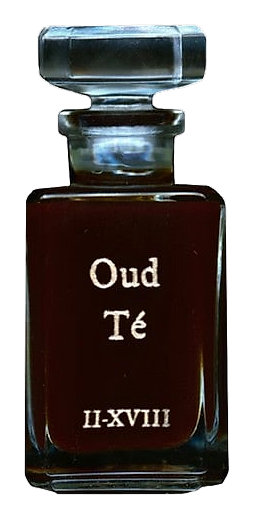
Oud Té arrived from Julian Bedel's Buenos Aires laboratory, part of the broader catalogue Bedel has built around botanical investigation. Bedel's training runs toward the intersection of plants and culture, and his work treats each release as an expedition in miniature, a question asked of a plant and answered in composition. Two ingredients. No floral softening, no citrus gloss, no spicy lift to make the agarwood palatable for first-timers. The brief was clarity: what does oud actually smell like when you stop hiding it behind everything else? It's a minimalist proposition that asks the wearer to pay attention rather than be distracted.
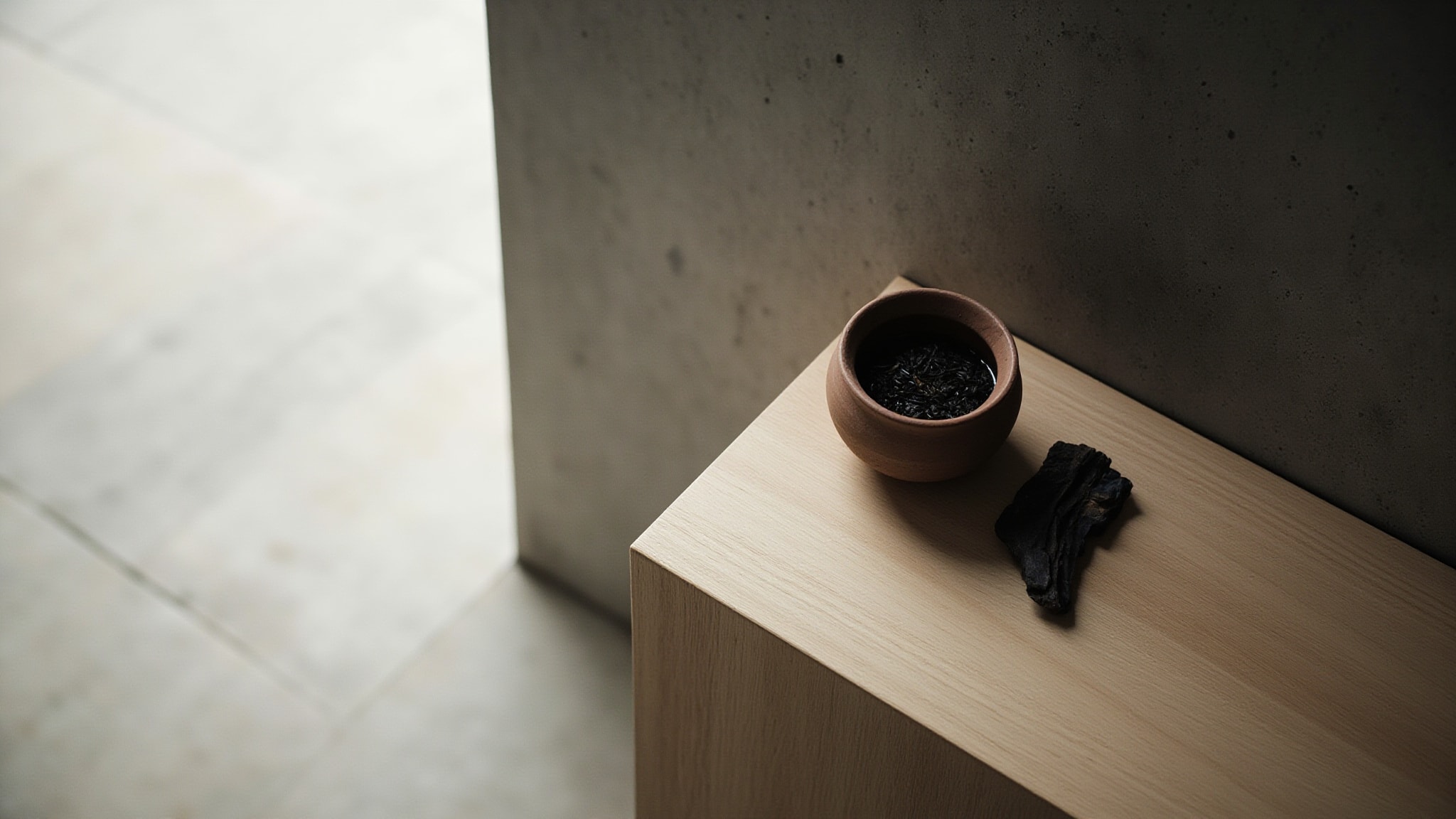
The choice to pair black tea with agarwood is unusual for a reason. Most oud fragrances round the resin out with rose, saffron, or fruit notes that buffer its rougher edges, what enthusiasts often call the funk. Bedel went the other direction. Black tea, in its darker fermented expressions, shares an aromatic register with oud. Both notes carry a certain phenolic warmth, a smoky bitterness that comes from leaf and wood alike. By building the composition around this shared territory, the perfumer creates a conversation between leaf and wood where neither one needs to perform.
The evolution
The opening is brief and almost reluctant, a bright flicker of fresh-steeped tea leaves and the faintest woody hum that could pass for a plain black tea soliflore if you weren't paying attention. Don't be fooled. Within ten minutes, the agarwood pushes through, and the scent shifts into something drier, more resinous, like a cabinet of cured tea blends left open in a room with no windows. The heart is where Oud Té lives, a long plateau of oud-tea interplay that can run three or four hours on decent skin. There's no sweetness to round it off, no musk to soften the landing. The oud dominates by volume, but the tea keeps it honest, keeps it from tipping into territory that would scare off the uninitiated. The two notes orbit each other rather than competing, each one sharpening the other.
Cultural impact
For someone who already knows they like agarwood and wants to hear it without adornment, this is a precise, almost academic answer. Wearers tend toward colder weather and quieter settings, the kind of close quarters where projection matters less than what gets left behind on fabric the next morning. The fragrance rewards a slow, attentive wearer and frustrates anyone looking for immediate sweetness or loud sillage. It belongs to a small category of dry, two-note compositions that trust the raw materials to carry the whole conversation without a supporting cast. Oud Té doesn't try to make agarwood approachable or friendly.