The Story
Why it exists.
The beginning
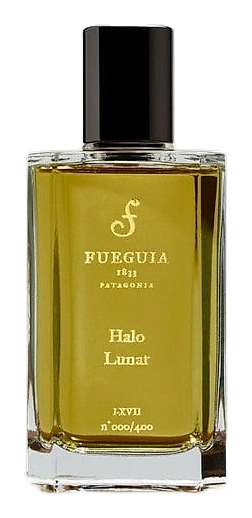
Julian Bedel named this one for the Patagonian moon ring, an atmospheric phenomenon where ice crystals in the upper atmosphere bend moonlight into a luminous halo. It appears on certain cold nights over the steppe, turning the sky strange and quiet. The fragrance translates that clarity: cool, herbal, still. The kind of night where you can see your breath and the stars don't compete.
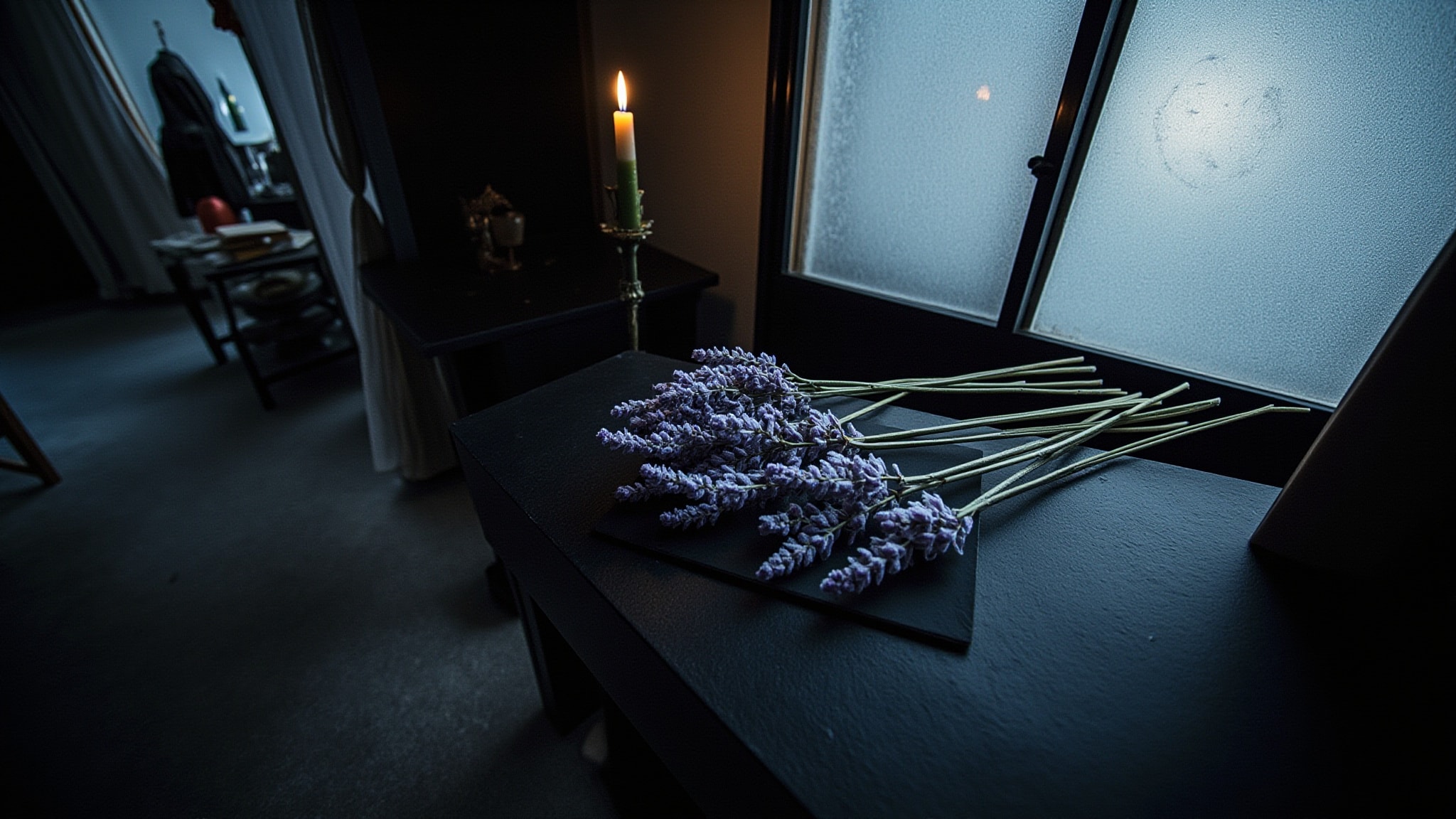
The structure is a study in contradiction. Lavender opens cool and almost medicinal. Ambergris arrives warm, animalic, contradictory. Sandalwood smooths the hand-off into something creamy and grounded. Each material pulls in a different direction, yet the composition holds. The tension is the point, the way moonlight itself is a contradiction, reflected light that burns like something solid.
The evolution
The first minutes are all clarity. Lavender arrives sharp and clean, herbal in the way that cold air is herbal, the scent of high altitude and clear skies. Then ambergris edges in, not aggressive, but present. It softens the lavender without replacing it. The two notes coexist in a space that's cool and warm simultaneously, the way moonlight warms nothing but looks like it should. Within the hour, sandalwood takes over, creamy, intimate, close to the skin. The sillage stays moderate throughout. It doesn't announce. It settles. Expect 5-7 hours of quiet presence before the sandalwood fades to a soft trace. On fabric, it lingers for days.
Cultural impact
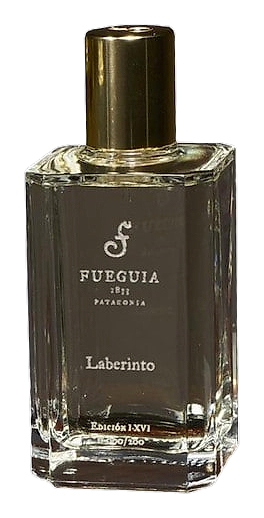
Part of the Alquimia collection, Halo Lunar sits at the quieter end of the Fueguia 1833 range. It's not trying to convert anyone, the ambergris keeps it divisive, the lavender keeps it specific, the sandalwood keeps it wearable. Wearers describe it as the scent of someone who doesn't need the room to know they're there. It's become a quiet collector's piece among those who value rarity over performance, discovery over familiarity.