The Story
Why it exists.
The beginning
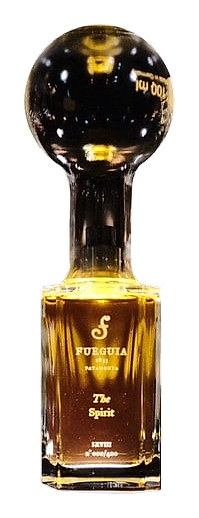
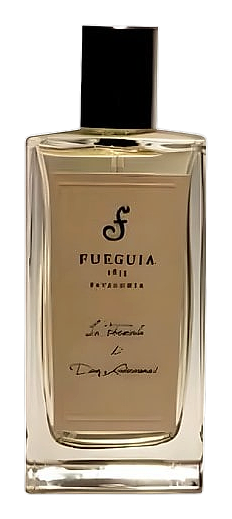
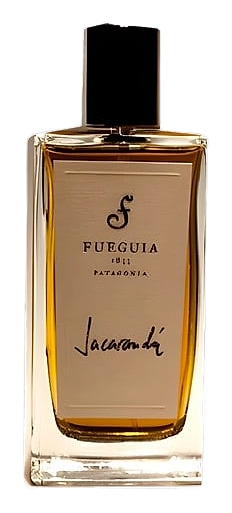
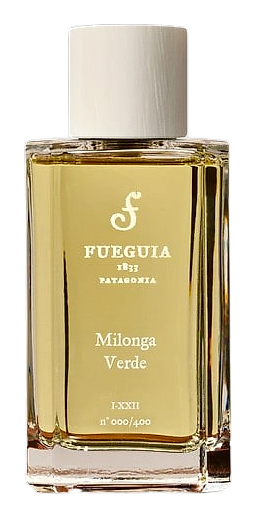
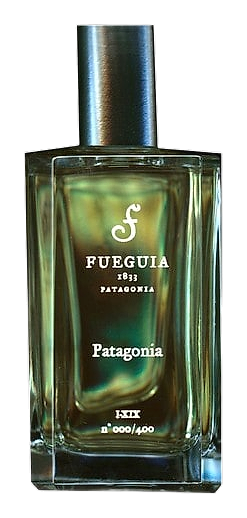
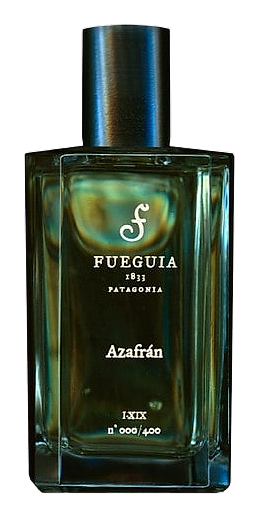
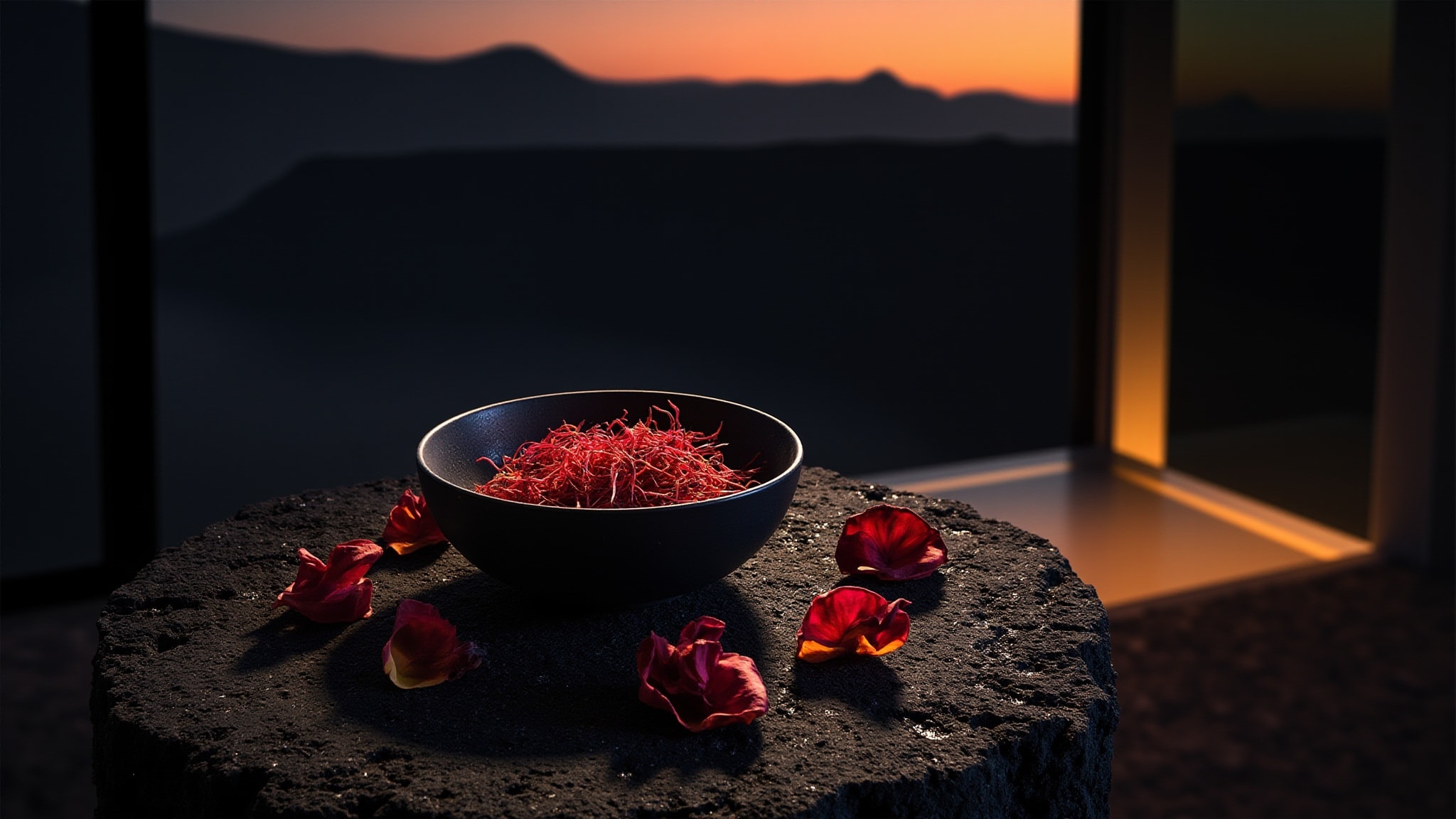
Azafrán emerged from the Linneo collection, Fueguia 1833's ongoing botanical taxonomy, each fragrance named for a concept, a place, a moment in natural history. The Santorini reference in the brand's own copy, cave paintings of saffron harvest unearthed beneath volcanic ash, points to the central idea. The fragrance opens with saffron's bright, metallic edge, the kind that catches light and demands attention. As it settles, the rose emerges at the heart, warm and honeyed, weaving through the composition without overwhelming it. The drydown reveals a soft amber that lingers on the skin, giving the fragrance its staying power. Azafrán is an attempt to translate that survival into scent, capturing something ancient and resilient in each stage of its evolution on the skin.
Saffron as a top note is uncommon. The spice is expensive, its aromatic compounds volatile, they burn off quickly, leaving behind the stain but losing the scent. Bedel's approach here treats the saffron as the protagonist, not the accent: a bright, almost metallic opening that reads medicinal before it reads sweet. The rose that follows isn't the rose of fresh petals. It's darker, rootier, the kind of rose that grows in volcanic soil and smells like the earth it came from more than the flower itself. Amber anchors the composition, not as a soft finish but as a resinous warmth that extends the drydown well beyond what the note count suggests.
The evolution
The opening arrives bright and direct, saffron's metallic sweep across the skin, that distinctive almost-honey bitterness that makes the spice unmistakable. There's no delay, no teasing preamble. Within minutes, the rose pushes through: not sweet, not watery, but dark and mineral, the kind of rose that grows where the soil remembers ancient fire. The amber doesn't compete. It settles beneath, warming slowly as the top notes begin their quiet retreat. By the second hour, the composition has simplified into something warm and resinous, amber-forward with just enough saffron residue to remind you it started somewhere else. On fabric, the drydown persists into the evening, close, warm, the kind of scent you catch when you lean in, not the kind that announces itself across the room. Skin holds it longer than clothing. The next morning, a faint warmth remains at the pulse points, amber and memory.
Cultural impact
In a niche market that often equates complexity with quality, Azafrán makes a quiet argument for intention. The Linneo collection positions each fragrance as a study rather than a statement, and this one, with its volcanic-terroir rose and saffron-forward opening, rewards the wearer willing to notice rather than to project. The three-note construction avoids collapsing into concept without substance. The saffron itself carries: bright, metallic. The volcanic-terroir rose grounds the heart, while the amber base adds depth without excess. This is a fragrance for someone who notices, and it holds.