The Story
Why it exists.
The beginning
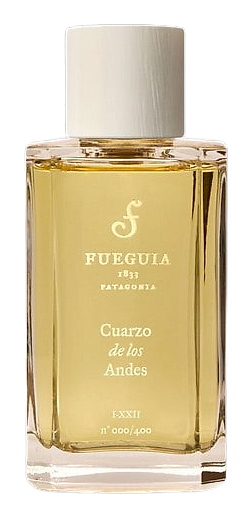
The Destinos collection maps territory through scent, each fragrance a coordinate, a reason to stop. Cuarzo de los Andes arrived in 2022 as Julian Bedel's study of a single mineral phenomenon: the translucent quartz veins that run through Patagonian rock, pink at their core, carrying the memory of ancient mountain water. The idea wasn't to bottle a landscape. It was to bottle what a landscape leaves on skin, that mineral coolness, that sense of depth below the surface.
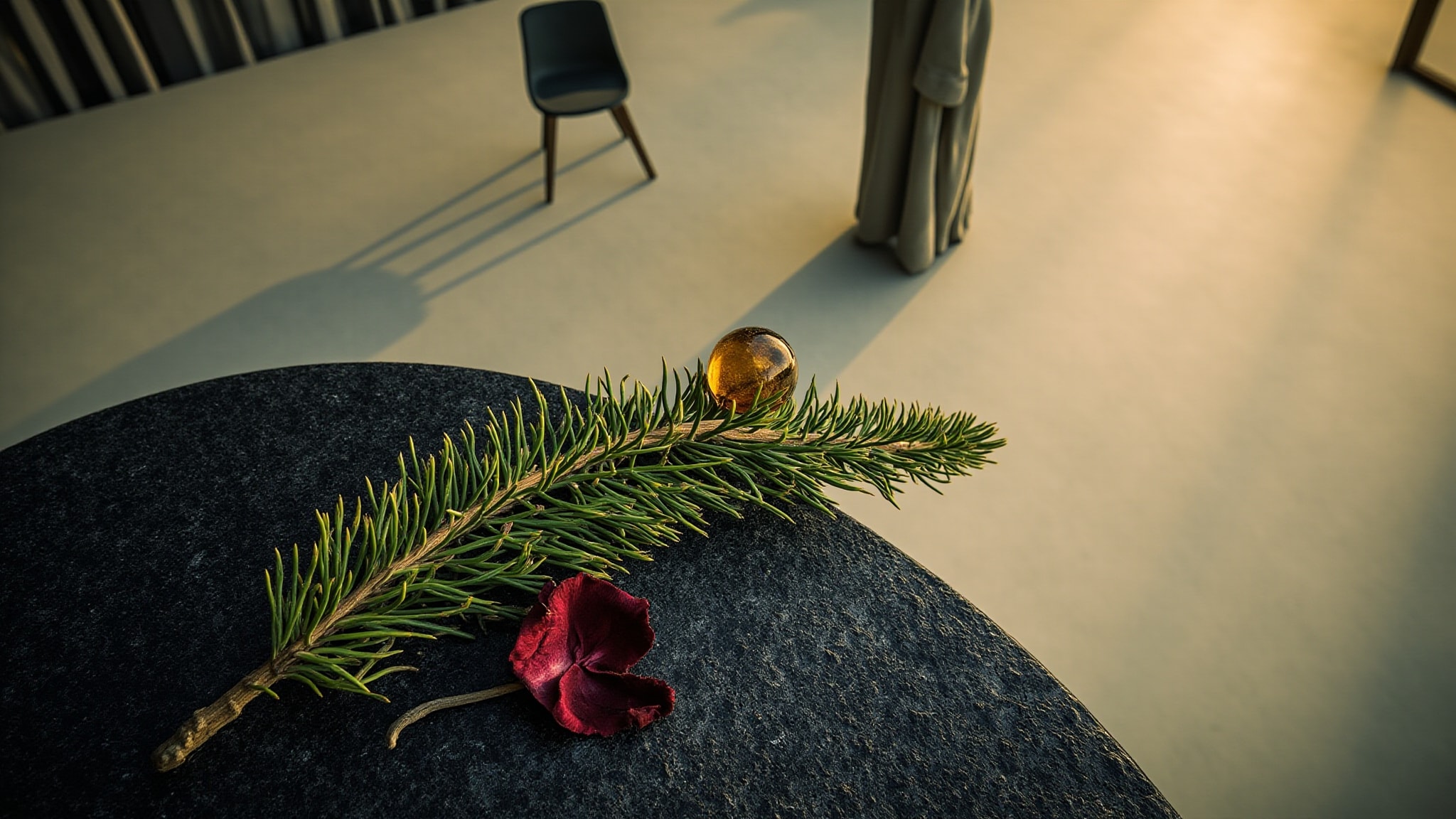
Three notes. That's the whole architecture. Amber opens warm and resinous, not loud, but present. The araucaria, that towering Patagonian conifer the brand has made its signature, provides the base structure: aromatic, faintly animalic, grounding everything in the southern earth. Between them: rose. But not a garden rose. Something powderier here, as if the petals dried against volcanic stone. The composition isn't trying to impress. It's trying to be true, to the place, to the material, to the person who chooses it.
The evolution
It begins warm. Amber announces itself softly, golden and resinous, before the rose begins its slow rise. The araucaria doesn't compete, it waits. Holds the base while the floral climbs, peaks, and then quietly softens into powder. What lingers is the araucaria: its resinous, slightly animalic depth, the memory of bark and cold air. Six to eight hours on most skin. Moderate sillage throughout, never projecting far, always present. The next morning, there's a faint warmth on the wrist. Not the rose. The amber, still working quietly.
Cultural impact
Within the Destinos collection, Cuarzo de los Andes occupies a particular space: quiet, mineral-forward, for the wearer who treats fragrance as personal field notes rather than statement. It won't fill a room, that's not the point. The araucaria-amber foundation appeals to those who appreciate resinous depth without heaviness, and the powdery rose provides just enough softness to keep it approachable.