Araucaria
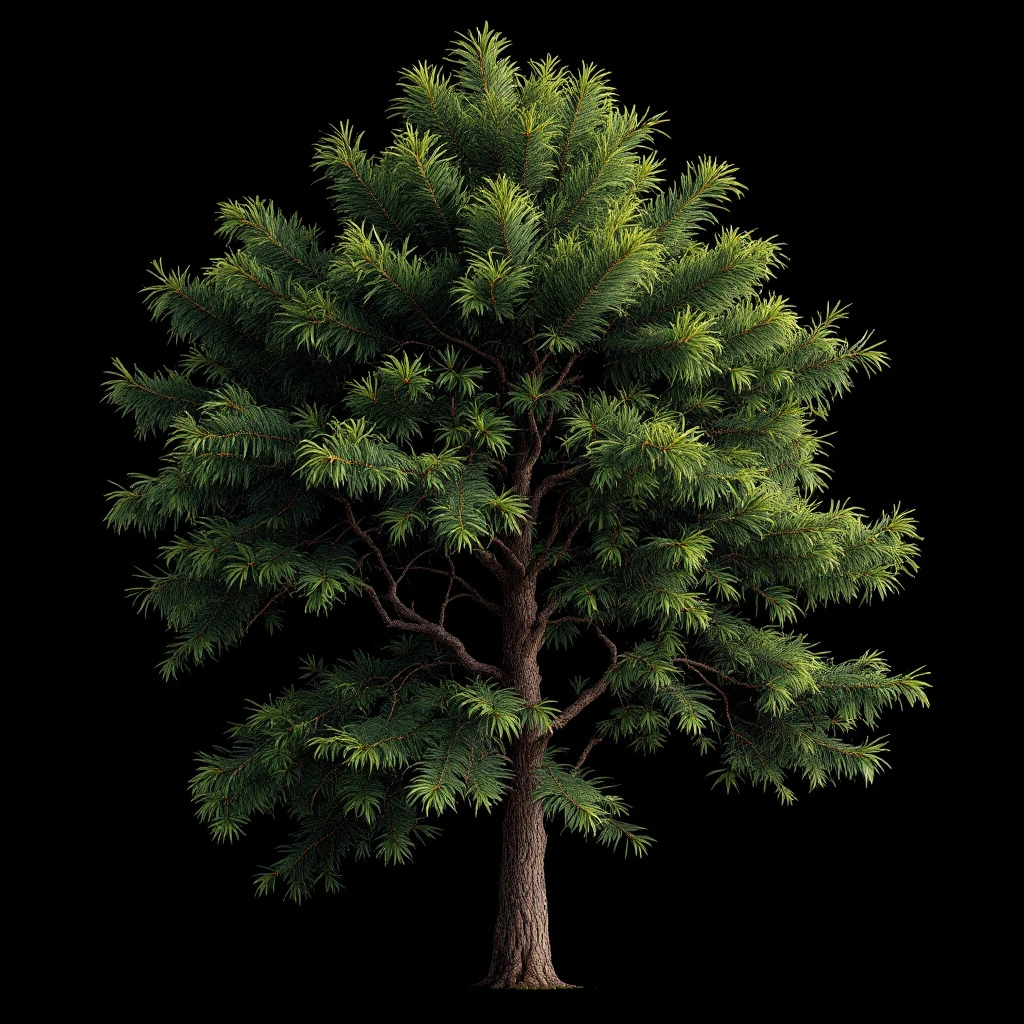
Araucaria wood oil brings warm, resinous forest depth to fragrances. This South American timber delivers conifer freshness with earthy, slightly sweet undertones that anchor compositions from within.
Character
How it smells
Ancient South American wood, deep forest resonance
Some araucaria specimens in Brazil's forests are over 400 years old, predating European colonization.



Origin
Brazil
The araucaria tree holds deep roots in South American culture and ecology. Indigenous peoples of Brazil and Argentina relied on araucaria nuts as a food source for centuries before European contact. They also incorporated the wood and resin into traditional medicine and ceremonial practices.
During the colonial era, araucaria forests grew so vast that colonial authorities used the tallest trees as markers for land boundaries. The tree's distinctive silhouette, with branches growing only at the crown, made them visible from great distances across the landscape. Today, araucaria angustifolia grows primarily in southern Brazil's highlands, with significant populations in the state of Paraná.
Brazil declared the araucaria its national heritage symbol. Wild populations face pressure from agriculture, but sustainable plantation cultivation ensures continued availability for perfumery. Some ancient specimens in southern Brazil are estimated at over 400 years old, making them living connections to pre-colonial forests.
Wears it best
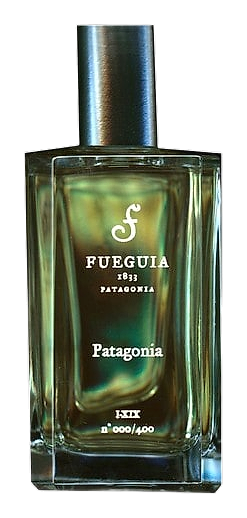
Fragrances featuring Araucaria
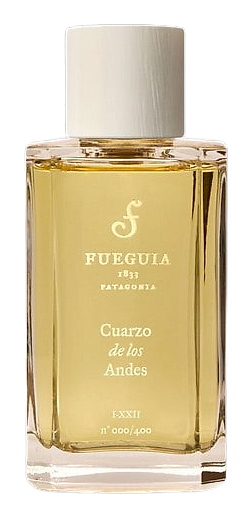
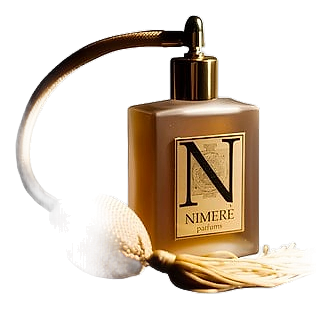
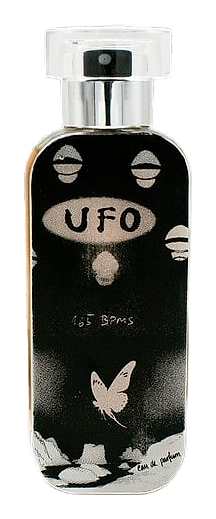
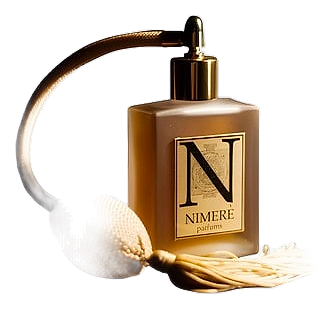
Brands
Brands known for Araucaria
Good to know
Questions, answered
The essentials on Araucaria in perfumery: how it smells, where it comes from, and how it behaves on skin.
What does Araucaria smell like?
Araucaria wood oil smells warm and resinous with conifer and pine needle top notes, earthy undertones, and a subtle sweet-resinous base. It adds forest depth and a slightly camphorated quality to fragrances.
Is Araucaria a natural or synthetic ingredient?
Araucaria is a natural ingredient. Steam distillation of araucaria wood produces the essential oil used in perfumery. Sustainable sources now cultivate araucaria on plantations to protect wild populations.
Where does Araucaria essential oil come from?
The primary source is Araucaria angustifolia in southern Brazil, particularly the states of Paraná and Santa Catarina. Some production also comes from Australia, where related species grow on managed plantations.
What type of fragrance is Araucaria used in?
Perfumers use araucaria primarily in woody and forest-themed fragrances as a base note. It adds warmth, depth, and fixative properties to compositions featuring other conifer and resinous materials.
How is Araucaria oil extracted?
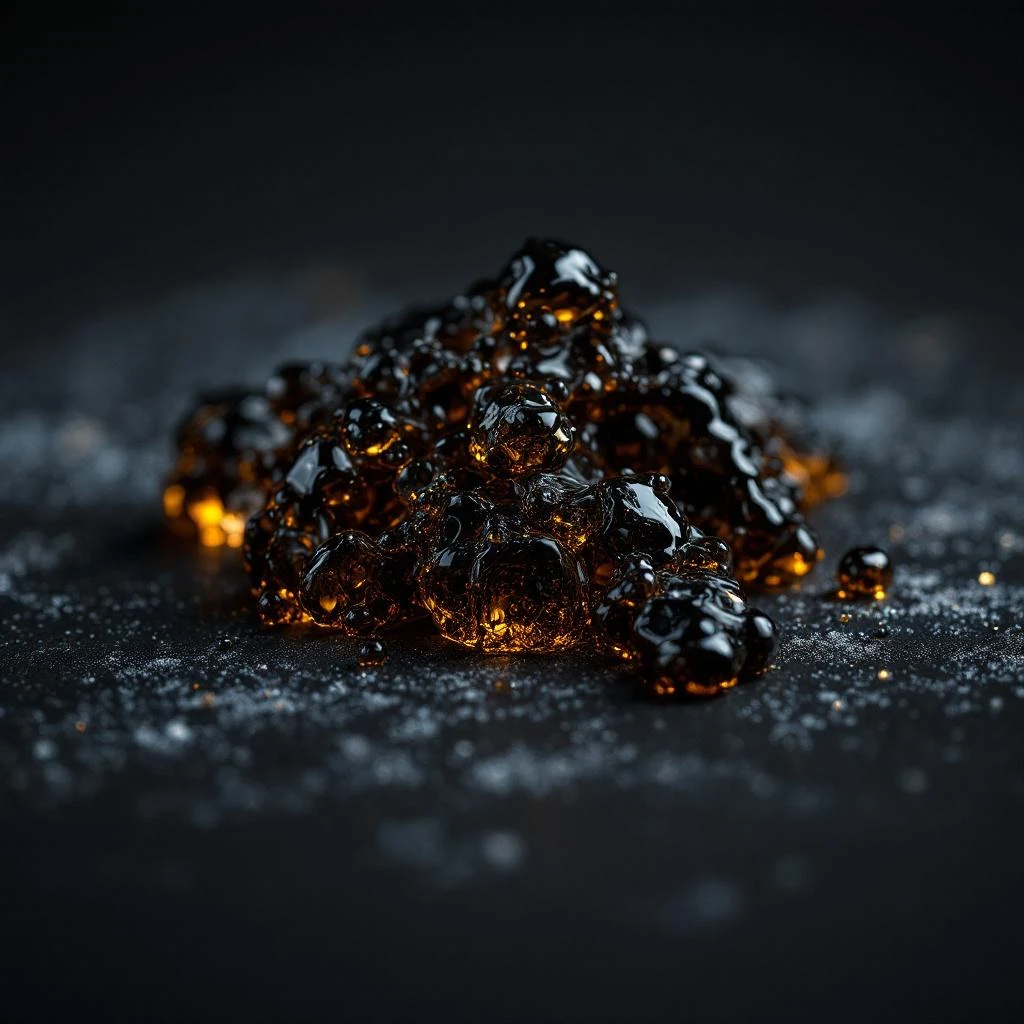
Producers extract araucaria oil by steam distilling dried wood chips for several hours. The steam releases volatile aromatic compounds, which condense and separate from the hydrosol water, yielding a viscous amber oil.
Does Araucaria have traditional uses beyond perfumery?
Indigenous South American communities used araucaria nuts as food and incorporated the tree into traditional medicine and ceremonies. The tree remains Brazil's national heritage symbol today.
How does Araucaria differ from pine in fragrance?
While both belong to conifer families, araucaria comes from a different genus than true pine. Its aroma is warmer and more resinous with earthier undertones, whereas pine oil tends toward sharper, more medicinal freshness.
What role does Araucaria play in fragrance composition?
Araucaria functions as a base note that adds warmth, depth, and resinous character to fragrances. Its fixative properties help extend the longevity of lighter top and heart notes, particularly in woody and conifer compositions.