
The Story
Why it exists.
The beginning
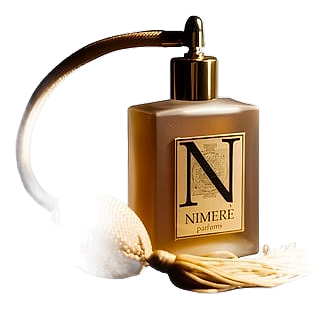
The title points to correspondence, to letters written under the weight of melancholy, the kind of person who puts everything into words because silence feels unbearable. Nikolay Eremin built this composition like a long letter: the saffron opening is the first line, bold and deliberate. Iris and incense form the body. The base is the signature, something indelible that stays on the page. It's fragrance as epistle, scent as syntax, and the wearer's skin becomes the paper it arrives on.
What makes this composition unusual is the calamus in the opening, a root note that's simultaneously aquatic and green, almost medicinal. Most fragrances reach for bergamot or citrus to start a conversation. Calamus starts one that doesn't resolve quickly. The five heart notes (iris, violet, ylang-ylang, frankincense, palmarosa) should clash, but Eremin lets them occupy the same space, powdery florals alongside smoky resin, without forcing harmony. The result is a fragrance that feels written, not assembled.
The evolution
The saffron arrives first, bright and almost brittle. Calamus adds a green snap beneath it. Within minutes the iris and violet arrive, powdery, slightly waxy, and ylang-ylang's tropical sweetness tempers the dryness. By the 20-minute mark, frankincense smoke begins threading through everything. Tobacco follows, never dominant but persistent. The base is where it earns its hours: vetiver and guaiac wood create an earthy-smoky structure, patchouli and cedar build density, tolu balsam and vanilla sweeten the finish without softening it. Oakmoss lingers into the drydown, giving it that chypre edge. On fabric, the tobacco and vanilla stay close, intimate sillage, the kind someone standing beside you might notice, not someone across the room.
Cultural impact
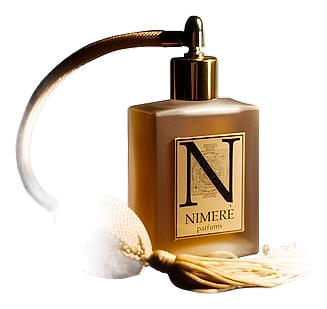
Nimere occupies a specific corner of niche perfumery: collectors who want olfactory narratives, not just pleasant scent. Melancholy. Letters of Wallice fits that mission. It's dense enough to reward the person who wears it multiple times, who notices new details with each encounter. The literary framing isn't decoration, it's the point.