The Story
Why it exists.
The beginning
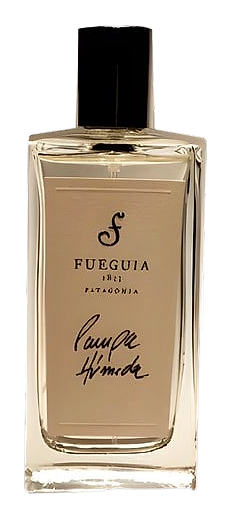
Julian Bedel created Pampa Húmeda as part of the Destinos collection, a series of fragrance studies rooted in Argentine landscapes. The name translates directly: damp pampa, the vast grassland plains of central Argentina. The concept arrived from literature: Sir William Henry Hudson's descriptions of the Pampas, written from memory after he'd left for England, captured a landscape that existed somewhere between observation and longing. The Pampero wind, the cold blast that sweeps down from the Andes and clears the clouds after rain, became the fragrance's conceptual anchor, a wind that transforms an already-green prairie into something luminous. The Destinos collection treats each fragrance as a destination, a place you arrive at through scent.
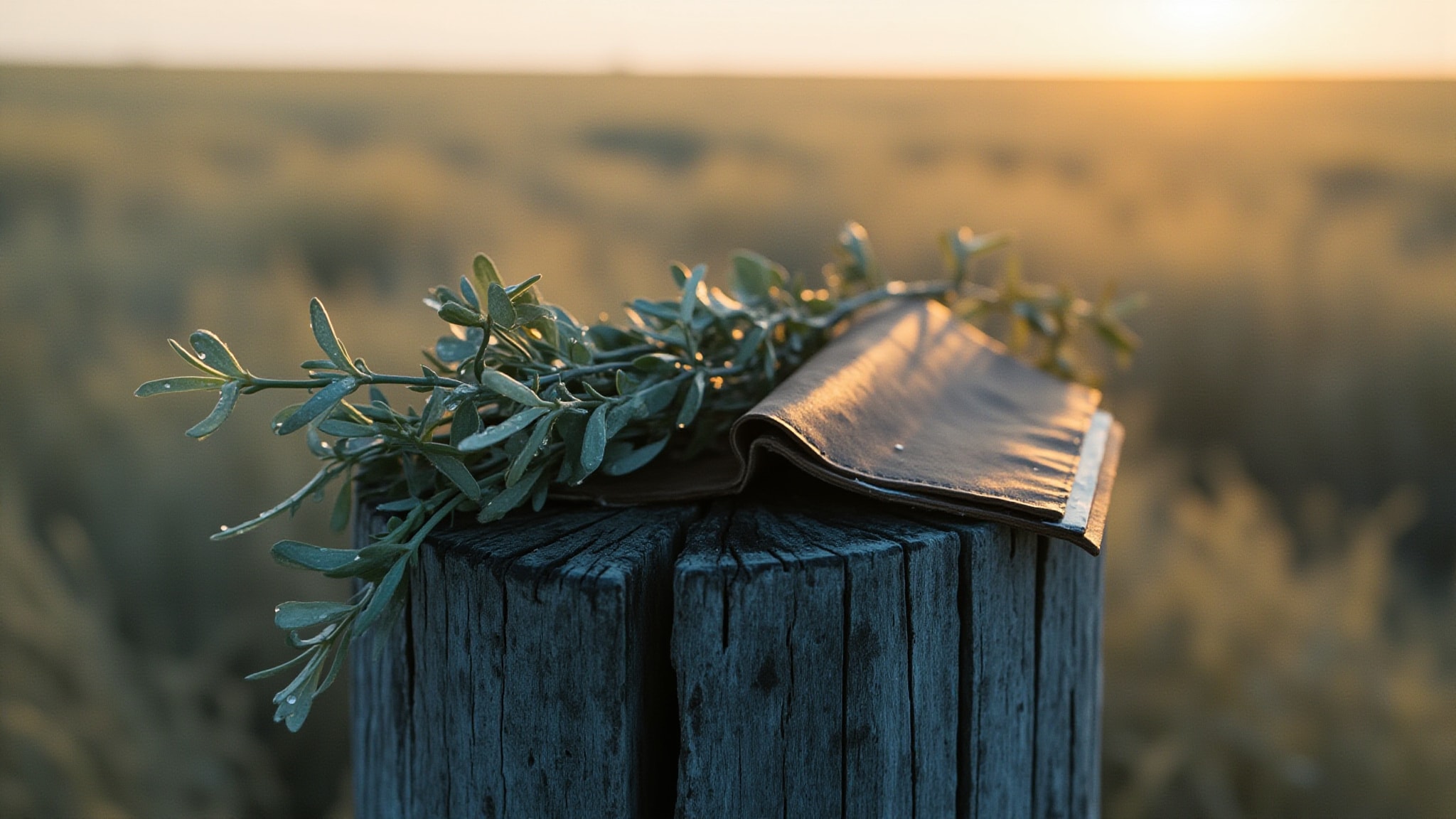
Three notes. Most fragrances pile on complexity to avoid scrutiny. Pampa Húmeda earns attention by stripping things back. Green leaves provide the damp grass character, not a generic fresh note but something with weight, with the slightly animalic reality of crushed vegetation. Eucalyptus gives the fragrance its mentholated clarity, a coolness that cuts through rather than comforts. Rosemary in the base adds warmth, Mediterranean herb meets Patagonian green. The choice to work with just three materials isn't poverty, it's confidence. Each note does exactly what it needs to do, and nothing else is invited to the conversation.
The evolution
The opening hits sharp and brief, that alcohol note some reviewers mention dissipates in minutes, revealing what the fragrance is actually about. Green leaves. Crushed, wet, alive. There's something slightly raw about it, almost animalic in the way real grass smells when you press it underfoot. Not perfumed grass. Actual grass. Around the 15-minute mark, eucalyptus takes over. This is the heart of the fragrance, cool, camphorated, medicinal in the best way. Think of the smell of a Patagonian forest after rain, eucalyptus trees releasing their oils into cool air. It stays. For hours. The green-and-herbal character doesn't fight for attention; it simply persists, holding the line while the top notes fade. The drydown arrives quietly, around hour four. Rosemary emerges, lending a warmer, more familiar herbal quality. Not Mediterranean, this rosemary grows in the same landscape as the eucalyptus, so it reads as part of the whole rather than imported. What lingers is green, herbal, close. On fabric, it can persist into the next day, a ghost of the morning rain.
Cultural impact
Pampa Húmeda occupies an unusual position in the Destinos collection, a fragrance that doesn't try to please but instead invites. The green-eucalyptus-herb structure is uncommon in mainstream perfumery, which tends toward sweeter, more approachable profiles. For wearers who find most fragrances too soft or too sweet, this represents something honest: a Patagonian morning after rain, captured in a 100 ml bottle. The moderate sillage means it works best in close quarters, an intimate fragrance for someone who doesn't need to announce themselves.