The Story
Why it exists.
The beginning
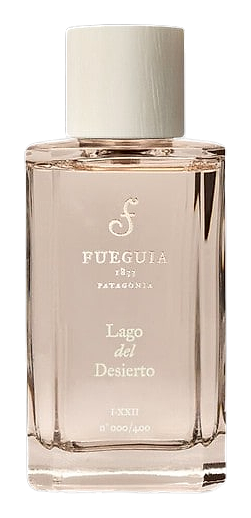
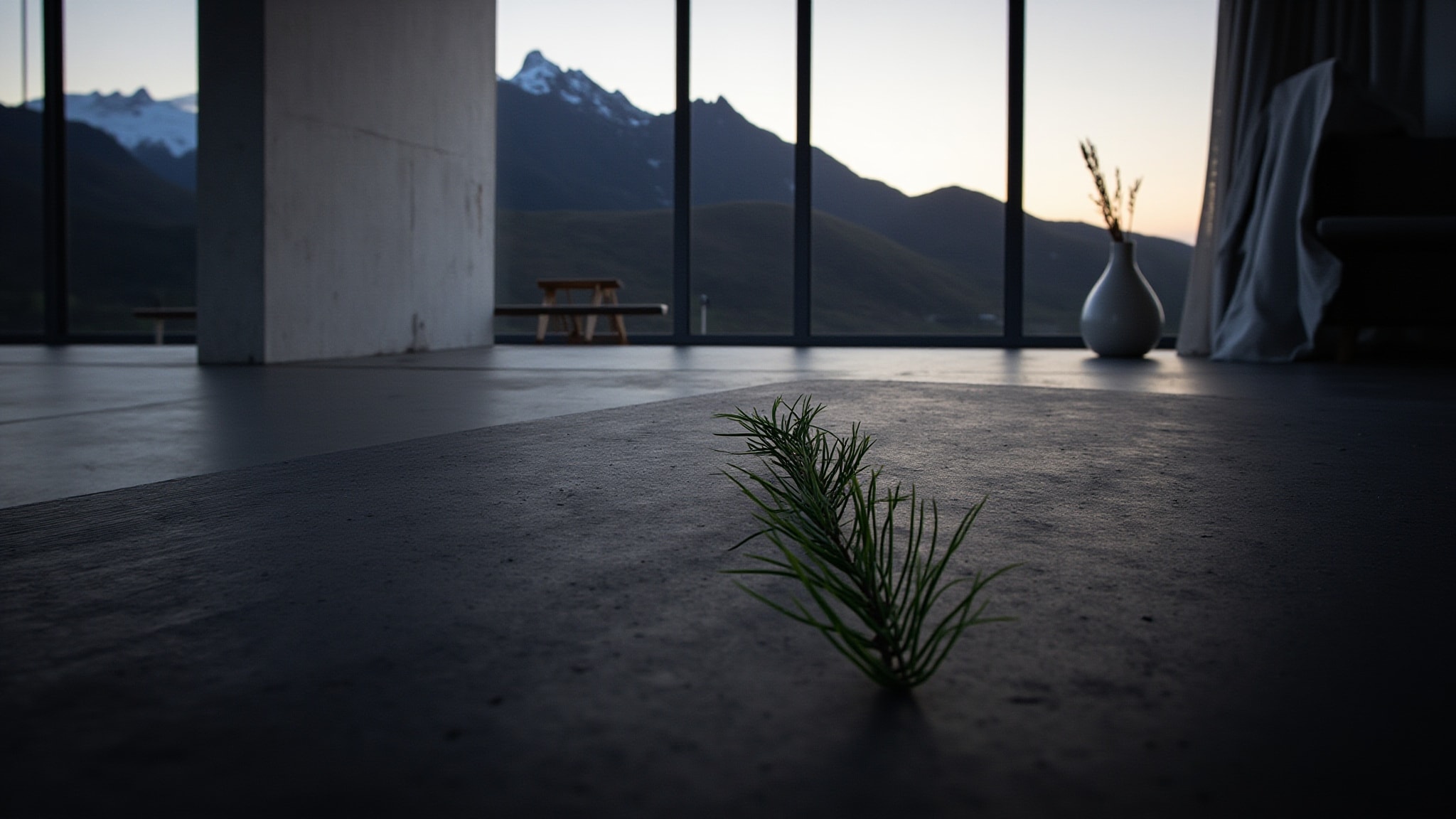
Lago del Desierto, the Lake of the Desert, sits at the foot of Mount Fitz Roy in Argentine Patagonia, where glaciers meet stone and lenga forests run to the edge of the wind. Julian Bedel designed this fragrance as a scent memory of that landscape: the sharp mineral clarity of glacial water, the cold green breath of lenga trees, and the warmth that coihue wood holds deep in its grain. Released in 2010 as part of the Destinos collection, it translates a specific place into something you can carry.
What makes this composition unusual is the restraint. Most aquatic fragrances lean into synthetics to achieve that cold-water effect. Here, the lenga and coihue woods do the work, their natural green, slightly medicinal character reads as cold without being clinical. The musk amplifies the effect, pushing the whole thing toward something animalic and close to skin. It's not a blockbuster. It's a quiet, specific landscape rendered in three materials.
The evolution
The opening hits cold and close, almost sharp, like stepping into a glacial breeze. There's a cucumber-melon clarity here that reviewers consistently note, though it's not sweet. Think the rind, not the flesh. Within twenty minutes, the lenga wood arrives, bringing a green forest quality that softens the mineral edge. The transition isn't dramatic. It's the slow emergence of trees as you move away from the lake. By the second hour, the coihue wood takes over, warmer, resinous, with a faint animalic depth that keeps the whole thing grounded. On most skin types, this drydown holds for six to eight hours, intimate and close, the kind of scent that someone standing beside you might notice before you do.
Cultural impact
Lago del Desierto occupies a specific corner of niche perfumery: the olfactory equivalent of a field journal from the edge of the known. It's not trying to compete with mainstream aquatics or crossover designer fragrances. For collectors who seek scents that translate a specific place rather than a mood, it functions as a research specimen, something that rewards attention to where it came from. The Destinos collection, of which this is a part, frames each fragrance as a waypoint in a larger exploration of Patagonian geography.