The Story
Why it exists.
The beginning
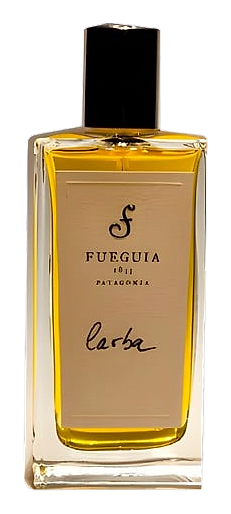
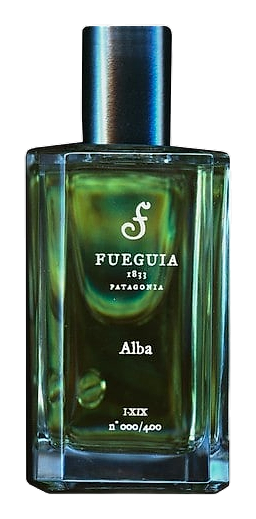
Alba launched in 2018 as part of Fueguia 1833's Destinos collection. Julian Bedel built the brand around the idea that fragrance should function as field notes, with each release drawing from a specific regional landscape and the botanicals native to it. With Alba, that destination is Scotland's northern terrain, where pine, bog myrtle, and heather share the same latitude. The name translates directly from the Latin word for white, but it also carries a secondary meaning tied to light, the pale wash that arrives before the sun crests a ridge. In Alba, Bedel attempts to capture that moment, when the air carries nothing but resin and damp earth. The approach is botanical in the literal sense. Three plants. One place. No embellishment.
What makes Alba structurally unusual is its restraint. Three notes form the entire composition: Scots pine in the opening, sweetgale (bog myrtle) at the heart, and heather anchoring the base. Bedel trusts three regional botanicals to carry the full arc from first spray to final drydown. Sweetgale is the wildcard. It's a shrub most people have never smelled, aromatic and faintly medicinal, with a green bitterness that sits somewhere between eucalyptus and sage. Pairing it with Scots pine and heather creates a profile that reads as cool, dry, and unmistakably northern.
The evolution
The first ten minutes belong entirely to Scots pine, sharp and resinous, with that cooling sensation mentholated conifers carry. It smells less like a Christmas tree and more like a living forest, sap still wet on the bark. Around the fifteen-minute mark, sweetgale arrives and shifts the mood. The sharpness rounds out into something warmer and slightly camphoraceous, like crushed bay leaves or the herb rack in a serious kitchen. This is the phase most people remember because it's the least expected. An hour in, the pine has retreated and heather takes over. It's not the purple floral sweetness of heather honey. It's drier, dustier, closer to the plant itself, dried sprigs and all. The heather phase can stretch for hours, pulling the scent close to the skin where it hums along quietly.
Cultural impact
Alba sits at the quieter end of the niche fragrance conversation. The composition is deliberately minimal, three botanical materials with no sweeteners, no synthetics added for lift or projection, no obvious hooks engineered for marketability. It's a fragrance that rewards close attention rather than crowd appeal. The wearer who connects with Alba tends to value atmosphere over impact, preferring a scent that whispers and stays close to the skin.
The House
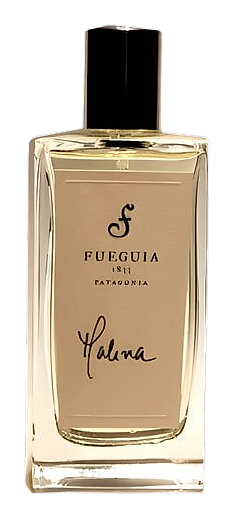
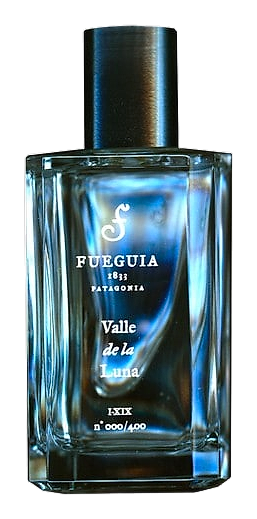
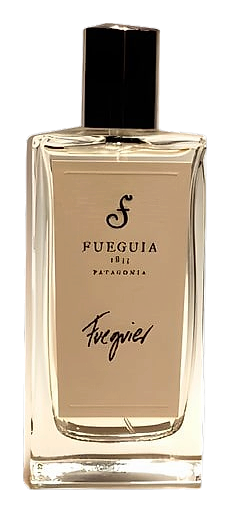
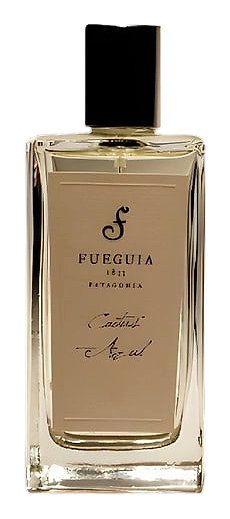
Fueguia 1833Fueguia 1833 is an Argentine fragrance house that creates limited‑edition scents rooted in the botanical heritage of Patagonia. Each perfume draws on medicinal plants harvested from the region’s wild landscapes, and the brand presents its creations as vintage‑style bottles that evoke a sense of travel and memory. The house operates a vertically integrated supply chain, growing, extracting and bottling its own raw materials, which allows it to maintain tight control over quality and environmental impact. Its collections, such as Rosa de los Vientos (2018) and Oud Jungle (2022), have attracted collectors who value authenticity and a narrative that links scent to place.
The Creator
Julian BedelJulian favors a palette that mixes rare South American botanicals with classic European absolutes. He often extracts essential oils from medicinal herbs such as catuaba, calafate and patagonian tea, then anchors them with ambergris, cedar and fine musks.